
Last updated November 25, 2026
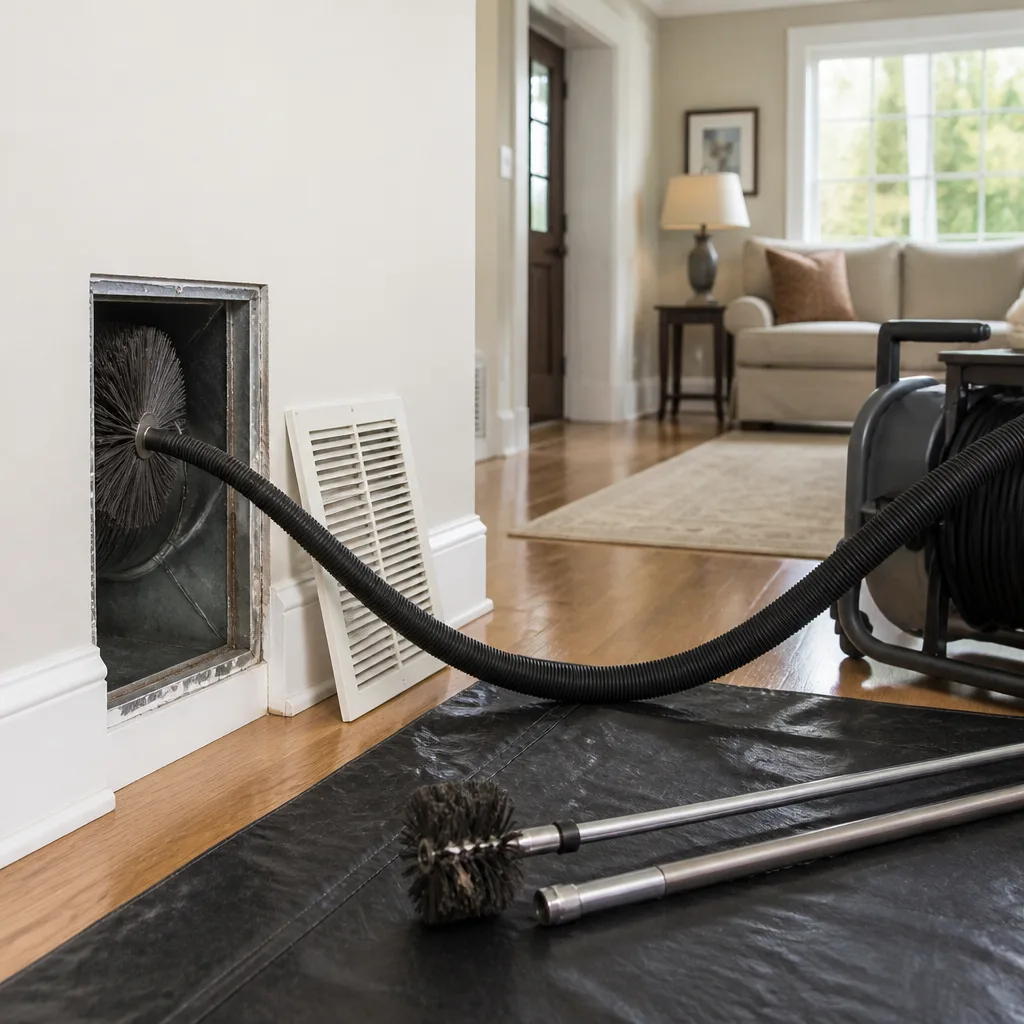 Whole-home duct cleaning
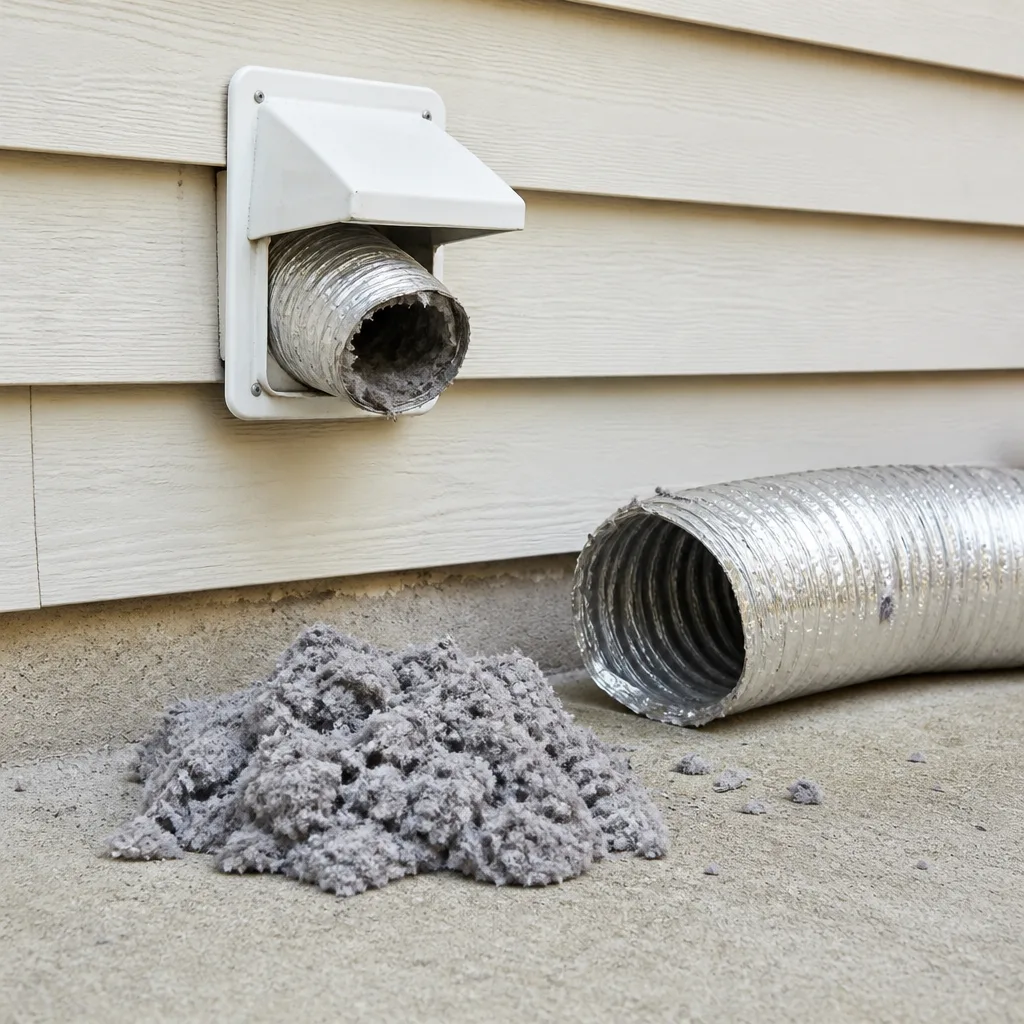 Dryer vent cleaning
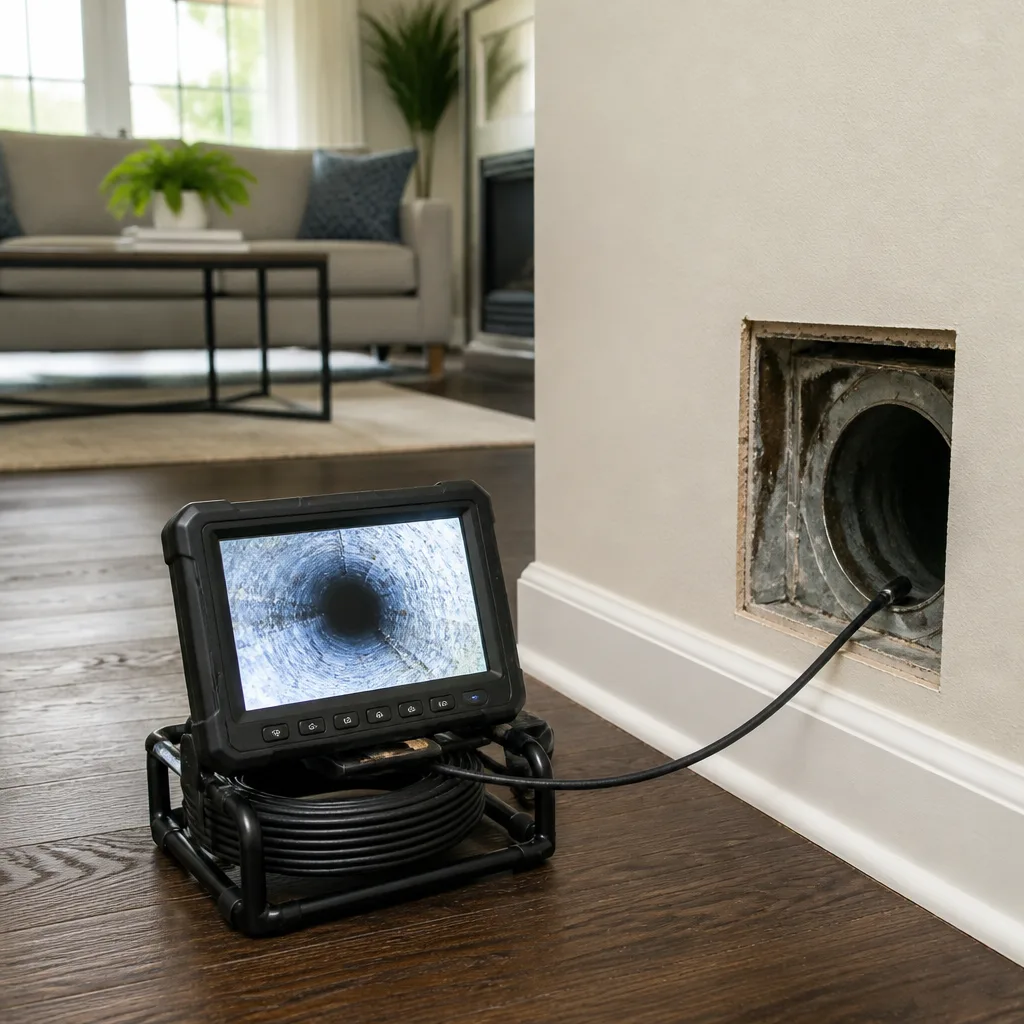 Camera inspection
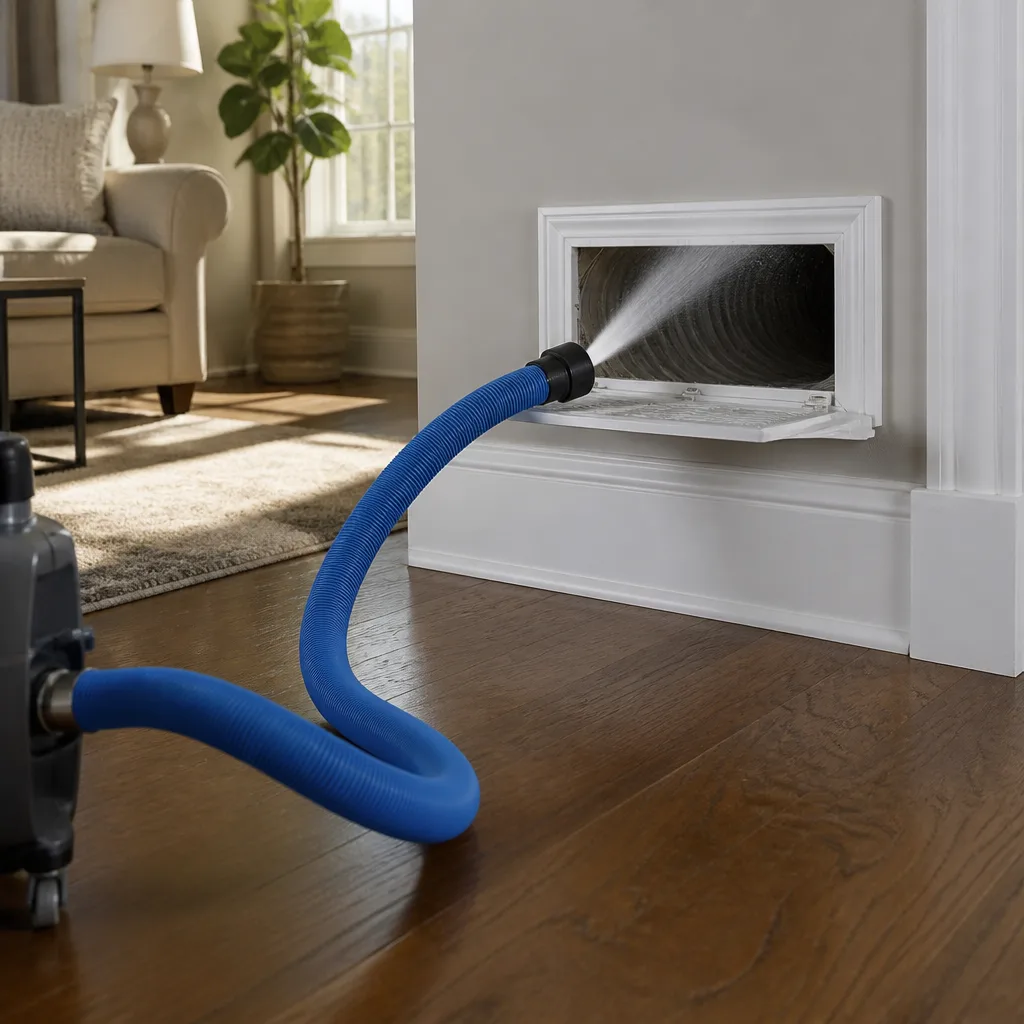 Sanitizing & deodorizing
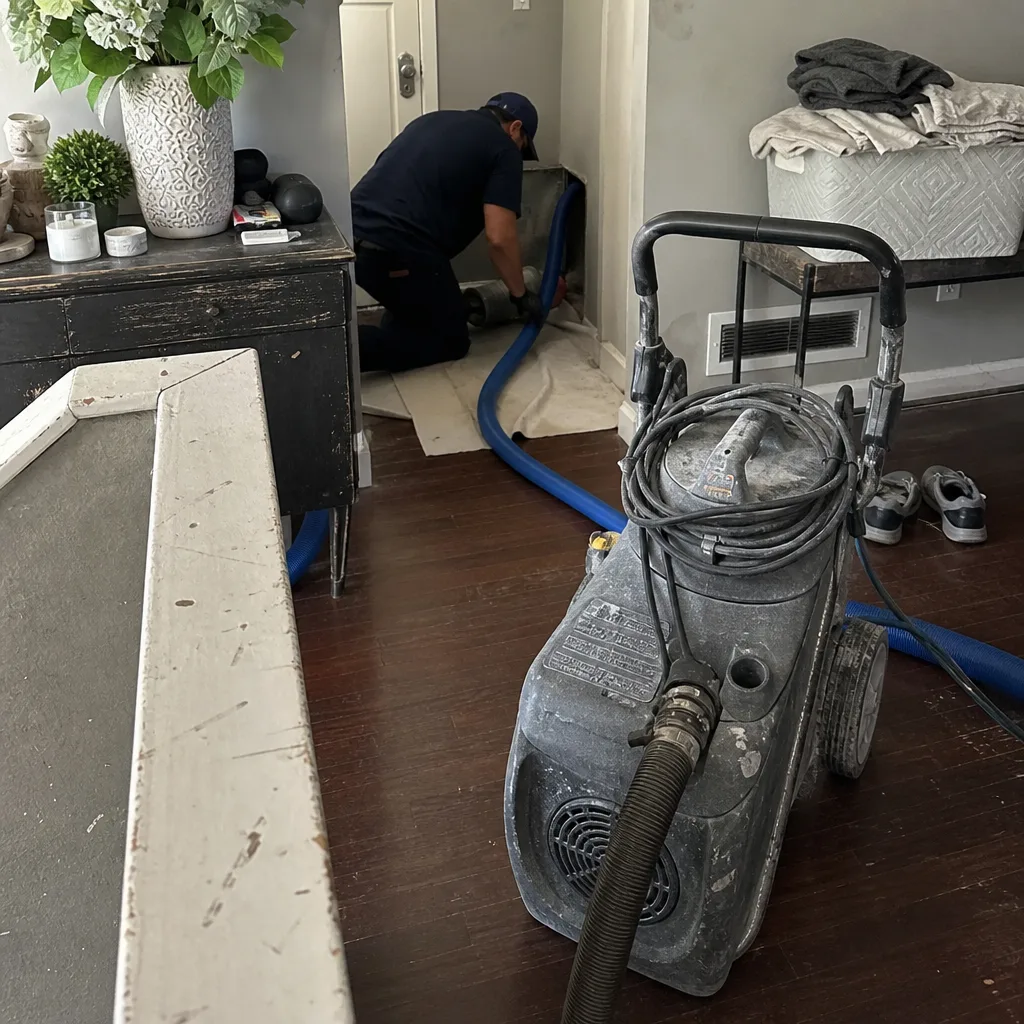
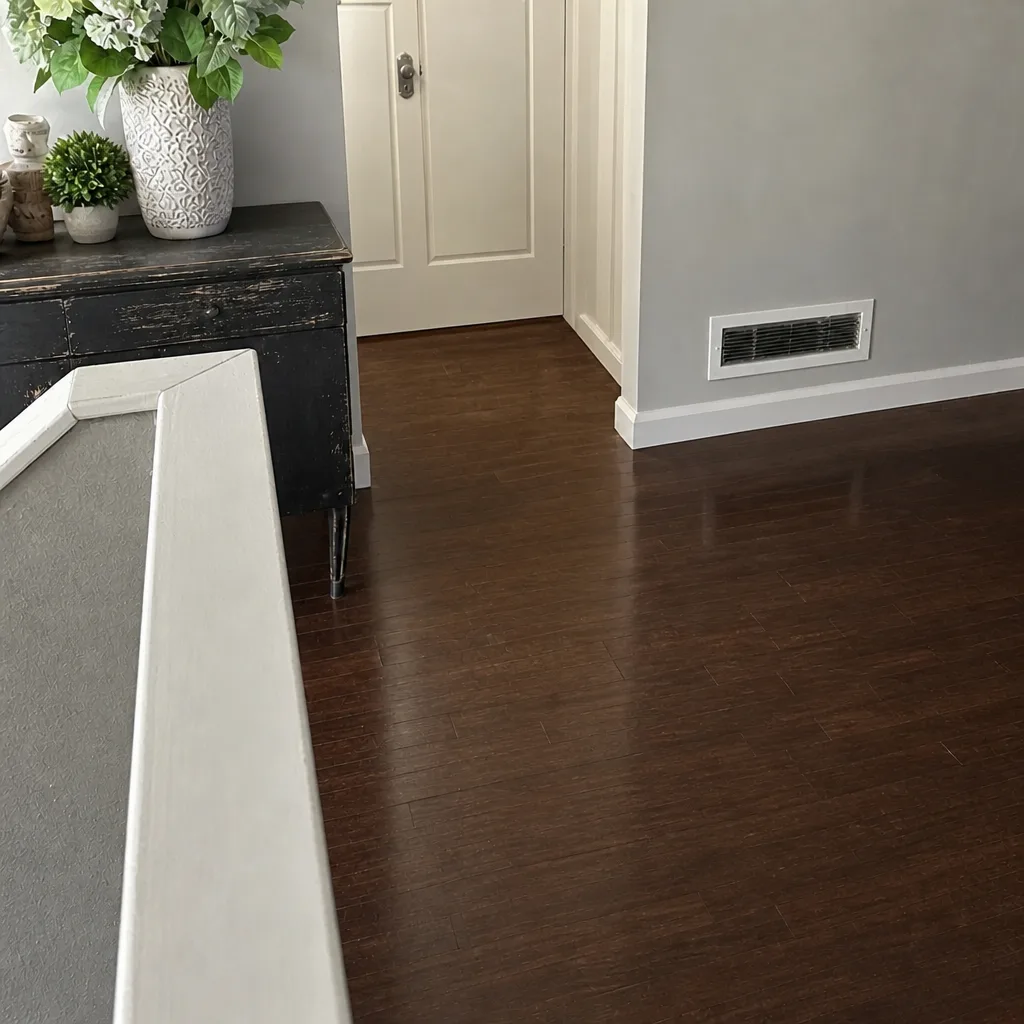
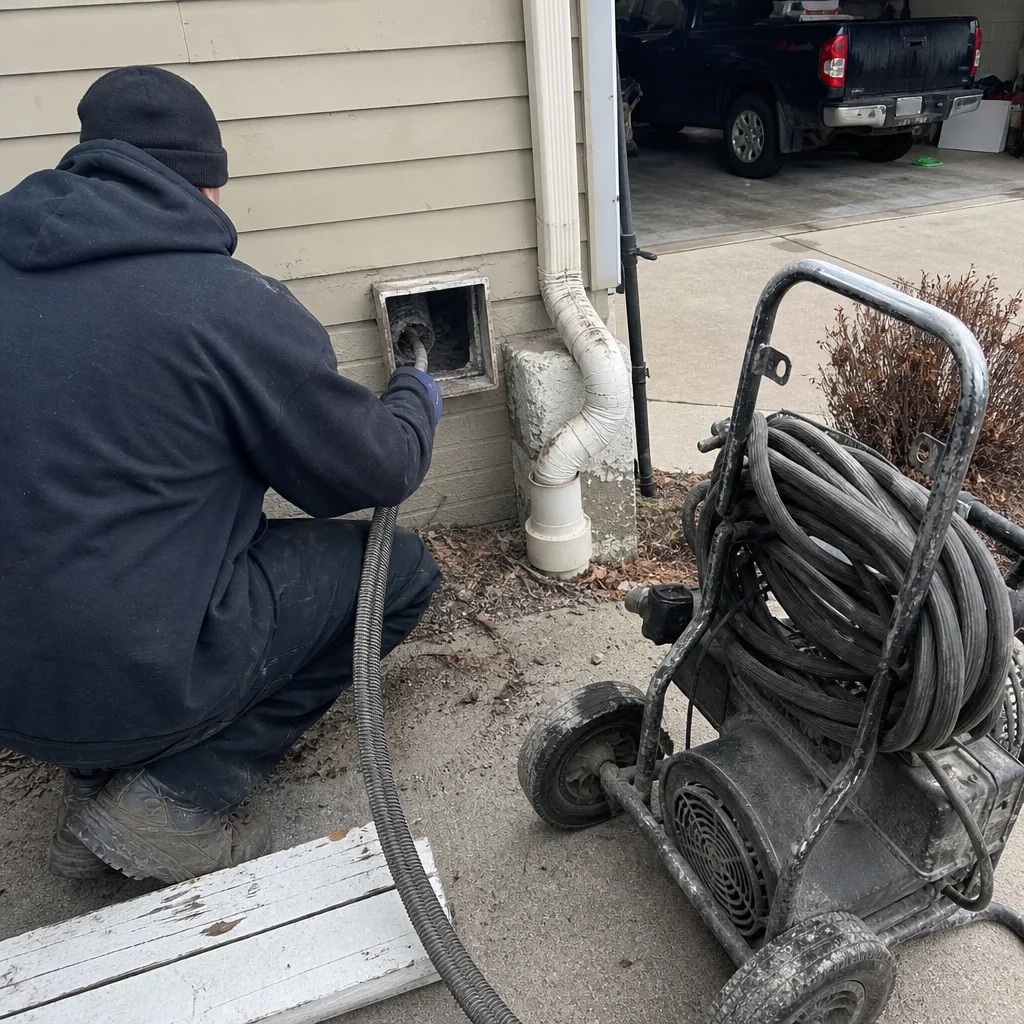
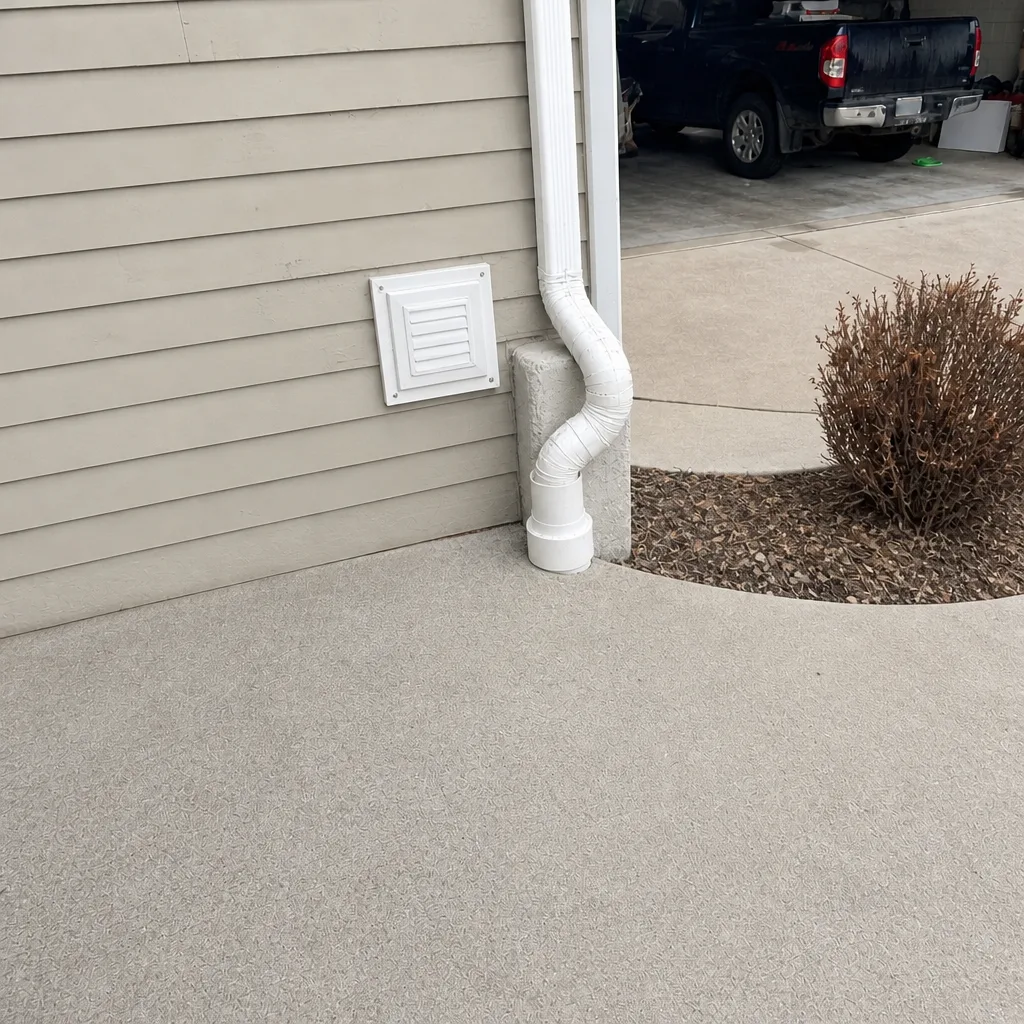
Whole-system duct and dryer vent check with before-and-after photos - you see exactly what came out of your vents
That "$99 whole-house special" is a bait ad - the real number appears once they are in your hallway, or the "clean" is a shop-vac at the register. We photograph the inside of your ducts before and after instead.
Air Duct Cleaning Emergency Preparedness Guide for Lakewood Homes
Most homeowners treat ductwork as passive – a set of pipes that moves air and nothing more. Then a wildfire smoke plume settles over the Front Range, a summer downpour pushes storm water into a crawlspace, or a sudden freeze cracks a flex duct connection, and the ducts become the thing that spreads the problem through the whole house. During the 2020 Colorado wildfire season, Front Range air quality hit hazardous AQI levels for days at a time, and every hour an HVAC system ran without a sealed or upgraded filter was loading ductwork with PM2.5 that doesn’t settle out on its own. This guide walks through Lakewood’s specific emergency risks and what to do before, during, and after each one – so you’re responding to an event instead of reacting to it.
Quick Answer
Lakewood’s three main ductwork emergencies are wildfire smoke events, flash flooding near drainage corridors, and rapid freeze-thaw cycles, and each one leaves contamination that ordinary vacuuming can’t remove. The right response is to shut the system down at the first sign of smoke or water intrusion, then bring in professional-grade contact cleaning and negative-pressure extraction once the event passes. Sealed, upgraded filters before the event and a documented inspection after it are what keep contaminated air out of your living space and support any insurance claim.
Styles & brands we work with
- Whole-home duct cleaning
- Dryer vent cleaning
- Camera inspection
- Sanitizing & deodorizing
Table of Contents
- Wildfire Smoke: The Pre-Event Protocol
- Post-Flood Duct Response and the 48-Hour Mold Window
- Freeze-Event Damage Patterns and What to Inspect
- Documentation for Insurance Claims
- Choosing a Contractor Before an Emergency
- The Recovery Sequence: What Professional Remediation Involves
- Common Mistakes to Avoid
- When to Call a Professional
- Frequently Asked Questions
Wildfire Smoke: The Pre-Event Protocol
Wildfire smoke is the most common air-quality emergency on the Front Range, and it’s also the one homeowners can prepare for best. When a smoke event is forecast, the question isn’t just “should I run the AC?” It’s whether your ductwork and filter setup can actually reject the fine particles a smoke plume carries. If the answer is no, running the system makes things worse by pulling contaminated air into ducts that then hold it.
The workable protocol breaks into three decisions.
- Set your shutdown threshold before the event. Use the AQI readings your phone already delivers and pick a number in advance. When the reading climbs past that threshold and you can smell smoke indoors, switch the system to fan-only or off entirely and close windows. The point of deciding ahead is that you’re not making the call in a haze.
- Upgrade filters temporarily, not permanently. A high-MERV filter catches far more smoke particulate than a standard fiberglass filter, but a restrictive filter can also strain a blower designed for a lower pressure drop. If your system’s filter grille is sized for a light filter, use a moderate upgrade during the event and have your ducts and blower inspected afterward. Install a properly sized high-MERV filter only if your equipment manual supports it.
- Decide whether to run or seal. A system with tightly sealed return ducts and a good filter can run and actually help by recirculating and filtering indoor air. A system with leaky return ductwork in an attic or garage will pull smoke directly into the supply air. If you don’t know the condition of your returns, sealing the house and running a standalone HEPA unit in one room is the safer choice during a heavy event.
After a smoke event, ventilation and cleaning matter more than filtration. Smoke particulate settles on duct walls, register grilles, and the evaporator coil, and it doesn’t come out with a shop vac. Professional air duct cleaning uses contact agitation and negative-pressure extraction to pull that layer out instead of blowing it back into the room.
Post-Flood Duct Response and the 48-Hour Mold Window
Any moisture that reaches ductwork starts a countdown. Wet insulation lining and dust become a food source, and in Lakewood’s climate – warm enough in summer for fast growth – visible mold can show up on duct surfaces within 24 to 48 hours of a water event. Storm water near Lakewood’s drainage corridors, a burst supply line, or a backed-up condensate drain can all put water where ducts run through basements and crawlspaces. The contamination risk isn’t just the mold itself; it’s that the HVAC system then distributes spores through every room.
What professional remediation of wet ductwork actually involves:
- Cutting the system off immediately and documenting the water intrusion with photos before anything is moved.
- Checking every accessible run for standing water, wet insulation, and rusted or water-stained joints.
- Determining which sections can be dried in place and which must come out. Porous duct board and wet flex duct are typically removed and replaced rather than dried.
- Contact cleaning with a Rotobrush system to agitate and extract debris from surfaces that stay in service.
- Negative-pressure containment with Nikro equipment so dislodged material is captured, not circulated.
- Antimicrobial treatment through our HVAC cleaning service once the ductwork is dry and verified clean.
- Verification – a moisture reading and a visual check before the system goes back online.
What you should not do is run the system “to dry it out.” Airflow through wet ducts spreads contamination to the rest of the house and pushes moisture deeper into insulation.
Freeze-Event Damage Patterns and What to Inspect
Lakewood sits in a freeze-thaw corridor where temperatures can swing hard in a single week. That cycle stresses ductwork in two places: flex duct connections at boots and plenum junctions, and the duct transitions that run through unconditioned attics and garages where condensation forms, freezes, and thaws repeatedly. The common failure is a separated flex duct collar that looks intact from the register but has come loose behind the drywall, dumping conditioned air into an attic or crawlspace instead of the room.
Before restarting your system after a cold snap, inspect these points:
- Open every accessible register and look for the collar. A visible gap, a torn boot, or a disconnected run means the duct needs repair before the heat runs.
- Look at your energy bill and your room temperatures. A room that’s suddenly colder than the rest is a duct-separation symptom, not a furnace problem.
- Check the attic and crawlspace for condensation stains on the duct exterior and for ice buildup at joints, both of which indicate leakage.
- Smell the first run of warm air. A musty or dusty smell indicates that dust or moisture has collected in ducts that were idle.
Duct Repair & Sealing addresses this failure directly. We mastic-seal or replace compromised flex runs and seal leaking joints – a step most duct-cleaning companies don’t offer at all, because cleaning around a broken duct just re-dirties it on the next cycle. Your HVAC system is only as clean as the ducts it breathes through.
Documentation for Insurance Claims
Insurance adjusters need evidence, not descriptions. If a wildfire smoke event, flood, or freeze causes duct or HVAC damage, the difference between a covered claim and a denied one is often in the paper trail you kept. Collect these items within days of the event, before cleanup begins where possible:
- Photos and video of the intrusion itself: waterlines, smoke staining, severed duct connections, or visible mold, with something in frame that shows scale and location.
- The AQI reading and the date for smoke events, screenshotted from a reputable source.
- A written summary from your HVAC contractor describing observed damage and the recommended remediation, signed and dated.
- The pre-event baseline: your last duct-cleaning or inspection report, filter purchases, and any prior photos of the ductwork.
- The estimate and the final invoice for the remediation work, itemized by service.
Insurance adjusters respond well to a contractor report that names the brands and systems used, because it proves the work was performed at a professional standard. A report that says “cleaned the ducts” is far weaker than one that specifies Rotobrush contact cleaning, Nikro negative-pressure extraction, and Abatement Technologies air-filtration units deployed during the job. We can work with your insurer on the documentation side; we don’t bill them directly.
Choosing a Contractor Before an Emergency
In an emergency, everyone calls at once. The contractors with established customer relationships get scheduled first; the rest wait. Establishing a relationship with a qualified duct and HVAC contractor before a wildfire season or flood event is the highest-leverage thing you can do for your home’s readiness. The right time to vet a contractor is when the air is clear, not when it’s brown.
What to ask when you’re vetting:
- Which equipment do you use, by brand and model type? A serious answer will name specific systems, not “professional equipment.”
- Do you repair and seal ductwork as well as clean it? Duct-cleaning-only companies leave the root cause of contamination in place.
- Do you deploy HEPA-filtration containment during the job, and which brand?
- How do you document the before-and-after condition of the system for my records?
- Can I see photos of a previous job’s before-and-after? (Insist on your own job’s photos being provided afterward.)
Air Duct Cleaning Lakewood Pros uses professional-grade equipment from Rotobrush, Nikro, Abatement Technologies, Honeywell, and Aprilaire. That equipment list is proof of seriousness, not a marketing claim – contact cleaning and negative-pressure systems are what separate a real remediation job from an oversized shop vac. We also handle dryer vent cleaning, which matters because a dryer vent clog is one of the leading causes of home fires and the same fire-safety discipline applies to your emergency plan.
The Recovery Sequence: What Professional Remediation Involves
Once an event has passed, the recovery work follows a sequence for a reason. Skipping a step doesn’t just waste the work; it can re-contaminate a house that was just cleaned. This is the sequence we run on every emergency recovery job.
- Inspection and diagnosis. Before any cleaning, we walk the system – supply, return, and any flex duct in attics, garages, and crawlspaces – to find the source of contamination and any failed sections.
- Containment. Abatement Technologies air-filtration units are set up in the work area to capture dislodged particulate so it doesn’t re-enter living spaces. Negative pressure keeps the work zone separated from the rest of the house.
- Contact cleaning. Rotobrush equipment physically agitates the duct walls and extracts the loosened debris. This is the step that actually removes adhered smoke residue, settled dust, and biological growth – the same cleaning method certified HVAC contractors use nationwide.
- Repair and sealing. Any separated or damaged duct found in step one is repaired and sealed. Cleaning a duct and then leaving a hole in the system puts the debris back in circulation.
- Sanitizing. Air Quality & Sanitizing targets microbial growth and odor at the source, using products from Honeywell and Aprilaire. Sanitizing is not a substitute for cleaning – it’s the final step after the ductwork is clean and dry.
- Verification and documentation. We photo-document the before and after, note what was sealed or replaced, and hand over a report you can keep for your records or provide to an adjuster.
Five distinct service categories – cleaning, dryer vents, HVAC, repair and sealing, and sanitizing – mean a single visit can address multiple issues. After a compound event (flood plus smoke, for instance), that matters.
Common Mistakes to Avoid
- Running the system to “clear out” smoke. If your return ductwork leaks, running the system pulls outdoor smoke in rather than filtering it out. Seal the house and check your returns first.
- Dry-vacuuming wet ducts. A shop vac on water-saturated duct board just spreads mold spores and shreds fragile material. Cut the system off and get professional containment.
- Skipping the seal. Cleaning a duct with a separated flex collar and calling it done means the next cycle loads it up again. Repair and sealing are the root-cause fix.
- Assuming the visible register tells the story. Most duct failures happen behind drywall, in attics, and in crawlspaces where the collar has come loose and nothing at the grille looks wrong.
- Doing the work before documenting. Insurance adjusters want photos, dates, and a contractor report. Clean first and you may have lost your evidence.
- Cheap bids from unequipped crews. A crew with a shop vac and a promise is not the same as one with Rotobrush contact-cleaning and Nikro negative-pressure equipment. The cheap bid usually becomes the expensive one because the root cause is never fixed.
- Ignoring the dryer vent. Fire-safety and air-quality risk run through the same house. If the ducts get a post-event inspection, the dryer vent should get one too.
When to Call a Professional
Call a professional after any of the following: visible water intrusion into ductwork or a crawlspace where ducts run, a smoke event that lasted multiple days while the HVAC system was running, a freeze that left a room chronically under-heated or a duct visibly separated, a musty or smoke smell that returns within days of your own cleaning attempt, or a visible mold growth on a register grille. In each case, the problem isn’t just the contamination visible at the vent; it’s what’s settled throughout the system. Air Duct Cleaning Lakewood Pros offers free estimates in Lakewood – call (844) 625-7378. We answer 24/7. Fast dispatch from 7am to 7pm, Sunday through Friday. The local pro is licensed and insured as their state requires.
Frequently Asked Questions
You should schedule professional cleaning within one to two weeks of the event, especially if the AQI was hazardous for multiple days while your system was running. Smoke particulate settles into duct insulation and on the evaporator coil and won’t clear through normal filtration. Call (844) 625-7378 for a free estimate; we answer 24/7 and dispatch from 7am to 7pm, Sunday through Friday.
It can, if your return ductwork is leaky or runs through an attic or garage. Running the system pulls smoke into those returns, which then distributes it to the living space. If your returns are sealed and your filter is properly sized, running the fan can actually help by recirculating filtered indoor air. Check the return condition first or have it inspected.
Visible mold can appear on duct surfaces within 24 to 48 hours of moisture intrusion in warm weather. The faster you cut the system off and get professional remediation, the more of the ductwork typically survives. Waiting to “see if it dries out” is the most common mistake we see on flood-related jobs.
Usually both. Freeze-thaw cycles in Lakewood most often cause flex duct collars to separate at boots and plenum junctions, which means debris can re-enter the ducts even after cleaning. Contact cleaning with extraction plus repair and sealing is the combination that actually fixes the system.
Coverage depends on your policy and on the cause of the damage, so review your policy or ask your adjuster. What we can do is document the job thoroughly – photos, equipment used, written report – so you have the evidence an adjuster needs. We can work with your insurer on the paperwork side; we don’t bill them directly.
Get an inspection and cleaning before the season starts, upgrade your filter only if your equipment manual supports the higher MERV rating, and seal any leaking return ductwork. A system with tight returns and a properly sized filter contributes to indoor air quality during smoke events instead of working against it. Call (844) 625-7378 for a free estimate – the right time to prepare is when the air is clear.
The Bottom Line
Lakewood’s emergencies are predictable even when their timing isn’t: wildfire smoke on the Front Range, summer storm water near drainage corridors, and hard freeze-thaw cycles. Each one loads ductwork with contamination that ordinary cleaning can’t remove. The response that actually works is the same each time – shut the system down at the first sign of smoke, water, or a separated duct; upgrade and seal what you can before the event; document everything for insurance; and bring in professional-grade contact cleaning, negative-pressure extraction, and repair and sealing afterward. The relationship you build with a qualified contractor before the emergency is what lets recovery start on day one. Call (844) 625-7378 for a free estimate. We answer 24/7. Fast dispatch from 7am to 7pm, Sunday through Friday. For a full picture of our services, start at Air Duct Cleaning Lakewood Pros.
Written by the team at Air Duct Cleaning Lakewood Pros.
See the difference
 Before
 After
 Before
 After
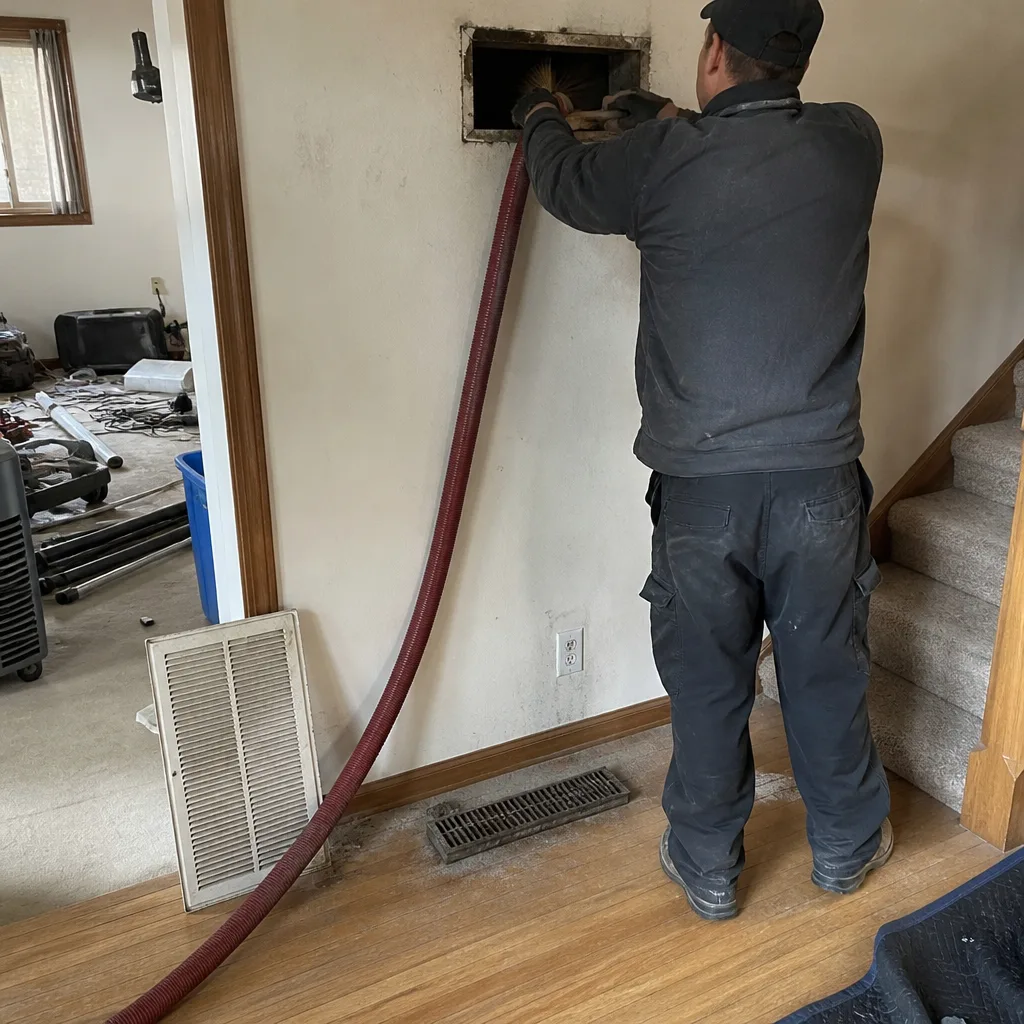 Before
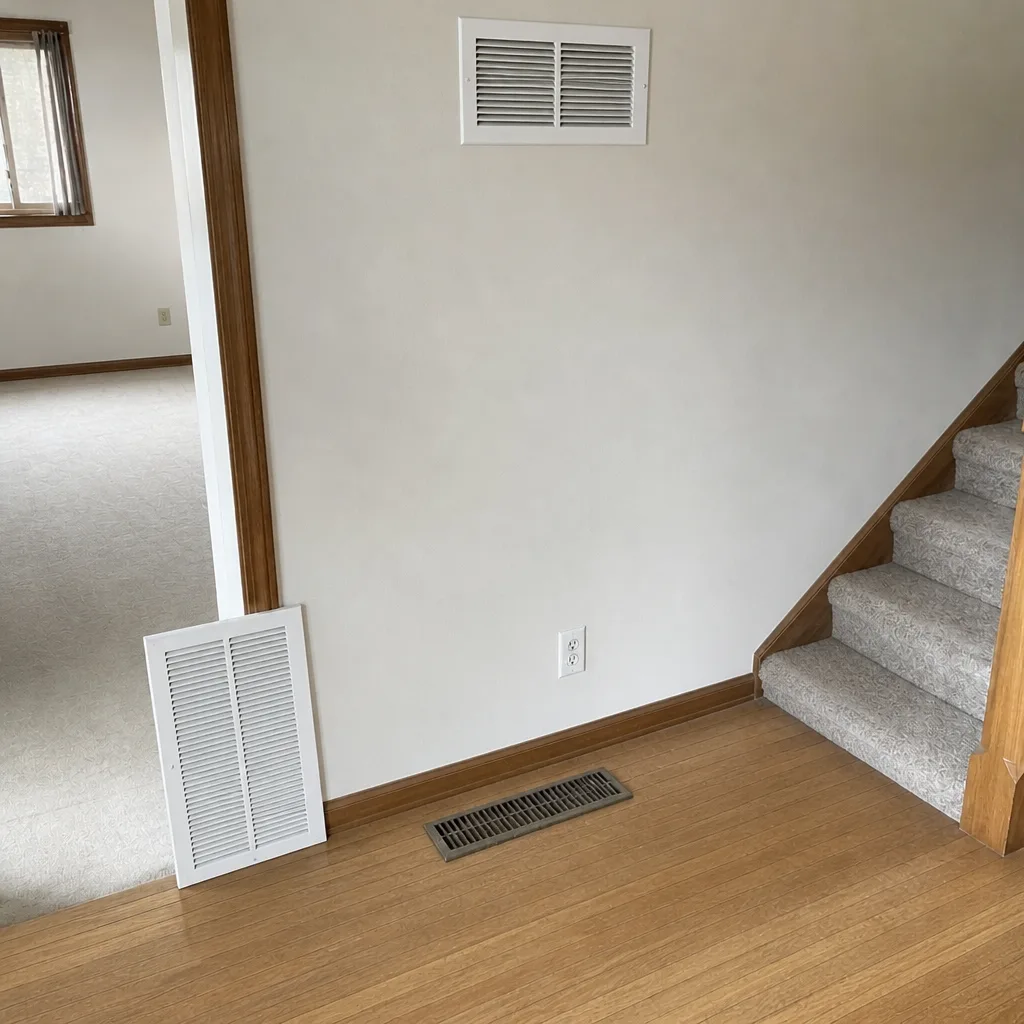 After