
Last updated November 25, 2026
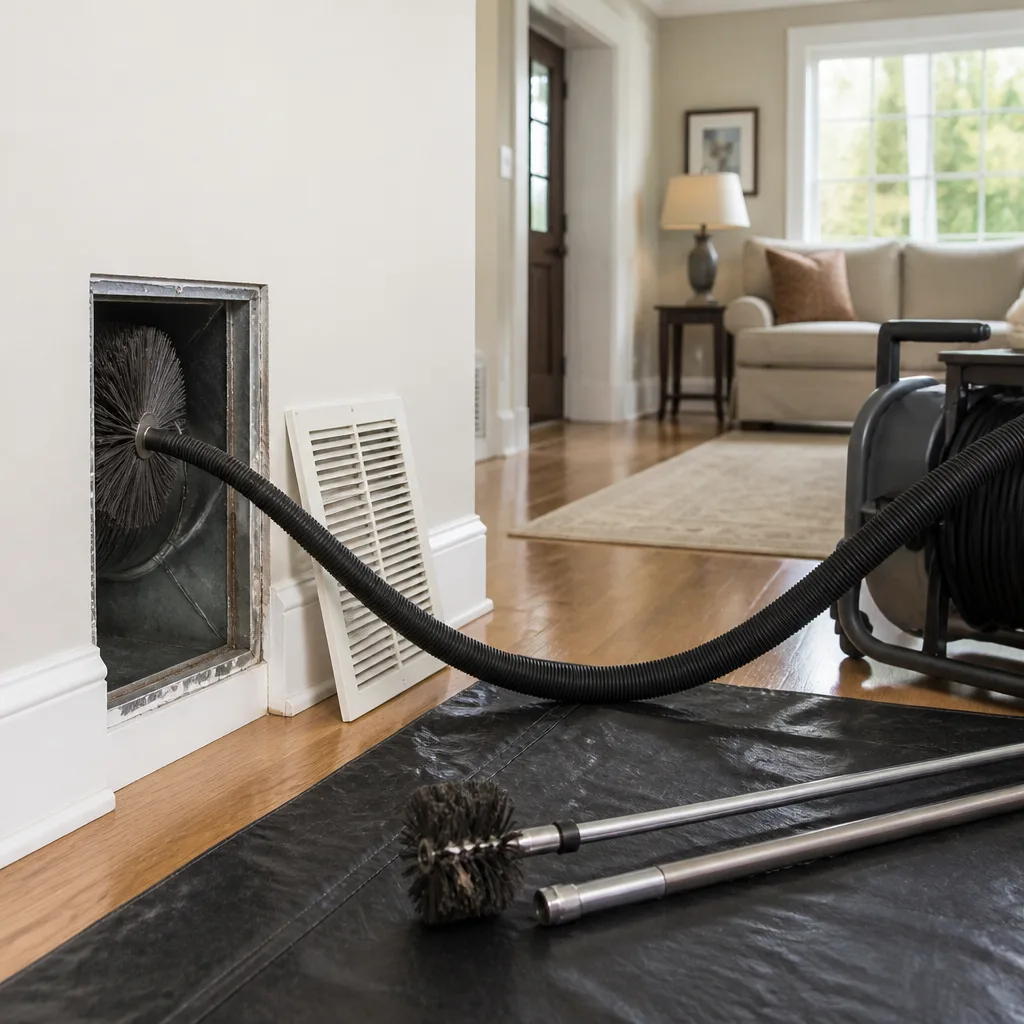 Whole-home duct cleaning
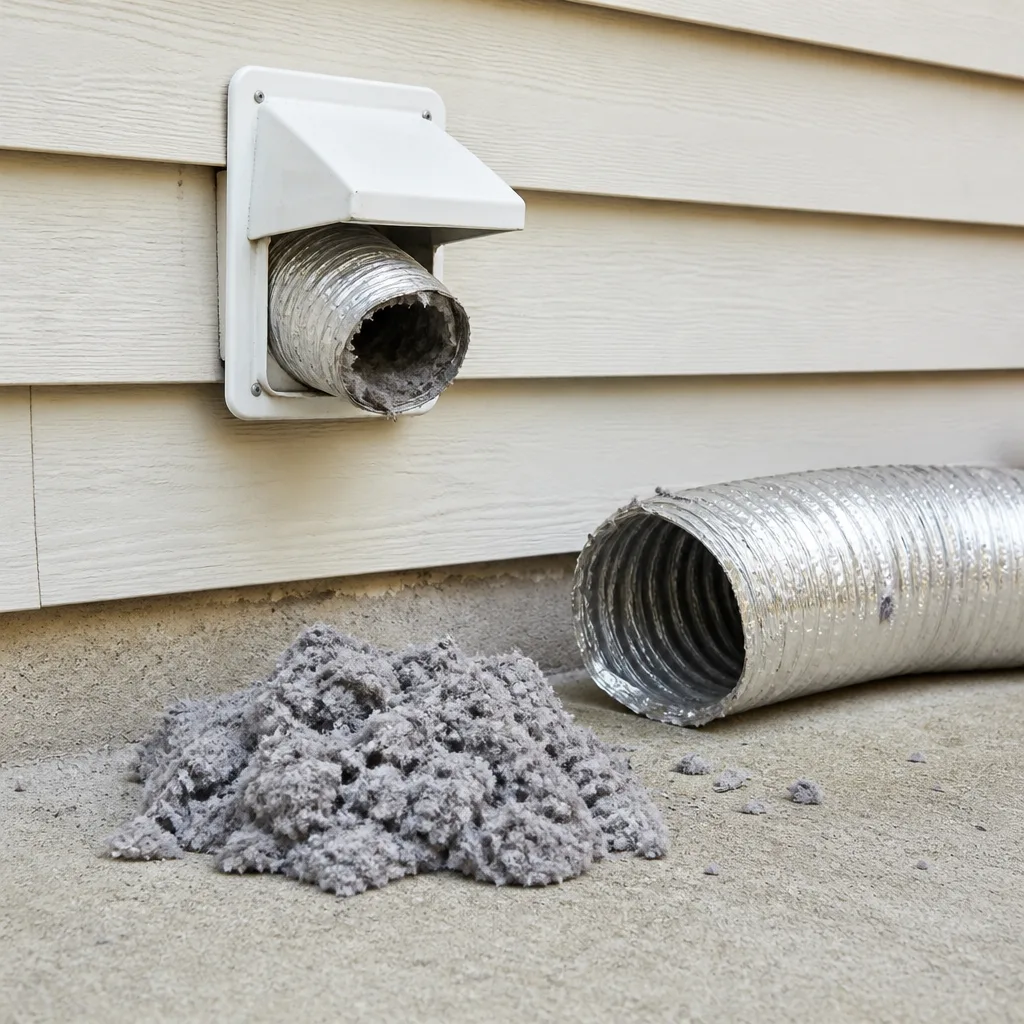 Dryer vent cleaning
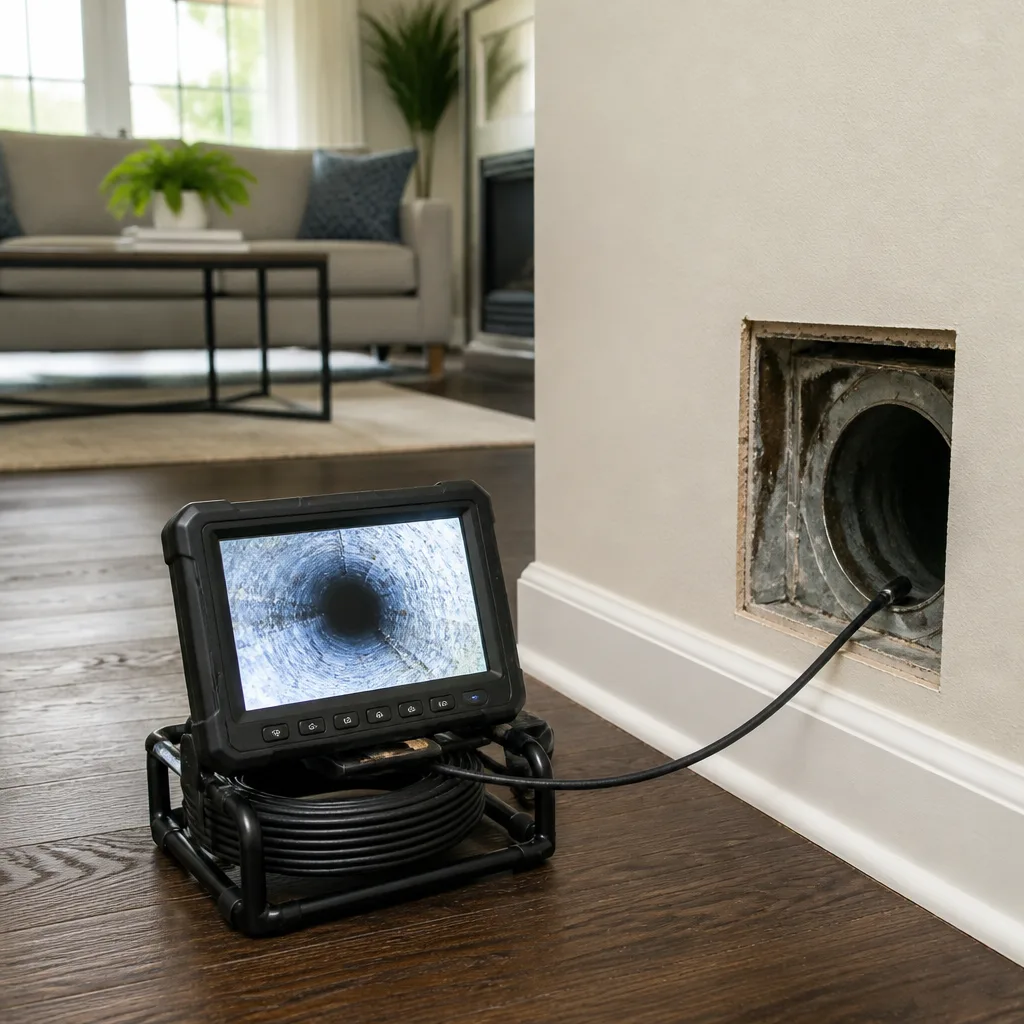 Camera inspection
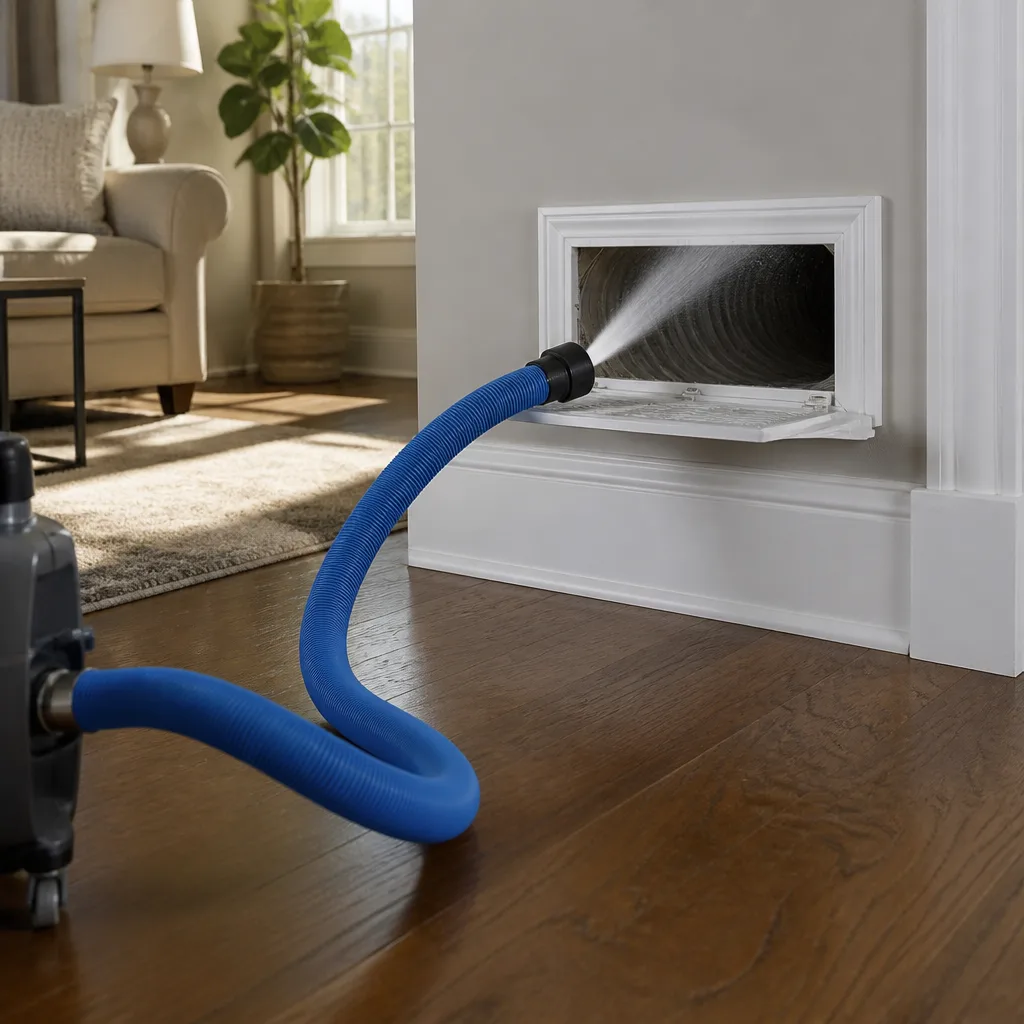 Sanitizing & deodorizing
Whole-system duct and dryer vent check with before-and-after photos - you see exactly what came out of your vents
That "$99 whole-house special" is a bait ad - the real number appears once they are in your hallway, or the "clean" is a shop-vac at the register. We photograph the inside of your ducts before and after instead.
Seasonal Air Duct Cleaning Care for Lakewood: Year-Round Homeowner’s Guide
Lakewood gets more than 300 days of sunshine a year. That sounds like a gift until you notice what comes with it: long stretches of dry air, spring chinook winds that barrel off the Front Range, and dust that never quite settles. Most duct cleaning advice you’ll read says “every two to three years, done.” That advice was written for a place with one climate, not a city that moves through four very different seasons. Your ducts don’t see the same season twice in a year, and they shouldn’t be treated the same in January as they are in July. In this guide, we’ll walk through what each Lakewood season actually does to the inside of your ductwork, which tasks you can handle yourself, and when it’s worth a professional visit.
Quick Answer
In Lakewood, seasonal duct care means four targeted checkpoints rather than a blanket “every two years” rule: inspect after spring snowmelt, monitor filtration through summer wildfire events, book a pre-heating-season inspection in the fall, and watch for static and dry-air effects in winter. A professional cleaning is worth scheduling whenever you see visible dust at supply registers, smell mustiness when the system kicks on, or notice allergy symptoms that track with your HVAC cycle. Between visits, monthly DIY monitoring and filter changes keep things steady.
Styles & brands we work with
- Whole-home duct cleaning
- Dryer vent cleaning
- Camera inspection
- Sanitizing & deodorizing
Table of Contents
- Why Lakewood’s Climate Hits Ductwork Differently
- Spring: Post-Winter Inspection and the Mold Window
- Summer: Wildfire Smoke and Fine Particulate
- Fall: The Pre-Heating-Season Walkthrough
- Winter: Dry Air, Static, and Particle Bonding
- Month-by-Month Care Calendar
- What Professional Cleaning Actually Involves
- Common Mistakes to Avoid
- When to Call a Professional
Why Lakewood’s Climate Hits Ductwork Differently
Lakewood sits at roughly a mile high along the western edge of the Denver metro, tucked against the foothills. That elevation and position create a specific combination of conditions your HVAC system has to keep up with. The air is thinner and drier for most of the year. Foothill wind events push fine grit and pollen into return air. Snowmelt in early spring drives moisture against foundations and into crawl spaces. And when wildfire smoke rolls in from the mountains or the Front Range, it doesn’t politely wait at your HVAC filter.
Those conditions matter because your ductwork is a giant air channel that runs through the unconditioned parts of your home. Whatever is happening outside eventually shows up inside the ducts as dust, spores, fine ash, or static-bound particulate. The system works in cycles, so contamination accumulates in patterns tied to the heating and cooling season. A duct network in Lakewood accumulates differently than one in a coastal city or a humid southern town, and that’s the whole reason a seasonal approach beats generic advice.
Your HVAC system is only as clean as the ducts it breathes through. When the ducts get loaded, the blower works harder, the furnace runs longer, and the filter you change every month still can’t keep up with the debris that’s already inside. That’s why we structure our work around the Lakewood year rather than a fixed calendar interval.
Spring: Post-Winter Inspection and the Mold Window
Early spring is the highest-risk window for mold spore introduction in Lakewood ducts. Here’s why: the furnace has been running hard for months, pulling dry indoor air through the system and depositing fine dust on duct walls and around the blower housing. Then snowmelt arrives, raising moisture in the lower levels of the house, crawl spaces, and any duct run that passes through a cooler zone. Warm days and cool nights create condensation cycles inside and outside the ductwork. That combination – dust plus moisture plus rising temperatures – is exactly what spores need to get a foothold.
Spring is also when chinook winds peak. Those downslope wind events kick up fine particulate from open ground and rooftops, and a lot of it gets pulled straight into the return system. A home that was reasonably clean in January can be noticeably loaded by April.
What to inspect after snowmelt:
- Visible dust clinging to supply and return register grilles; if that film wipes off on a finger, the ducts behind it are likely loaded.
- Musty or damp smell when the system first kicks on for cooling – a sign moisture has gotten where it shouldn’t.
- Condensation on duct runs in unconditioned spaces like the crawl space or garage ceiling.
- Water staining near foundation vents, sill plates, and return air chases.
- Filter housings that show dust bypassing the filter edges – a quiet sign of duct leakage.
If spring reveals moisture and musty odor, cleaning alone won’t fix it. This is where Air Duct Cleaning Lakewood Pros starts with diagnostics: we check for the source, for compromised duct sections, and for growth that needs sanitizing rather than just vacuuming.
Summer: Wildfire Smoke and Fine Particulate
Wildfire smoke events along the Front Range have become a recurring summer and early-fall issue, and standard 1-inch HVAC filters are not built to capture ultrafine PM2.5. Those particles are small enough to pass straight through the filter media, ride through the blower, and settle onto duct walls where they bond over time. A single smoke event doesn’t ruin your ductwork. A season’s worth, layered on top of spring dust, absolutely loads it.
Most homeowners notice the signs: a faint smoky or ashy smell when the AC first starts, increased dust accumulation on furniture near supply vents, or allergy-type symptoms that flare on smoky days and settle when the system is off. Those symptoms are the tell – the HVAC cycle is moving contamination around, not removing it.
At-home steps during smoke season:
- Run the HVAC on “fan” mode with the system off only when outdoor air quality is good; keep it running through the smoke to keep filtration active and the ducts at positive pressure with windows closed.
- Check and change the filter more often during smoke events – a loaded filter stops filtering and starts restricting airflow.
- Keep return air pathways clear, including grille covers you might have blocked with furniture or rugs.
- Avoid running a whole-house fan or bathroom fans during smoke events; they pull outdoor air in.
- Log the smoke days you notice on your system; that log is real information for a professional visit.
When smoke events stack up, professional cleaning with negative-pressure equipment is the practical reset. We use Nikro negative-pressure systems that capture dislodged particulate at the source rather than blowing it into living space – the same methodology recommended for professional duct cleaning work nationally.
Fall: The Pre-Heating-Season Walkthrough
Fall is the smartest time to book a duct assessment in Lakewood, and not because the ducts are any dirtier then. It’s because the furnace is about to run continuously for four months. Any contamination sitting in the ducts now gets pushed through the home, cycled back into the return, and re-deposited all winter. A pre-heating-season inspection catches that before it becomes a season-long problem.
What a fall walkthrough should cover:
- Blower compartment inspection. The blower housing collects dust on the blades and around the motor; if it’s coated, airflow is being restricted before the air ever reaches the filter. This is one of the checks most duct cleaners skip.
- Duct connection checks. Fall is when compromised joints and taped seams in unconditioned space become obvious – you can often feel the leak on a cool morning when the furnace runs.
- Register and return grille condition. Grille screws loosen, gaskets compress, and return chases develop gaps that let attic or crawl-space air into the airstream.
- Filter grade review. If you’re running a low-MERV filter and the household has allergy or asthma concerns, review whether a slightly higher grade is worth the added restriction on your blower. Your system’s specifications matter here.
- Dryer vent check. Fall is also when we recommend a lint-vent inspection, since the dryer will run more in colder months. dryer vent cleaning isn’t optional maintenance – it’s a fire-safety service.
A good fall walkthrough produces a plan, not a sales pitch. If the ducts are fine, we tell you. If they’re loaded, you’ll see before-and-after photos of your own ducts.
Winter: Dry Air, Static, and Particle Bonding
Winter at Lakewood’s elevation brings some of the driest indoor air in the country. Relative humidity indoors regularly drops below comfortable levels when the furnace is running continuously. That dryness does something specific to ductwork: it amplifies static charge. Duct walls develop a static field, and fine particulate – skin cells, dust, fabric fibers, ash residue from summer – sticks to the duct walls instead of staying airborne. Once bonded, that layer doesn’t dislodge with normal airflow. It accumulates season after season.
Most homeowners notice winter duct problems as a kind of vague fatigue: dust returns within a day of cleaning, the house smells faintly stale in the morning, or the furnace runs more than it used to. Those aren’t necessarily causes for alarm. But they’re a signal the ducts are holding onto more than they should.
Winter steps worth taking:
- Use a whole-home humidifier if one is installed; keeping indoor humidity in a moderate range reduces static in the ducts.
- Keep filter changes on schedule – every 30 to 60 days depending on household dust load.
- Run the system fan on low continuously to keep air moving and reduce dead zones where static bonds particles.
- Inspect the return grille nearest the floor: that’s where heavy particulate collects first.
If the ducts are visibly loaded at the registers, winter is still a reasonable time to clean – contact cleaning with a Rotobrush system physically agitates debris off the duct walls rather than relying on airflow to lift already-bonded material. We use Abatement Technologies air-filtration units on-site during winter work to keep dislodged particulates contained while we’re there.
Month-by-Month Care Calendar
Here’s the practical version of everything above, broken into a repeatable calendar that separates what you can handle yourself from what calls for a professional. This is built for Lakewood weather patterns specifically.
DIY monitoring tasks (monthly, every year)
- Filter check. Every 30 days during heating and cooling season, every 60 days in mild months. Replace when visibly loaded or when a light shake produces a dust cloud.
- Register wipe test. Wipe the inside of one supply register with a white paper towel; keep the towel and compare month to month. If the towel gets noticeably darker each month, schedule an assessment.
- Smell test on startup. If you notice musty, smoky, or dusty smell on the first few minutes the furnace or AC runs, log it. That’s the ductwork telling you something.
- Grille and vent clearance. Make sure no rugs, furniture, or stored items block returns; a blocked return puts added load on the blower and pushes more contamination through the rest of the system.
Seasonal professional triggers
- March – April: Post-snowmelt inspection. Book if you saw condensation, musty odor, or any water intrusion into duct-adjacent space.
- June – September: Monitor smoke events. Book if two or more significant smoke events hit your neighborhood or if the register-wipe test darkens noticeably.
- October: Pre-heating-season blower compartment and connection inspection. The best single visit of the year.
- December – February: Address static-bonded dust if winter register dust reappears within a week of cleaning.
- Any time: Dryer vent inspection if it’s been more than a year since the last one.
- Every 3 – 5 years (or sooner with pets, allergy concerns, or recent remodeling): Full-system cleaning with duct inspection, sealing if needed, and sanitizing if microbial growth is found.
What Professional Cleaning Actually Involves
A real professional cleaning starts with equipment you can verify on arrival. If the technician shows up with a shop vac and a hose, that’s not duct cleaning – that’s surface dusting with extra steps. Proper cleaning uses contact agitation equipment to physically loosen debris from duct walls, negative pressure to keep debris from re-entering the living space, and (on many modern systems) air filtration units to capture fine particulate during the work itself.
Here’s what a professional visit should cover:
- Full-system coverage. Supply runs, return runs, main trunks, plenum, register boots, and the blower compartment. If a company only vacuums the trunks, they’re skipping most of the duct network.
- Contact cleaning on every branch. Rotobrush contact-cleaning systems are the standard our technicians train on – commercial-grade agitation that dislodges debris instead of just pulling air through the ducts.
- Negative-pressure capture. Nikro negative-pressure equipment keeps the ductwork under vacuum during the work so loosened material moves out rather than into the home.
- Air filtration on-site. Abatement Technologies air-filtration units capture dislodged particulates in the work area, protecting the living space while cleaning is underway.
- Duct inspection and repair. We don’t just clean – we diagnose, repair, and seal. If we find disconnected joints, crushed runs, or gaps at the plenum, that’s the actual root cause of both contamination and energy loss, and it doesn’t go away with cleaning alone.
- Sanitizing when warranted. If microbial growth or lingering odor is present, an air-quality treatment with products from Honeywell or Aprilaire targets the growth at the source.
- Before-and-after photos. You should be able to see the inside of your ducts before and after. If a company won’t show you, ask why.
Five service categories, one visit: cleaning, HVAC cleaning, dryer vents, repair and sealing, and sanitizing. That scope matters in Lakewood because a seasonal problem in one category often shows up as a symptom in another. A furnace that’s cycling hard in winter might be struggling against leaky return ducts; a musty spring smell might be a disconnected run feeding crawl-space air into the living room. air duct cleaning on its own doesn’t always solve those – diagnosis and sealing do.
Common Mistakes to Avoid
- Running a low-MERV filter through summer smoke season. Standard filters let PM2.5 straight through. Check whether your blower can handle a slightly higher grade, and change more often during smoke events.
- Treating “clean twice a year” as a rule. That advice doesn’t account for Lakewood’s chinook winds, wildfire smoke events, or the elevation-driven static problem. Base cleaning on what your ducts are actually doing, not the calendar.
- Blocking return air grilles. Pushing a sofa against a return or setting a bookshelf over one seems harmless until you notice the blower working harder and dust accumulating faster. Keep returns clear.
- Ignoring a musty smell in spring. Mustiness after snowmelt is often the first sign of moisture in duct-adjacent space. Cleaning alone won’t fix a moisture source, so diagnosing it early saves a bigger job later.
- Skipping the dryer vent. Lint buildup in a dryer vent is a genuine fire hazard and is unrelated to whether the ducts were just cleaned. Treat it as its own annual check.
- Hiring on price alone. A dramatically cheaper quote is usually a shop-vac job with no negative-pressure equipment, no contact agitation, and no photos afterward. You get what you pay for at the low end.
- Cleaning without inspecting for repair needs. If a duct run is disconnected or crushed, cleaning it doesn’t help – it just repeats the problem next season. Repair and sealing need to be part of the same visit.
When to Call a Professional
Call when monitoring isn’t enough. That typically means: visible dust on supply registers that returns within a few weeks of cleaning, musty or smoky smell on HVAC startup, allergy symptoms that track with the system cycle, a recent remodel that generated construction dust, a new pet, a dryer that takes longer than it used to (worth a vent check), or simply no professional duct inspection in the last several years. If you’re in a Lakewood home that’s been through a smoke season without a follow-up check, that’s a reasonable trigger on its own.
Air Duct Cleaning Lakewood Pros offers free estimates in Lakewood – call (844) 625-7378. Our technicians have up to 12 years of experience, and every visit includes before-and-after photos of your own ducts.
See the difference
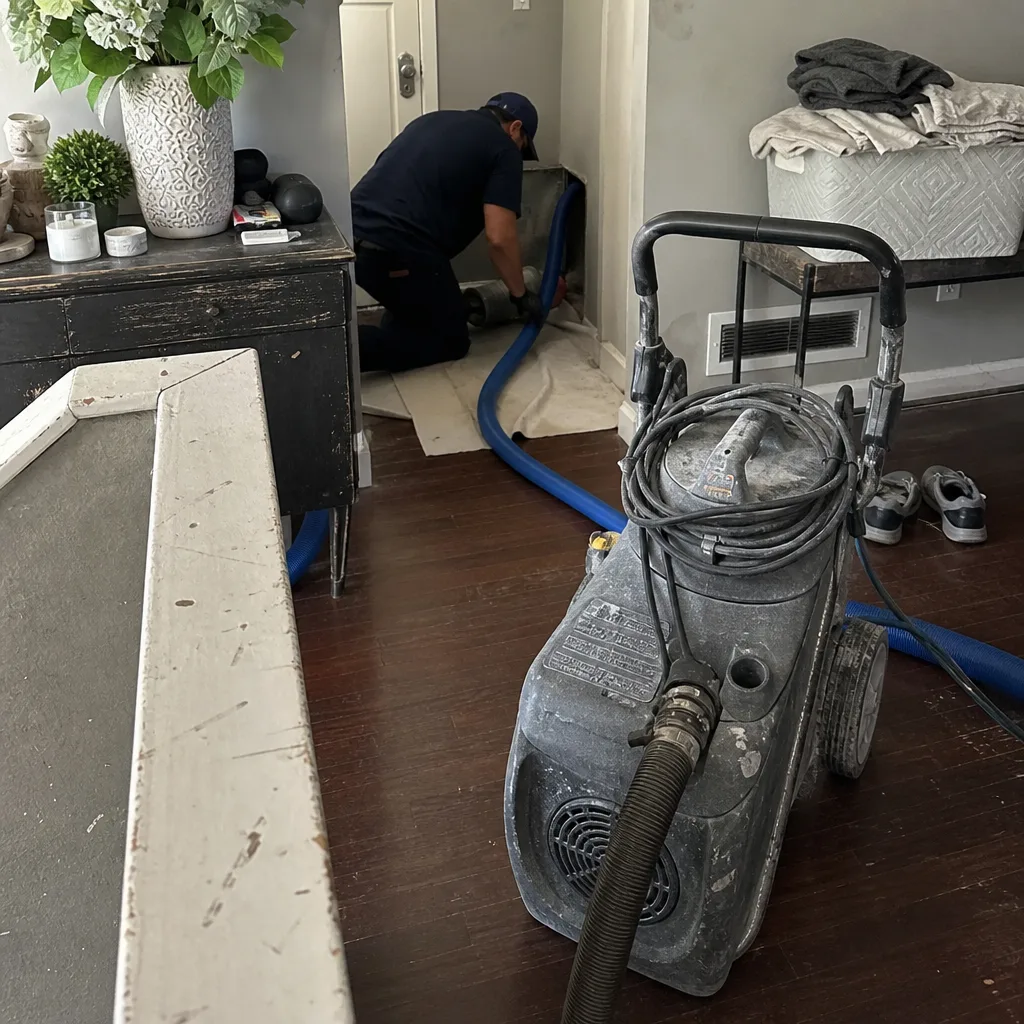 Before
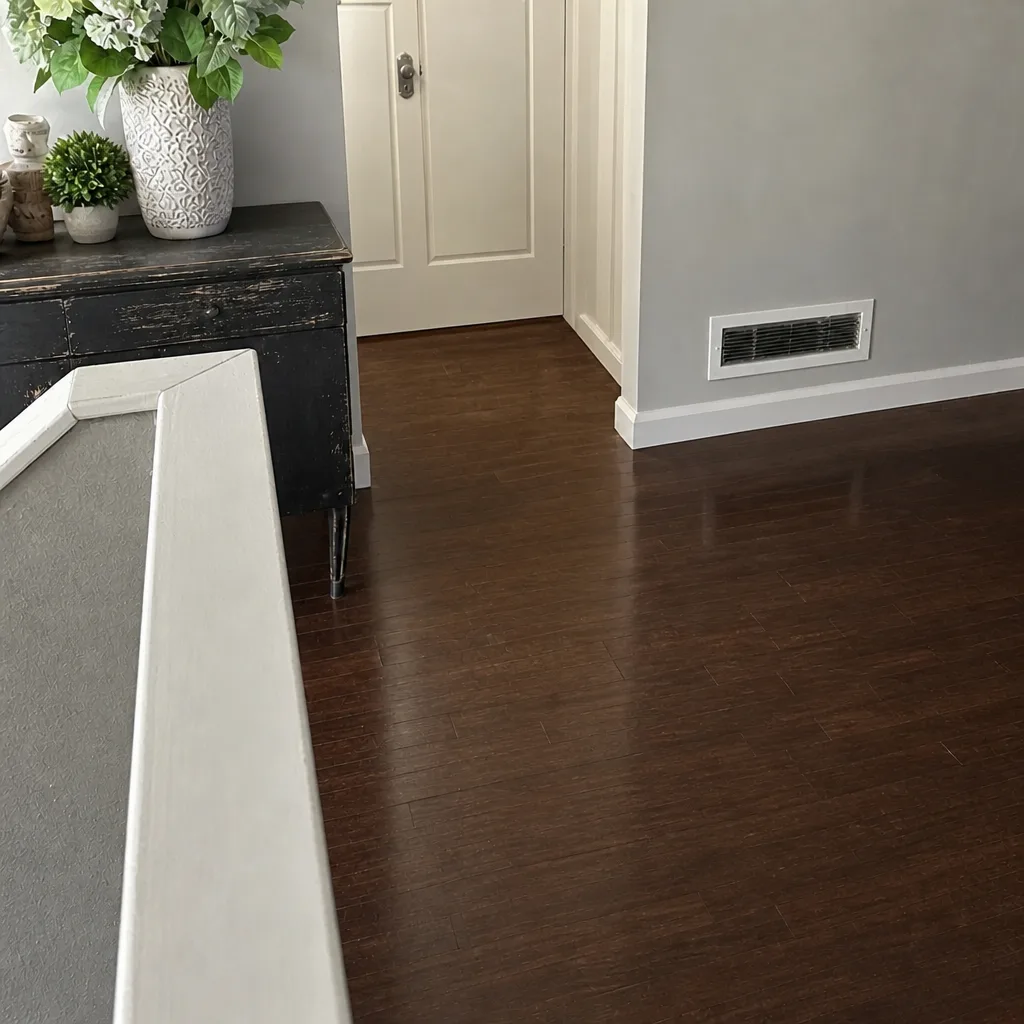 After
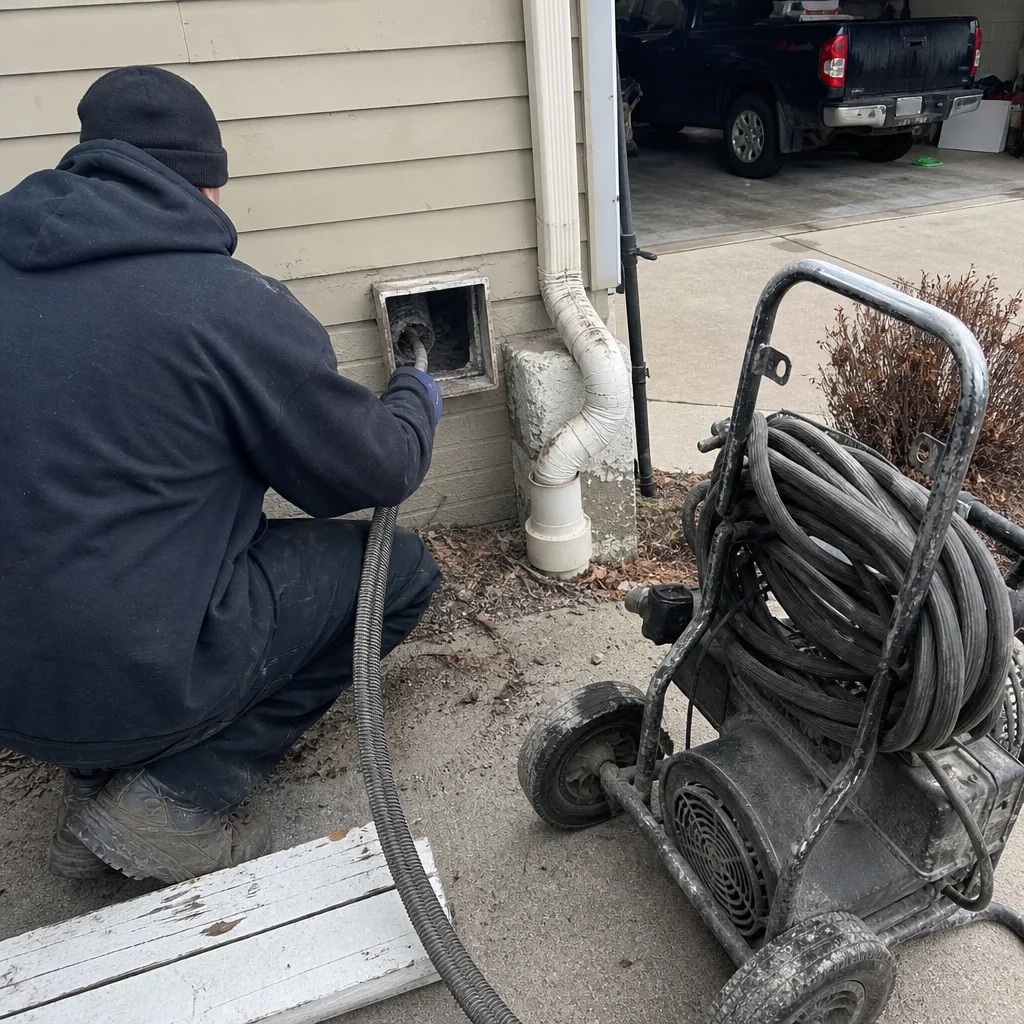 Before
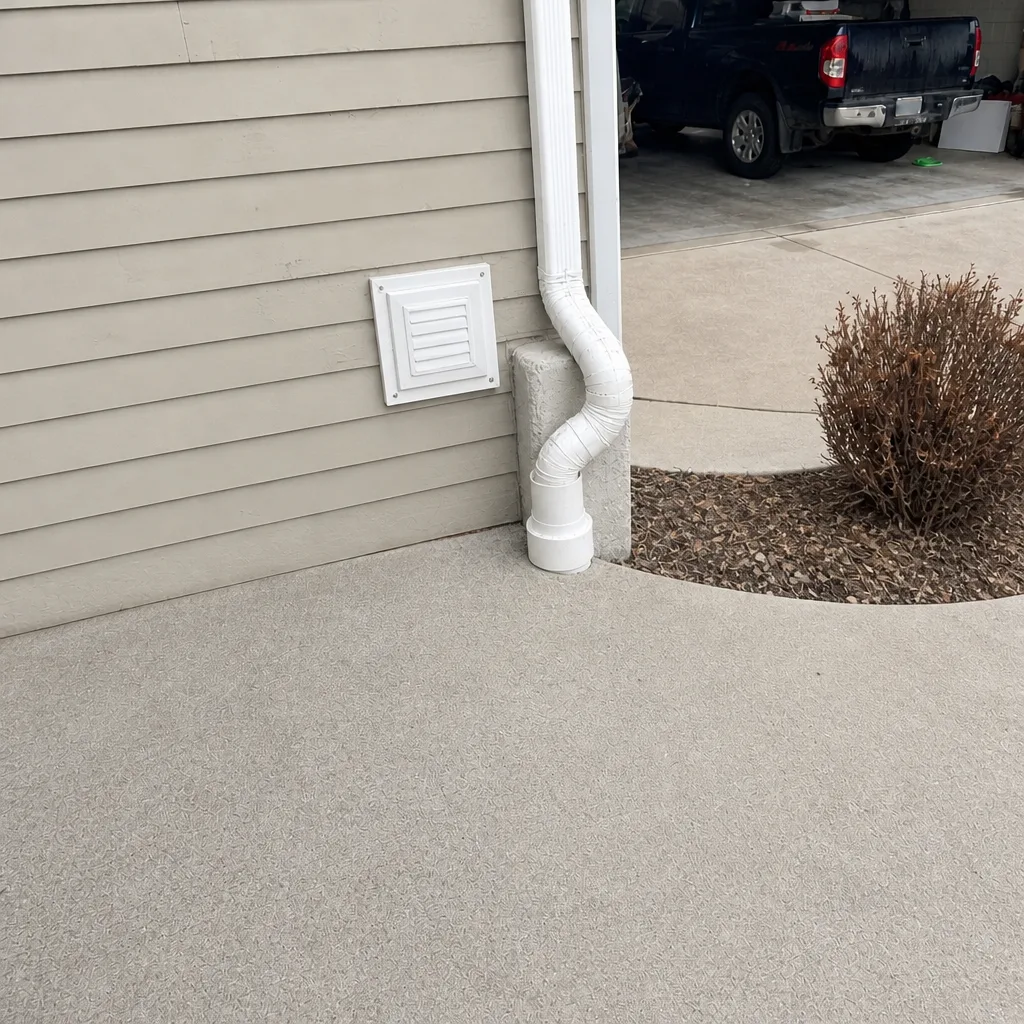 After
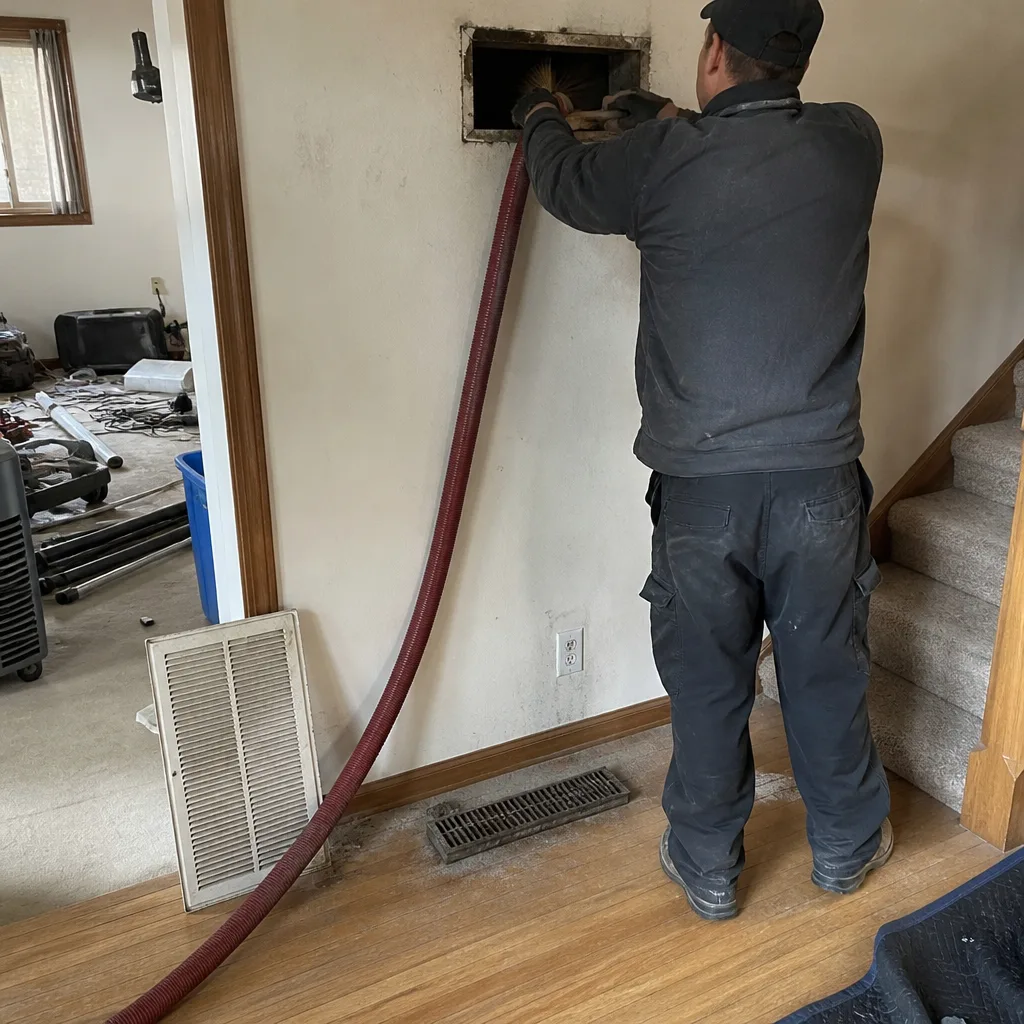 Before
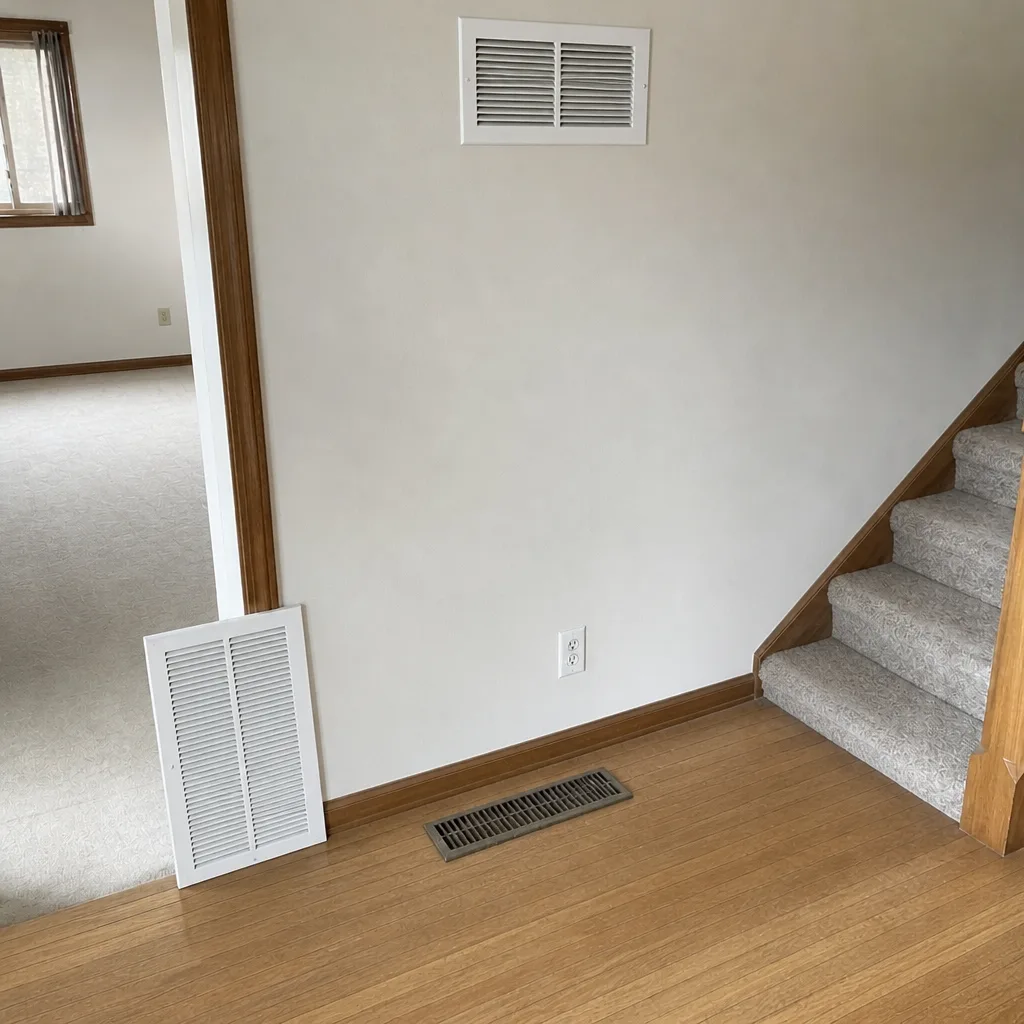 After
Frequently Asked Questions
For most Lakewood homes, a professional cleaning every three to five years is a reasonable baseline, with seasonal monitoring in between to catch the specific effects of wildfire smoke seasons, chinook wind events, and winter static loading. Homes with pets, allergy concerns, recent remodeling, or repeated wildfire smoke exposures benefit from more frequent cleaning – closer to every two to three years. Call (844) 625-7378 for a free estimate if you’re unsure where your home falls.
Fall is the best single time of year for a full clean and inspection in Lakewood because it catches winter’s biggest load before the furnace runs continuously. Spring is a close second, especially if you saw any moisture problems after snowmelt. If you can only do one visit per year, choose fall. Call (844) 625-7378 to book either season.
Yes, and standard filters don’t fully protect you. Ultrafine PM2.5 particles pass through typical 1-inch filters and settle onto duct walls, where they accumulate over a season and bond with existing dust. If your neighborhood had multiple significant smoke events, a post-season duct check is worth it. Call (844) 625-7378 for a free estimate.
Winter static is the usual reason. Lakewood’s elevation and furnace-driven dry air amplify static charge on duct walls, and fine particulate bonds to that charge faster than airflow can dislodge it. If your registers get visibly dusty within a couple of weeks of cleaning, the ducts themselves are likely holding onto a layer that a professional contact-cleaning system can physically remove. Call (844) 625-7378 for an assessment.
The signs include rooms that don’t heat or cool evenly, dust returning quickly after cleaning, higher utility bills without a clear cause, visible gaps at register boots, and any musty smell that returns within weeks of cleaning. A proper inspection should include a look at connections, the plenum, and the blower compartment – not just the trunk lines. Call (844) 625-7378 – the estimate is free and we’ll tell you honestly whether repair is needed.
Dryer vent cleaning is its own annual check, separate from duct cleaning, because lint buildup is a fire hazard independent of ductwork condition. It’s worth doing every year, and it’s especially important in Lakewood homes where the dryer runs heavily through winter and spring snowmelt season. Call (844) 625-7378 to add it to your next visit.
The Bottom Line
Lakewood’s four seasons each hit ductwork in a different way, and the right response changes with the season. Spring is about moisture and mold watch after snowmelt. Summer is about wildfire smoke and fine particulate the standard filter can’t catch. Fall is the pre-heating-season inspection window and the best time of year for a professional visit. Winter is about static, dry air, and particles bonding to duct walls. A professional clean every three to five years – sooner with pets, allergies, or heavy smoke exposure – with DIY monitoring in between, keeps the system efficient and the air in your home clean. When in doubt, get a professional inspection and a written estimate before you commit to anything. Call (844) 625-7378 for a free estimate. We answer 24/7. Fast dispatch from 7am to 7pm, Sunday through Friday.
Written by the team at Air Duct Cleaning Lakewood Pros.