
Last updated November 25, 2026
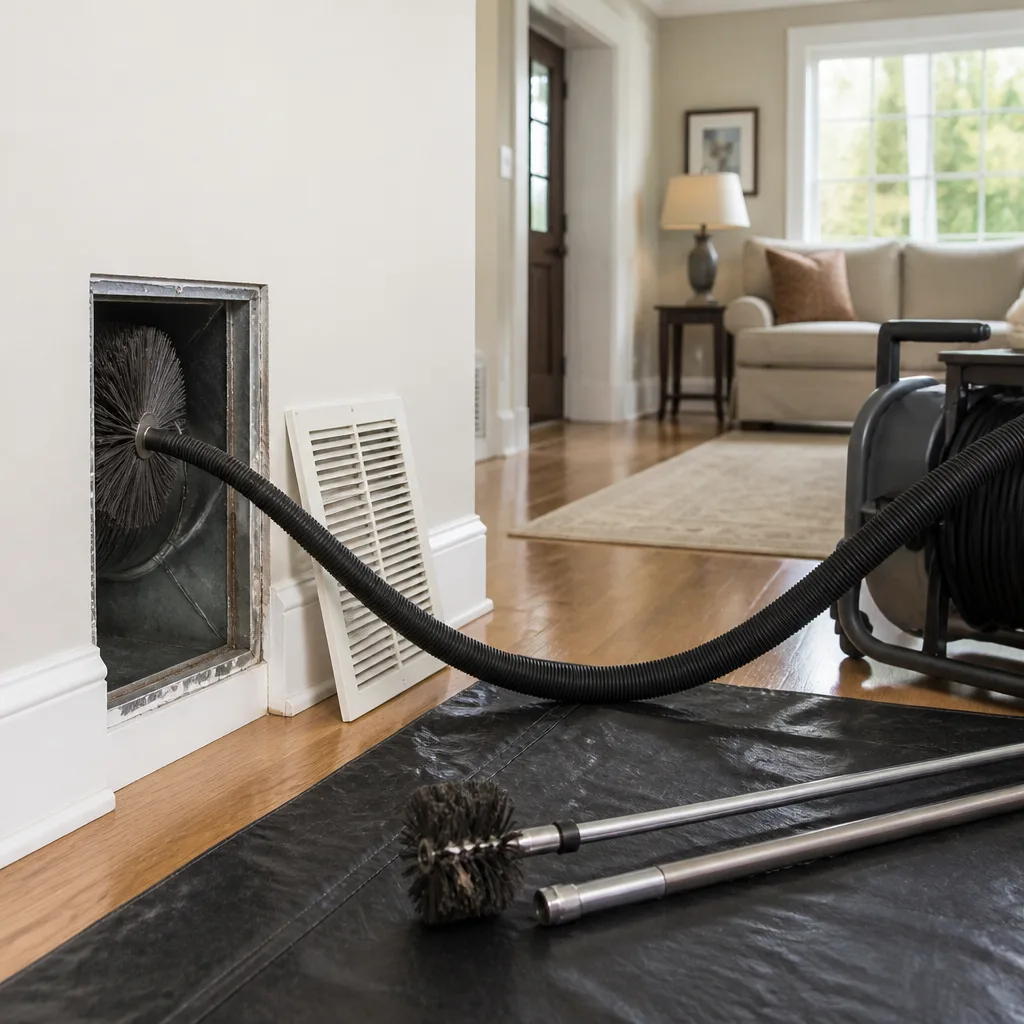 Whole-home duct cleaning
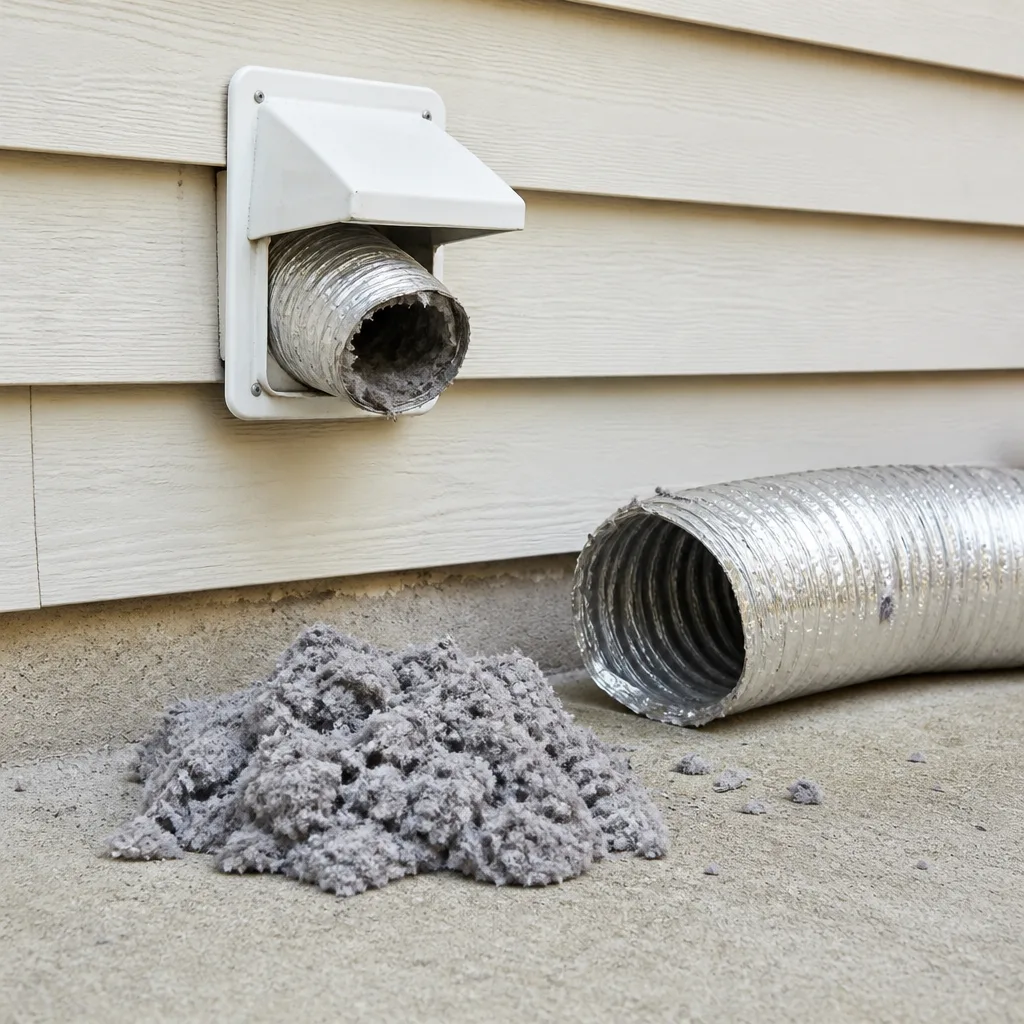 Dryer vent cleaning
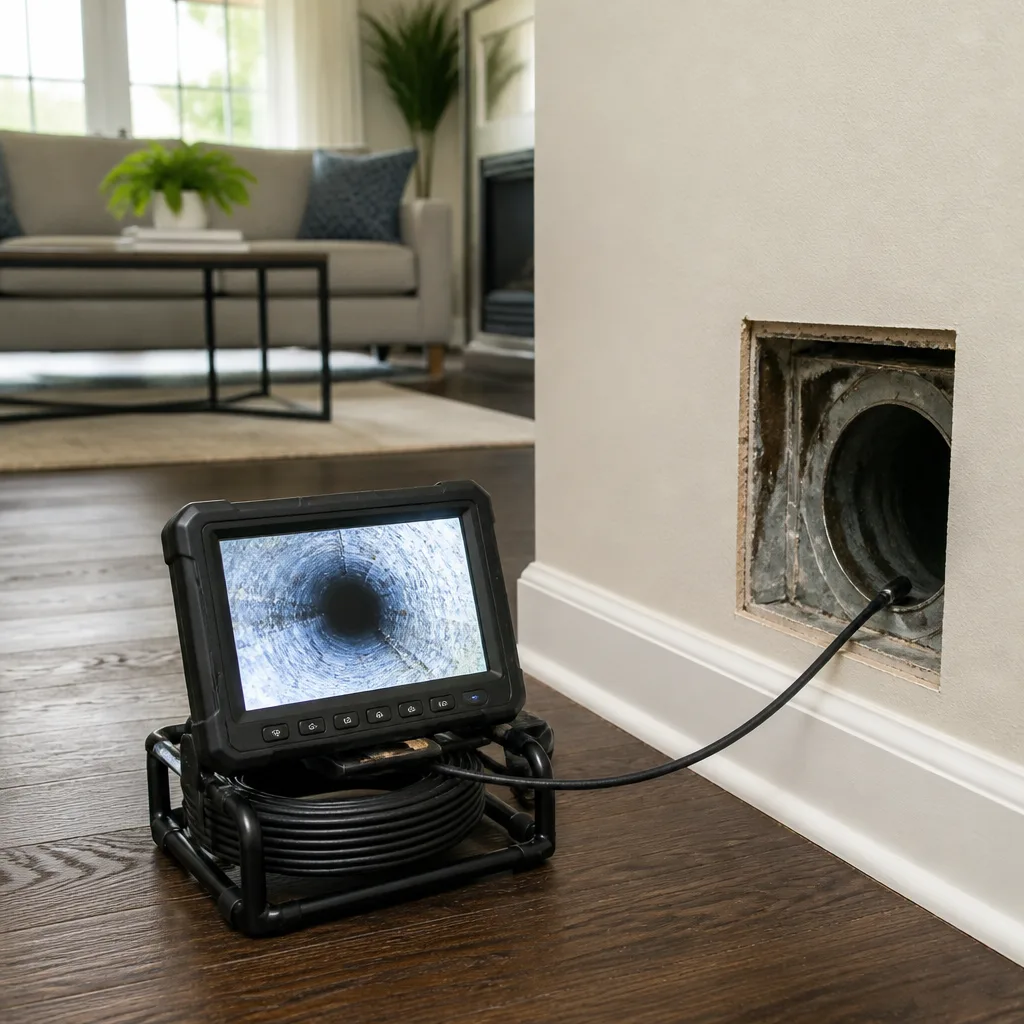 Camera inspection
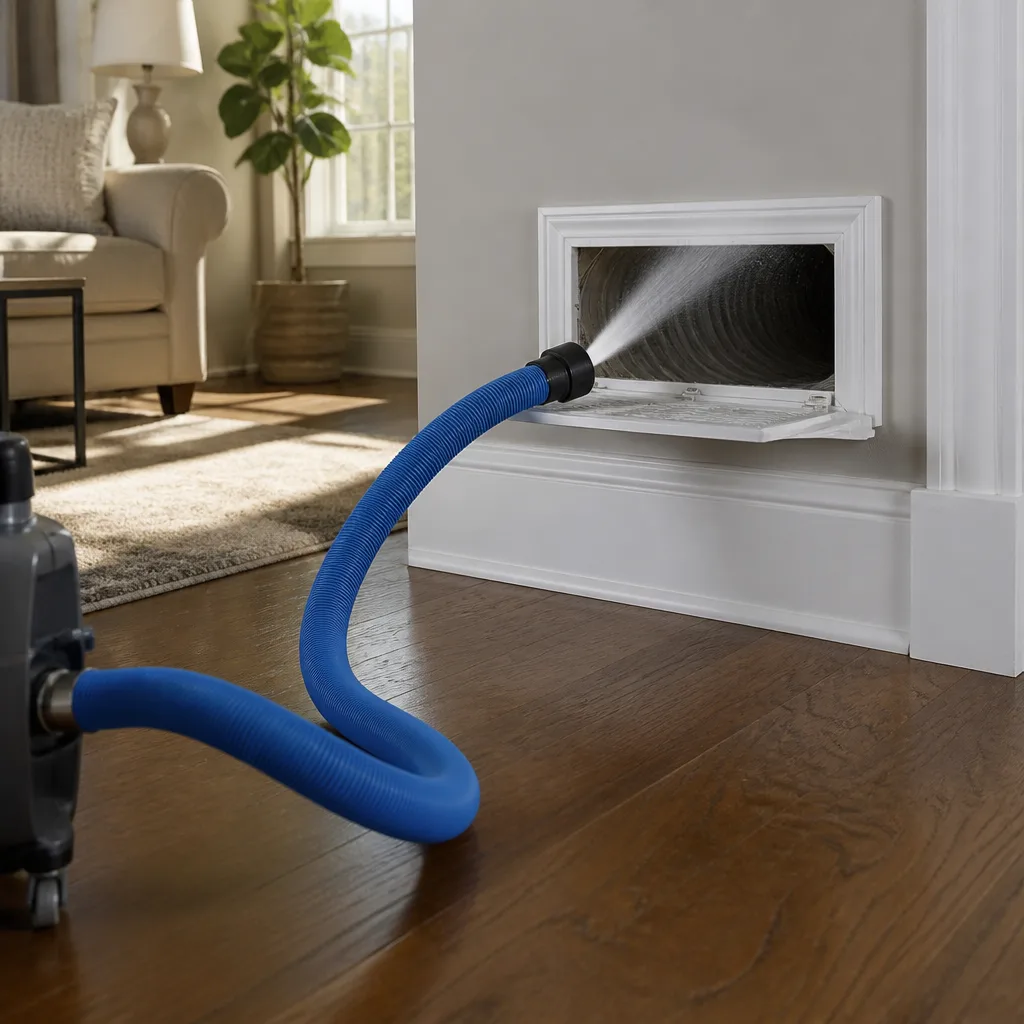 Sanitizing & deodorizing
Whole-system duct and dryer vent check with before-and-after photos - you see exactly what came out of your vents
That "$99 whole-house special" is a bait ad - the real number appears once they are in your hallway, or the "clean" is a shop-vac at the register. We photograph the inside of your ducts before and after instead.
Air Duct Cleaning Maintenance Checklist for Lakewood Homeowners
The filter you change every 90 days only catches what reaches the return grille. The debris that bypassed it three cleanings ago is still coating your supply plenum right now, and no amount of fresh pleats is going to pull it back out. That’s the gap most maintenance advice never addresses: filtration is one part of duct health, inspection is the other, and almost nobody inspects. This guide lays out the actual inspection sequence a credentialed technician follows in Lakewood, translated into tasks you can run yourself with a flashlight, a white cloth, and a notebook. You’ll learn what to check room by room, which signals mean a cleaning is overdue, how to log duct condition so a contractor can compare against your baseline, what filter rating suits Lakewood’s smoke and pollen seasons, and which habits genuinely stretch the time between professional cleanings.
Styles & brands we work with
- Whole-home duct cleaning
- Dryer vent cleaning
- Camera inspection
- Sanitizing & deodorizing
Quick Answer
A workable duct maintenance routine for a Lakewood home has three layers: monthly homeowner checks (registers, return grille, filter, visible dust), seasonal checks timed to Lakewood’s wildfire smoke and spring pollen, and a professional cleaning and inspection interval that typically runs every three to five years depending on your home’s age and whether pets or recent remodeling are in the picture. Sealed ductwork and correct filter rating matter as much as cleaning itself, because leaks pull attic and crawlspace dust back into the system you just paid to clear. Log what you find each time so a technician can compare against a real baseline instead of starting blind.
Table of Contents
- Why Your Filter Is Only Half the Story
- The Room-by-Room Register Inspection Protocol
- Signs a Cleaning Is Overdue Versus Normal Dust
- How to Log Duct Condition So a Contractor Can Read It
- Filter Type and MERV Rating for Lakewood’s Air
- The Monthly Check and the Seasonal Check
- Which Maintenance Tasks Actually Work
- Duct Sealing: The Step Most Checklists Skip
- Common Mistakes to Avoid
- When to Call a Professional
- Frequently Asked Questions
- The Bottom Line
Why Your Filter Is Only Half the Story
Every duct system has two dust problems, and only one of them shows up at the filter. The first is incoming debris that the filter catches or misses. The second is debris that settles inside the ductwork itself and never moves again unless something disturbs it. That settled layer is what you’re actually managing with a maintenance checklist. It’s also why a clean filter on a dirty system reads as “everything’s fine” right up until the day you notice a musty smell in a bedroom.
In Lakewood, dust has a couple of local companions. Spring pollen from the cottonwoods and ornamental trees along the city’s older streets lands on outdoor condenser coils and gets tracked in through return air. Wildfire smoke from summer and fall fires west of the Front Range pushes fine particulates into homes during the weeks when windows stay closed and the system runs hard. Both leave a film that a standard filter captures only partially, and both change what “normal” looks like when you open a register.
Then there’s the leak problem. Ducts running through unconditioned attic or crawl space in a Lakewood home built before the mid-1990s often have disconnected joints, taped seams that have given way, or flex runs crushed against framing. Every one of those gaps pulls in outside dust, insulation fibers, and attic air. You can clean the ducts, but if you don’t seal them, the next six months of air will refill the same duct with the same debris. That’s why a thorough service includes repair and sealing rather than cleaning alone. Clean ducts, sealed ducts, safe ducts is the sequence that actually holds.
The Room-by-Room Register Inspection Protocol
You don’t need professional equipment to get a real read on your ducts. A bright flashlight, a white cloth, and a camera work fine. Run this sequence once per season and note what you find. The goal is comparison over time, not a verdict on the first visit.
- Start at the return grille. Remove the grille cover and shine the light into the return duct. Look for dust buildup on the walls of the duct itself, which indicates the filter is bypassing or the system has not been cleaned in a long time. Note the color and texture: gray powder is normal dust; oily black film or fuzzy gray growth is worth flagging.
- Wipe the register fins in each room. A white cloth run across the fins should come back lightly dusty. If it comes back with a visible coating thick enough to leave a smudge, the supply duct feeding that room is carrying more than it should.
- Check the airflow by hand. Hold your palm a few inches from the register with the system running. Airflow should feel consistent across rooms. A register that barely pushes air suggests a crushed flex run or a damper that’s been closed and forgotten, both of which also trap debris.
- Look at the wall or ceiling around the register. Streaks radiating from the register point to air leaking around the boot rather than out of the duct, which is a sealing issue, not a cleaning issue.
- Sniff at each register. A musty, sour, or vaguely dirty-laundry smell at a register suggests moisture or microbial activity inside that run. Note which rooms and which side of the house.
- Photograph each register and the return before you put the cover back. Name the file by room and date. These are your baseline.
- Walk the visible ductwork in the basement, attic, or crawl space. Look for separated seams, torn flex jacket, sagging runs, and ducts crushed against framing. Photograph anything that looks compromised.
A complete pass takes fifteen minutes in a typical Lakewood ranch or two-story home. Do it in the same order every time so the photos line up.
Signs a Cleaning Is Overdue Versus Normal Dust
Most homeowners can’t tell the difference between a system that needs cleaning and one that’s just dusty, and it costs them either money (unnecessary cleaning) or air quality (a system that never gets cleaned because nothing looks bad enough). Here’s how to draw the line.
Normal accumulation
- A light, even gray film on register fins that wipes away with one pass of a cloth.
- Dust visible on the return grille itself but not on the duct walls behind it.
- Dust on horizontal surfaces in the room (shelves, tops of door frames) that builds back over a week or two.
- No odor at the registers.
Cleaning overdue
- A visible, textured coating on the walls inside the return duct, deep enough to leave a fingerprint if you press gently.
- Fuzzy or matted debris adhering to register vanes and to the boot where the duct meets the wall.
- Any musty or sour smell from a register, even faint.
- Visible dust blowing out of a register when the system starts.
- Debris visible in the supply plenum, which a technician can inspect through the air handler access.
- A noticeable drop in airflow to some rooms compared to a year ago, with the filter clean and changed on schedule.
- New construction or remodeling dust that was pulled into the system, even if the work is finished.
- Pets in the home and no cleaning on record for several years.
If you see two or more items from the second list, it’s time for a professional cleaning and inspection, and probably a conversation about sealing. For a full picture of what the cleaning process involves and how it’s performed, see our page on air duct cleaning.
How to Log Duct Condition So a Contractor Can Read It
The single most useful thing you can do for your ducts is keep a record. A technician who arrives with your log in hand can compare against a baseline instead of guessing, and they can spot a trend (dust building faster than expected, one register getting worse than others) that a one-time inspection would miss.
Keep the log simple. A notebook or a spreadsheet both work. Record the same fields each time:
- Date of each inspection.
- Filter brand, MERV rating, and the date it was changed.
- Return duct condition: light film, moderate, heavy, or growth.
- Register-by-register notes: dust level, airflow feel, any odor, and a photo filename.
- Visible ductwork observations: any new separations, tears, sagging, or crushed runs.
- Any work done: cleaning, sealing, repair, sanitizing, with the date and the technician’s findings.
- Anything that triggered a concern: smoke events, remodeling, a new pet, a new HVAC install.
Seasonal notes matter more than they seem. A log that shows dust building faster in late summer and fall points to wildfire smoke exposure. A log that shows a spike in April and May points to pollen. Both help shape the filter rating decision and the cleaning interval. When a technician arrives with your log, they can target the rooms that are actually worse, check the duct sections that have trended badly, and tell you whether the cleaning interval needs tightening or is holding fine.
Filter Type and MERV Rating for Lakewood’s Air
Filter choice in Lakewood is a balance, not a competition to use the highest rating available. A filter that’s too restrictive starves the system and can cause the blower to work harder, which shortens equipment life. A filter that’s too permissive lets the same dust through that you’re trying to keep out of the ducts. MERV is the rating system, running from low single digits (basic dust) up to MERV 13 and beyond (fine particulates and some smoke and virus-sized particles).
For a typical Lakewood home with a standard residential system, a MERV 8 or MERV 11 filter covers the everyday dust problem well. Where wildfire smoke weeks are a recurring concern, or where someone in the household is sensitive to fine particulates, moving to MERV 13 is reasonable, but confirm with your HVAC technician that the system’s blower can handle the added restriction. Check the filter slot and the system’s documentation, and adjust rather than guess.
A practical filter plan for Lakewood
- Baseline: MERV 8 or 11, changed every 90 days. Change sooner if the filter visibly loads with gray dust before the interval ends.
- Wildfire smoke weeks: step up to MERV 13 if your system can take it, and check the filter weekly during a smoke event. It will load fast.
- Spring pollen peak: keep the same filter rating but check the filter at the 60-day mark and note whether it loaded early.
- After any remodel or construction: change the filter when the work wraps, and expect to change again within a month.
- Electrostatic or washable filters: clean on the manufacturer’s schedule, not monthly by habit. They load differentially and can be over-cleaned.
Filter rating and duct condition work together. A MERV 13 filter on a leaky, uncleaned duct system still delivers filtered air into a duct that’s shedding debris back into the stream. Seal the system, clean it, then optimize the filter. If indoor air quality is your concern beyond dust (odors, microbial growth, allergy symptoms that don’t ease with basic cleaning), the Air Quality & Sanitizing service we offer includes Honeywell and Aprilaire IAQ products that target the source rather than masking it, and the HVAC cleaning service covers the equipment and coils that interact with the duct system.
The Monthly Check and the Seasonal Check
Split your maintenance into two rhythms. The monthly check is short and catches fast-moving issues. The seasonal check is longer and catches slow ones.
Monthly (10 minutes)
- Look at the filter. If it’s visibly loaded or matted, change it now, regardless of the 90-day schedule.
- Wipe one register (rotate which one) and note what the cloth comes back with.
- Listen to the system at startup. Any new rattle, whoosh, or hiss is worth noting.
- Sniff the return grille. Any new odor gets logged.
- Confirm nothing is blocking returns: furniture, rugs, boxes pushed against the grille.
Seasonal (30 minutes)
- Run the full room-by-room register protocol and photograph everything.
- Walk the visible ductwork and check for new separations or tears.
- Check the outdoor condenser coil and clear debris from around the unit (leaves, cottonwood fluff, pollen mats).
- Note any change in airflow to specific rooms compared to the last seasonal log.
- If wildfire smoke has been heavy since the last check, look at the return duct walls specifically.
- Add to the log: date, findings, and any follow-up needed.
A dryer vent check belongs on the seasonal list too. Dryer vent cleaning isn’t optional maintenance, it’s a fire-safety service, and a clogged vent is a leading cause of residential fires. Pull the dryer out, disconnect the vent, and look for lint buildup and any crushed or kinked flex. If you see heavy buildup or your vent runs long, that’s a professional job. Our dryer vent cleaning service covers it, and it can be scheduled on the same visit as the duct work.
Which Maintenance Tasks Actually Work
Plenty of duct care advice floating around is well-meaning placebo. Here’s the honest split.
Tasks that genuinely extend the interval
- Sealing leaks and disconnected joints. The biggest single lever. Duct sealing eliminates the path that keeps refilling cleaned ducts with attic and crawlspace debris.
- Correct filter rating and timely changes. Don’t overshoot with a filter the blower can’t handle, and don’t let one run past loading.
- Containing dust during remodeling. Tape off registers before demo, keep the system off during heavy sanding, and change the filter when the work ends.
- Keeping returns unobstructed. A blocked return starves the system and triggers dust recirculation from the room.
- Controlling indoor humidity. Microbial growth on duct surfaces needs moisture. A dryer indoor environment is less hospitable to it.
- Scheduling professional cleaning at the right interval. Three to five years for many Lakewood homes, more often for pets, recent construction, or heavy smoke seasons.
Tasks that are placebo or counterproductive
- Spraying scented products into registers. Masks odor without addressing the source, and adds a new chemical to the air stream.
- Running a household vacuum into a register. Shop vacuums and household vacuums lack the filtration to contain the dust they agitate, and they don’t reach past the boot.
- Wiping registers weekly “to keep them clean.” Cosmetic. The dust that matters is deeper in.
- Changing a filter every month by habit. Wasteful if your filter isn’t loading. Let the visible condition guide you.
- Opening the air handler cabinet to “see how it looks.” Real safety and equipment risk with no upside. Bring a technician in instead.
- Running a duct fogger without cleaning first. Sanitizing on top of a dirty duct is pointless. Cleaning has to come first.
The professional version of this work uses contact-cleaning and negative-pressure equipment like Rotobrush and Nikro systems that agitate debris and extract it under vacuum, plus Abatement Technologies air-filtration units deployed on-site to capture what’s dislodged. That’s a different process from wiping the grille, and it’s the one that shows measurable results in the ducts.
Duct Sealing: The Step Most Checklists Skip
If you take one thing from this guide, take this: cleaning a leaky duct system is a temporary fix. The same way a clean filter on a leaky return gets bypassed, a clean supply duct running through an unconditioned attic or crawl space will pull outside air back in the moment you turn the system on. The debris comes from the gap, not the duct.
Duct leakage shows up in a few ways a homeowner can notice: rooms that are noticeably warmer or cooler than the rest of the house, a system that runs longer than you’d expect for the weather, dust streaks around register boots, and visible separations at joints in the attic or crawl space. None of these mean the ducts need to be replaced. They usually mean the ducts need to be sealed at the leaks.
Our Duct Repair & Sealing service addresses exactly this. Compromised flex runs are repaired or replaced; separated joints are sealed; crushed runs are corrected. The result is a duct system that holds pressure, delivers the air it’s supposed to deliver, and stops pulling debris into itself. It also means the next cleaning interval runs longer because the source of contamination has been cut off. Clean ducts, sealed ducts, safe ducts.
For a broader picture of how duct integrity fits into household maintenance, the guide you’re reading sits alongside our main Air Duct Cleaning Lakewood Pros service overview.
Common Mistakes to Avoid
- Assuming the filter schedule is the whole routine. A new filter on a dirty duct system just means clean air passing over dirty walls. Check the return duct and registers regularly, not just the filter slot.
- Chasing the cheapest cleaning bid. A crew that arrives with a shop vac and no negative-pressure containment will agitate more dust than it removes. Ask what equipment they use before you book, and expect names.
- Cleaning without sealing. In a Lakewood home with attic-routed flex duct, cleaned ducts refill faster than cleaned-and-sealed ducts. If the system isn’t sealed, the cleaning interval shrinks.
- Overshooting on MERV rating. A filter too restrictive for the system blower causes more problems than it solves. Confirm before upgrading, especially if you are moving to MERV 13 for smoke season.
- Sanitizing a dirty system. Sanitizing works after cleaning, not before. Spraying an uncleaned duct leaves the microbial growth’s food source in place.
- Ignoring the dryer vent. It’s on the same seasonal check cycle as the ducts, and it belongs to the fire-safety list, not the cosmetic one.
- Skipping the log. Without a written baseline, every inspection starts from zero and a pattern (fast dust return in one duct, odor in one room) gets missed. The log is what turns home checks into real diagnostics.
When to Call a Professional
Home checks handle the ordinary case. Professional cleaning and inspection belong in a few specific situations: two or more items from the “cleaning overdue” list showing at once; a visible musty or sour odor from any register; a recent remodel or new construction that pulled drywall and sawdust into the system; pets in the home with no cleaning on record for several years; visible duct separations or tears in the attic or crawl space; a drop in airflow or uneven room temperatures that doesn’t resolve with a filter change; and any household member whose allergy or asthma symptoms worsen when the system runs. Our technicians have up to 12 years of experience and work with professional-grade Rotobrush contact-cleaning systems, Nikro negative-pressure equipment, and Abatement Technologies air-filtration units on-site to contain dislodged particulates. Air Duct Cleaning Lakewood Pros offers free estimates in Lakewood. Call (844) 625-7378. We answer 24/7. Fast dispatch from 7am to 7pm, Sunday through Friday.
Frequently Asked Questions
Every three to five years is the typical interval for a Lakewood home with no unusual dust sources. Homes with pets, recent remodeling, or a history of heavy wildfire smoke exposure often need cleaning closer to the three-year mark. Use your seasonal log to spot when the return duct is loading faster than expected, and tighten the interval accordingly. If you’re unsure whether your system is due, a professional inspection will tell you what the ducts actually look like. Call (844) 625-7378 for a free estimate.
MERV 13 is the usual upper step for smoke-season filtration, but only if your system’s blower can handle the added restriction. Confirm with an HVAC technician before upgrading from MERV 8 or 11. A too-restrictive filter can starve the blower and shorten equipment life. During a smoke event, check the filter weekly because it loads much faster. Call (844) 625-7378 if you’d like help evaluating whether your system is due for a cleaning alongside the filter change.
No. A shop vac lacks the containment and reach to clean ductwork safely, and it typically agitates more dust than it captures. Household vacuums push fine particulates back into the air stream. Professional cleaning uses negative-pressure equipment and contact-cleaning tools that agitate and extract debris under containment, which is a different process entirely. Call (844) 625-7378 for a free estimate on professional cleaning.
A musty smell from one register usually means moisture or microbial activity inside the duct run serving that room. The most common causes are a duct that runs through a damp crawl space or near a leak, or a disconnected joint pulling outside air. Cleaning alone rarely fixes it; the duct needs to be inspected, cleaned, and usually sanitized, and the moisture source addressed. Our Air Quality & Sanitizing service uses Honeywell and Aprilaire IAQ products to target the source. Call (844) 625-7378 to schedule an inspection.
Ask for before-and-after photos of your own ducts, taken during the job, and check that the crew uses containment equipment on-site. Manufacturers of the equipment used should be named (for example Rotobrush, Nikro, or Abatement Technologies), because a real professional-grade job uses real professional-grade machinery. If a crew can’t tell you what they used or show you what they found, the cleaning was not verifiable. Call (844) 625-7378 for a free estimate on a documented cleaning.
Yes, especially in homes with ductwork routed through the attic or crawl space, which is common in Lakewood’s older neighborhoods. Leaky joints pull outside dust, insulation fibers, and attic air into the same ducts a cleaning just cleared. Sealing cuts off that path and extends the interval between cleanings significantly. It also improves airflow to rooms that were underperforming. Call (844) 625-7378 to have your ductwork inspected for leaks.
The Bottom Line
Duct maintenance is inspection, not just filtration. Run the room-by-room register check on a seasonal rhythm, walk the visible ductwork each time, log what you find with photos and dates, choose a filter rating your system can actually handle, and treat sealing with the same seriousness as cleaning. In a Lakewood home, the local twist is wildfire smoke and spring pollen that load the system faster than the generic three-year schedule assumes; the log is what tells you whether your home runs on the textbook interval or faster. Cleaning is one part of the cycle. Sealing is what protects the result. Clean ducts, sealed ducts, safe ducts.
If your checks turn up two or more of the overdue signals in this guide, or if it’s been several years since the system was professionally inspected, we can take a look. Air Duct Cleaning Lakewood Pros provides residential and commercial air duct cleaning, dryer vent cleaning, HVAC cleaning, duct repair and sealing, and air quality and sanitizing services. Call (844) 625-7378 for a free estimate. We answer 24/7. Fast dispatch from 7am to 7pm, Sunday through Friday.
Written by the team at Air Duct Cleaning Lakewood Pros.
See the difference
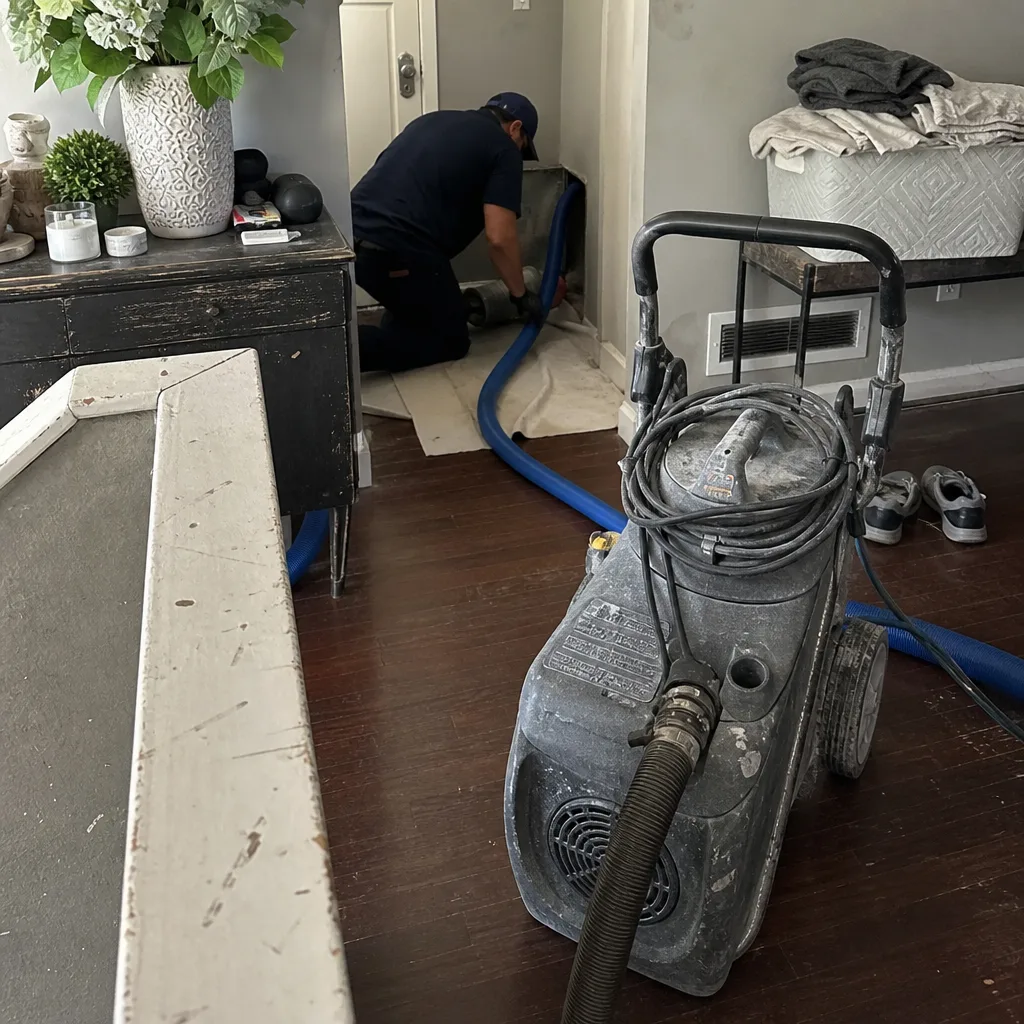 Before
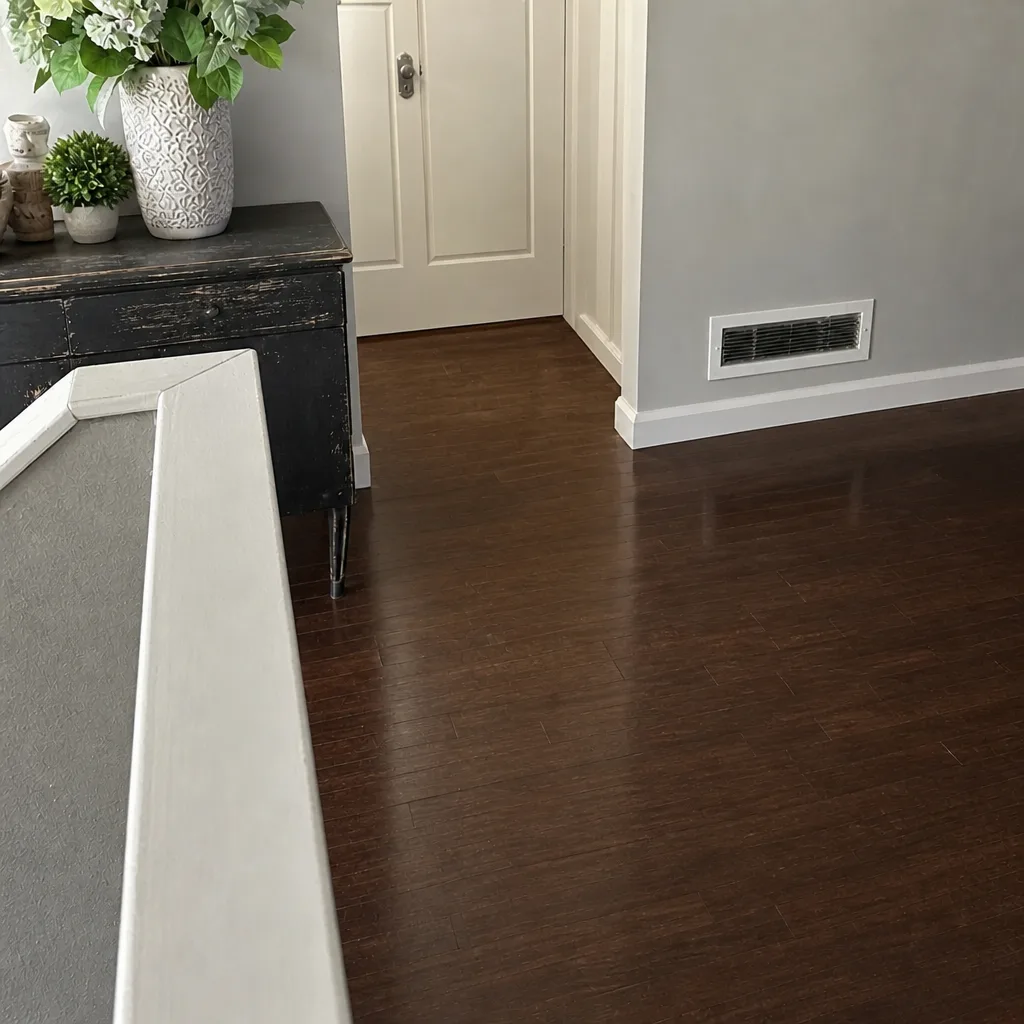 After
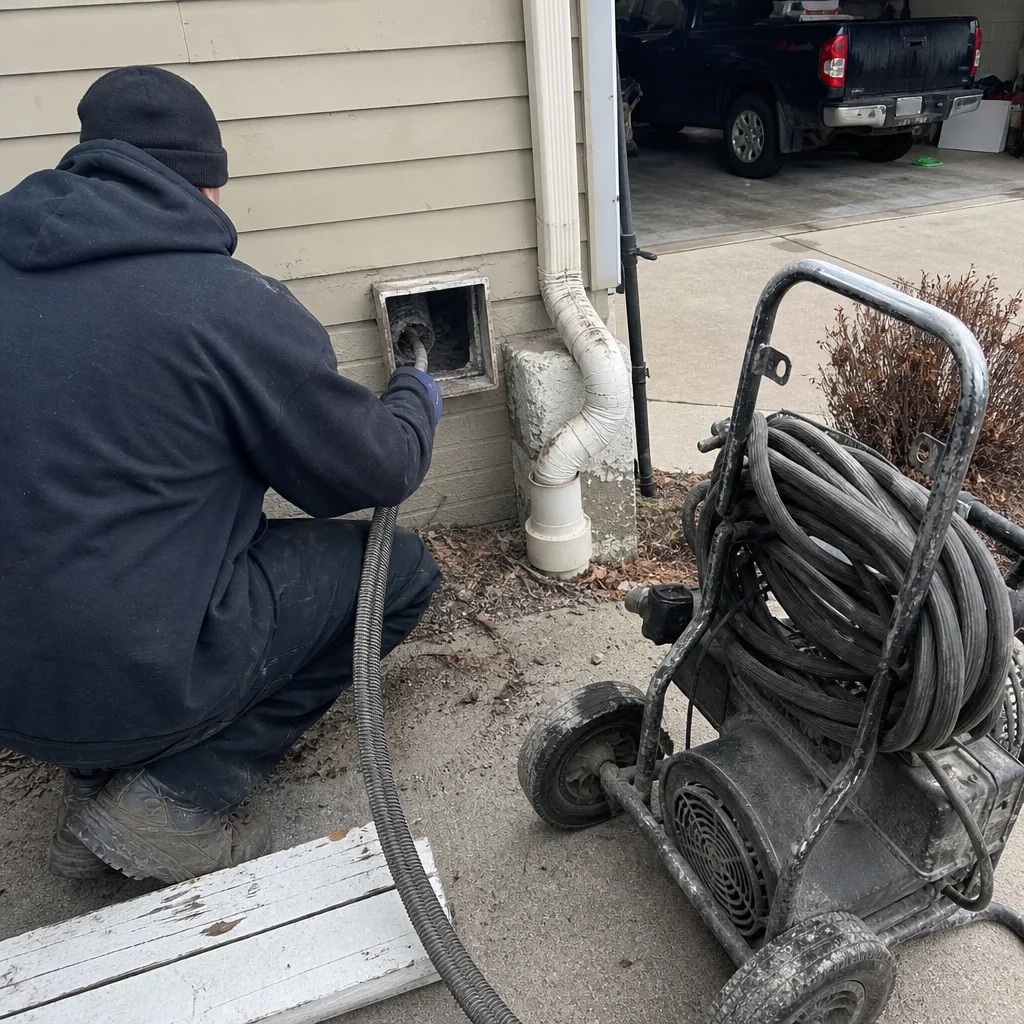 Before
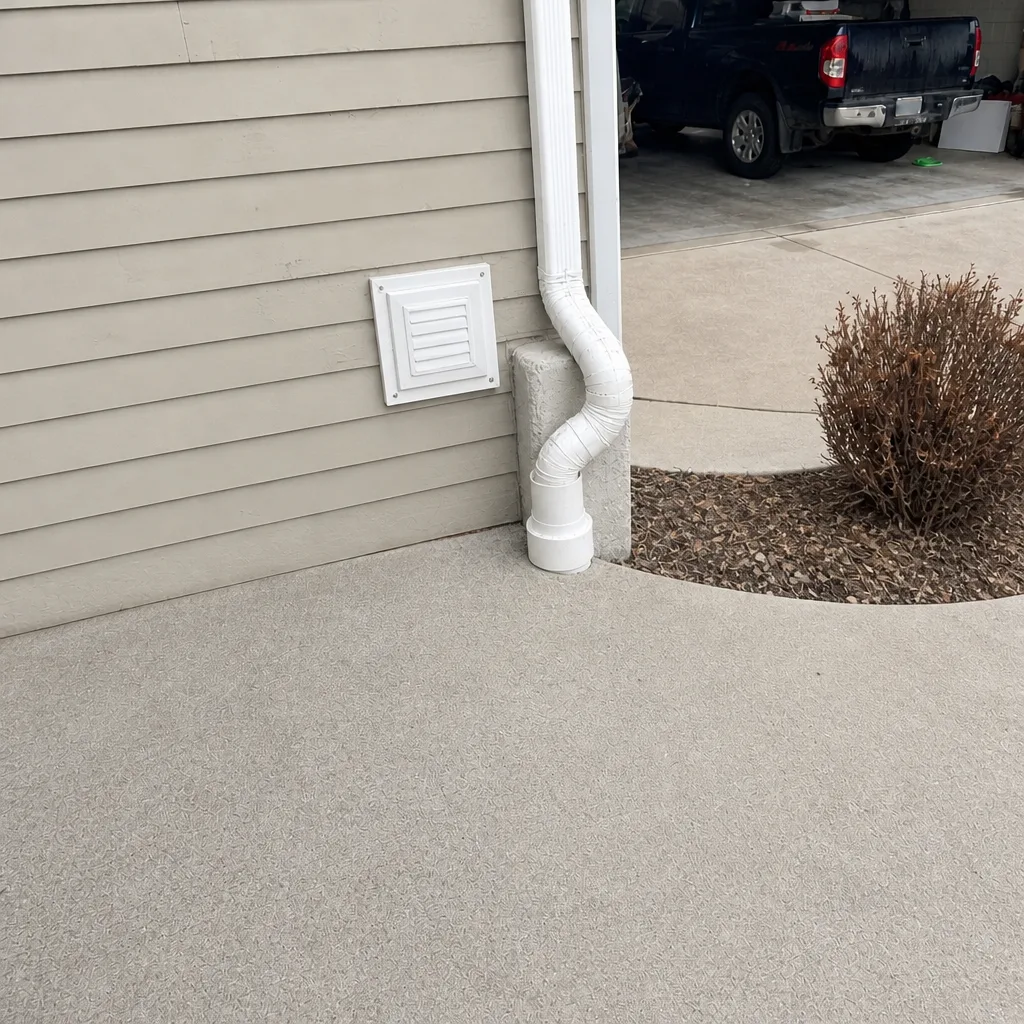 After
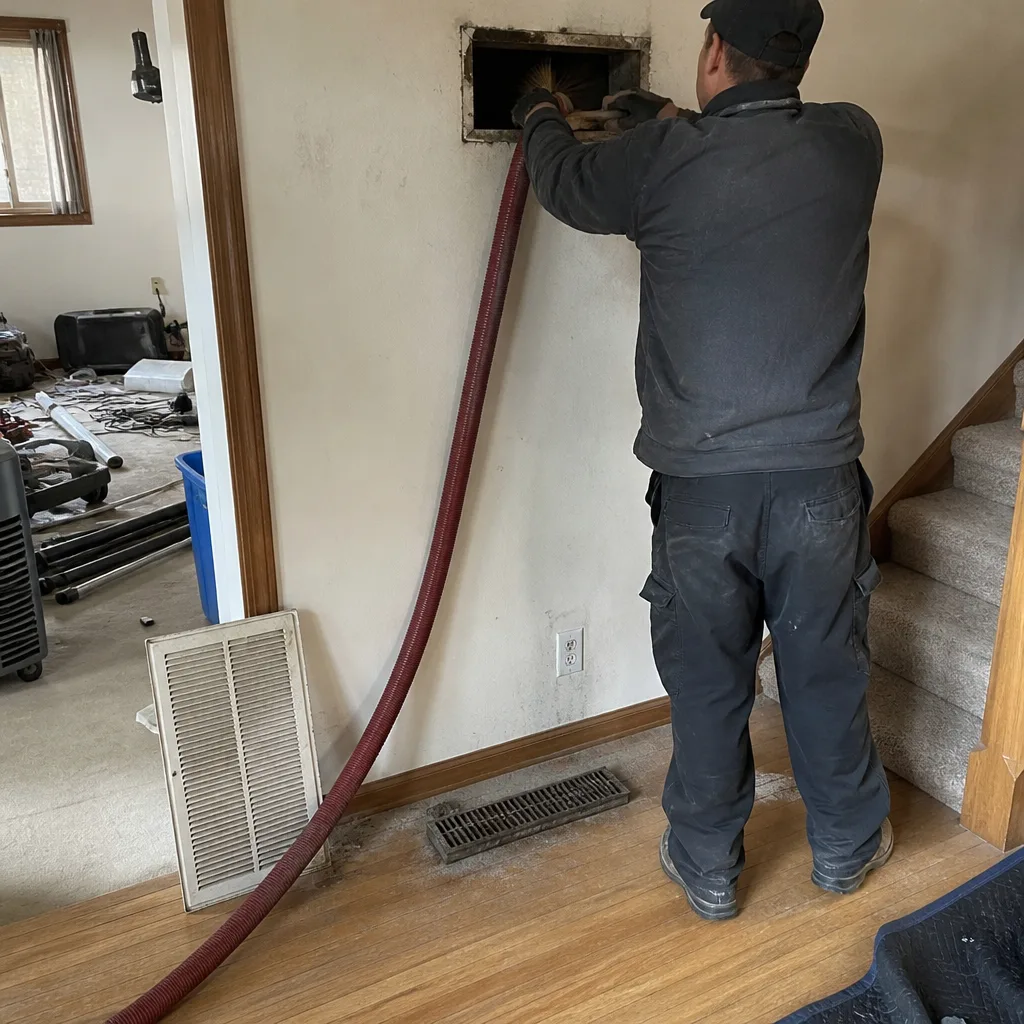 Before
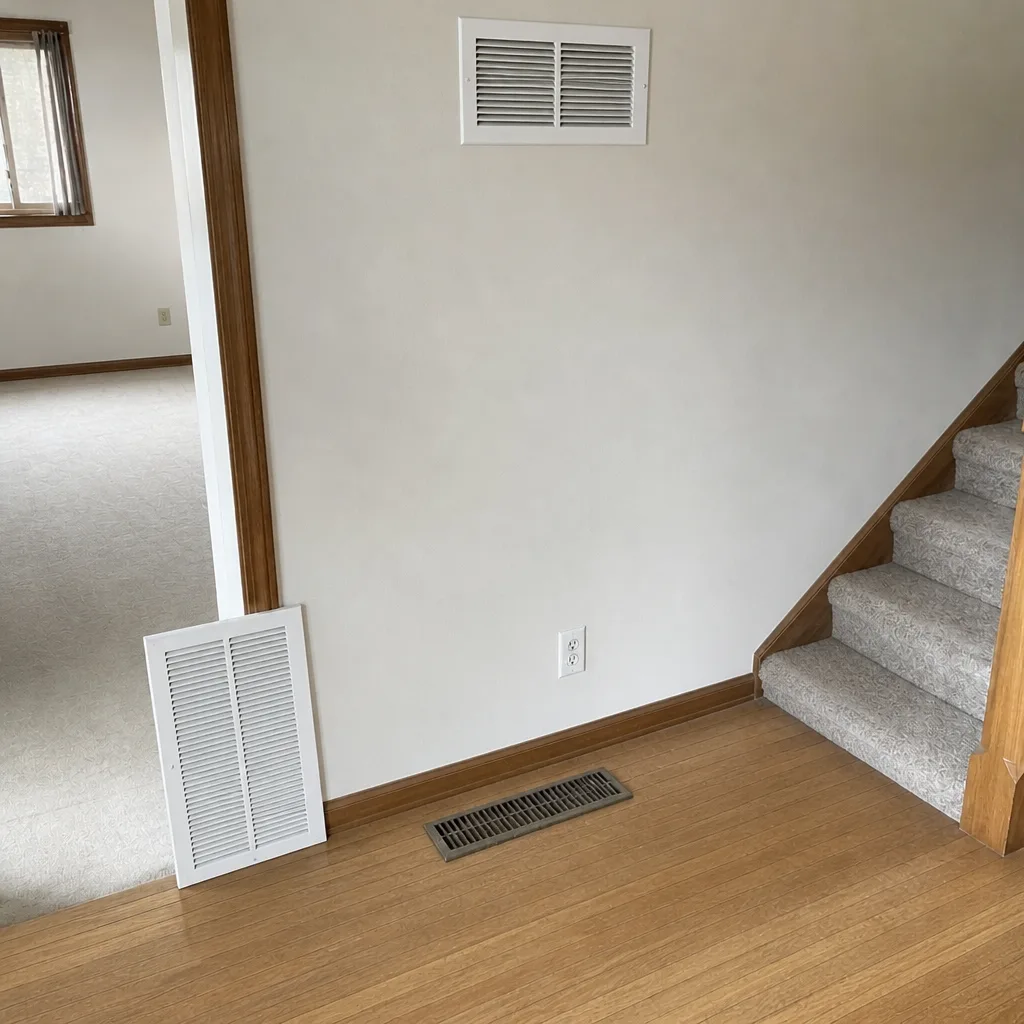 After