
Last updated November 25, 2026
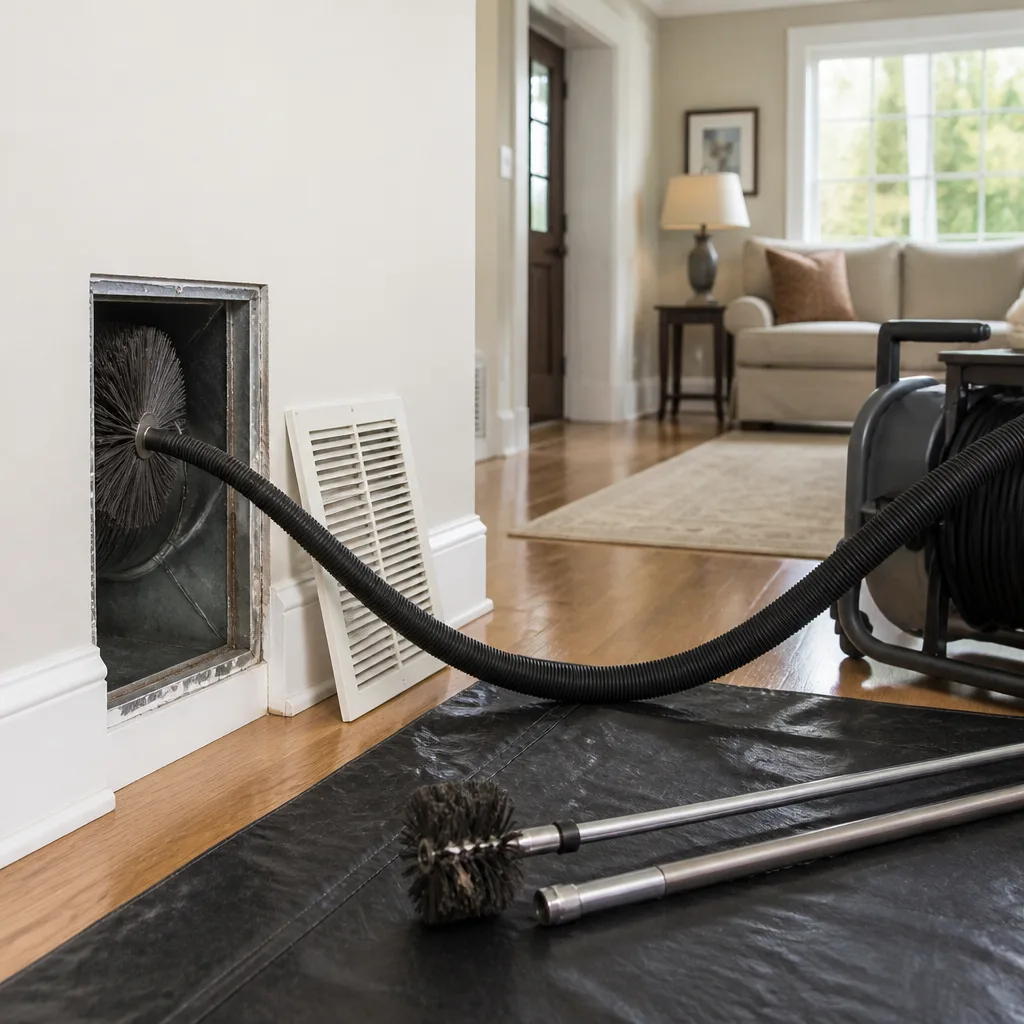 Whole-home duct cleaning
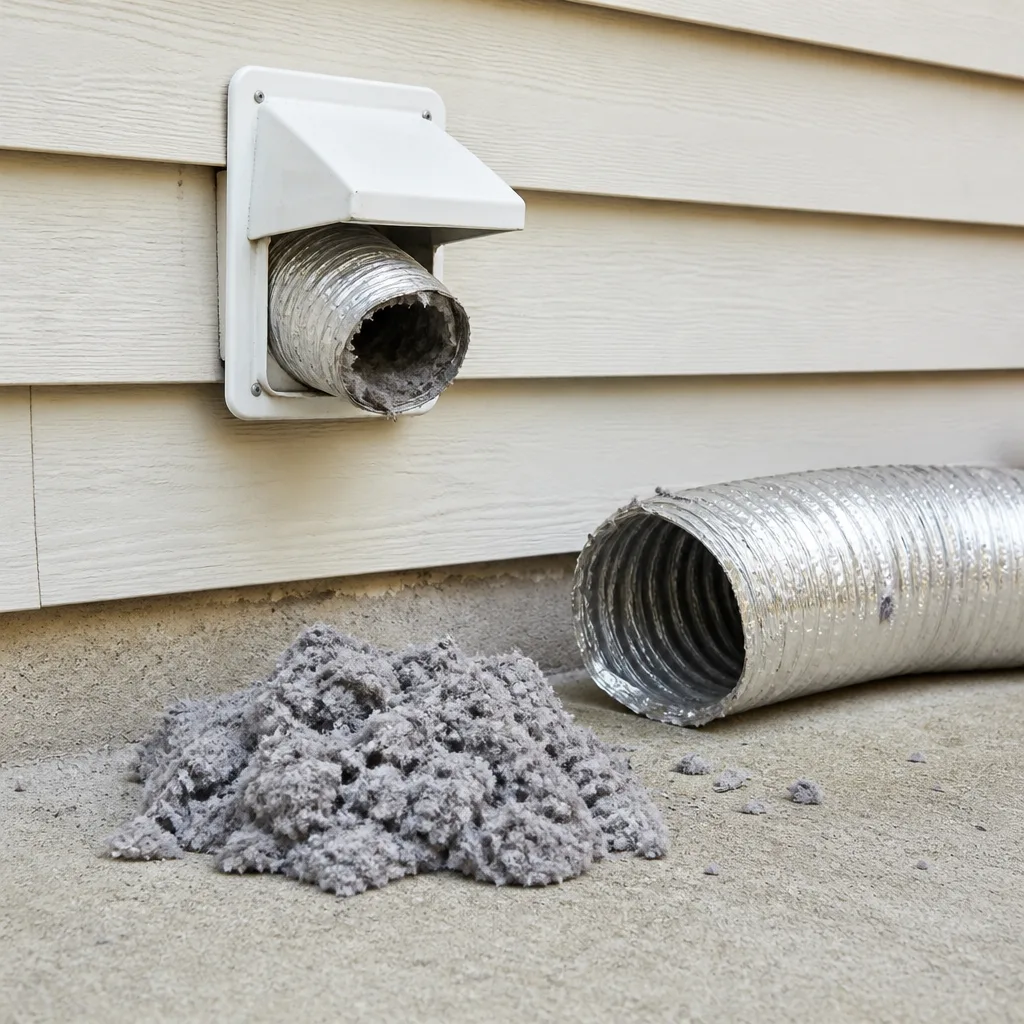 Dryer vent cleaning
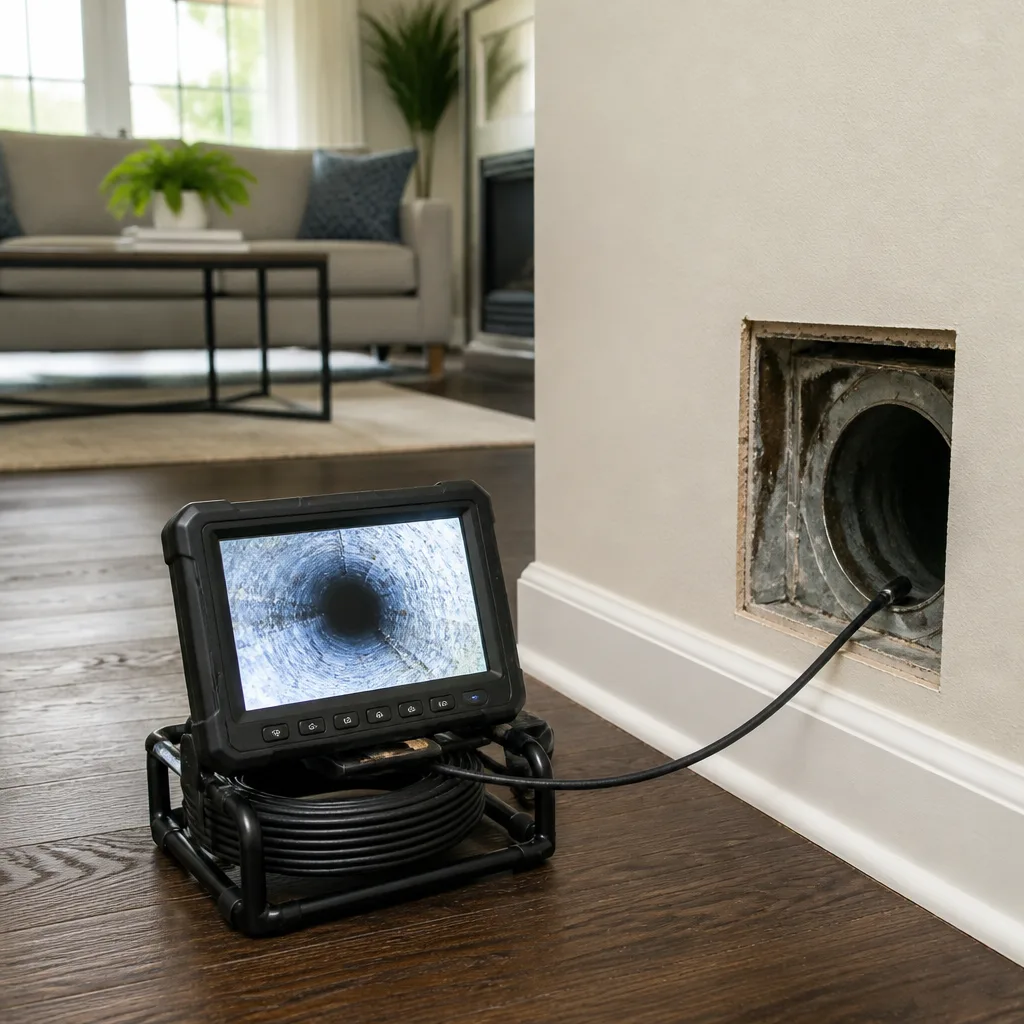 Camera inspection
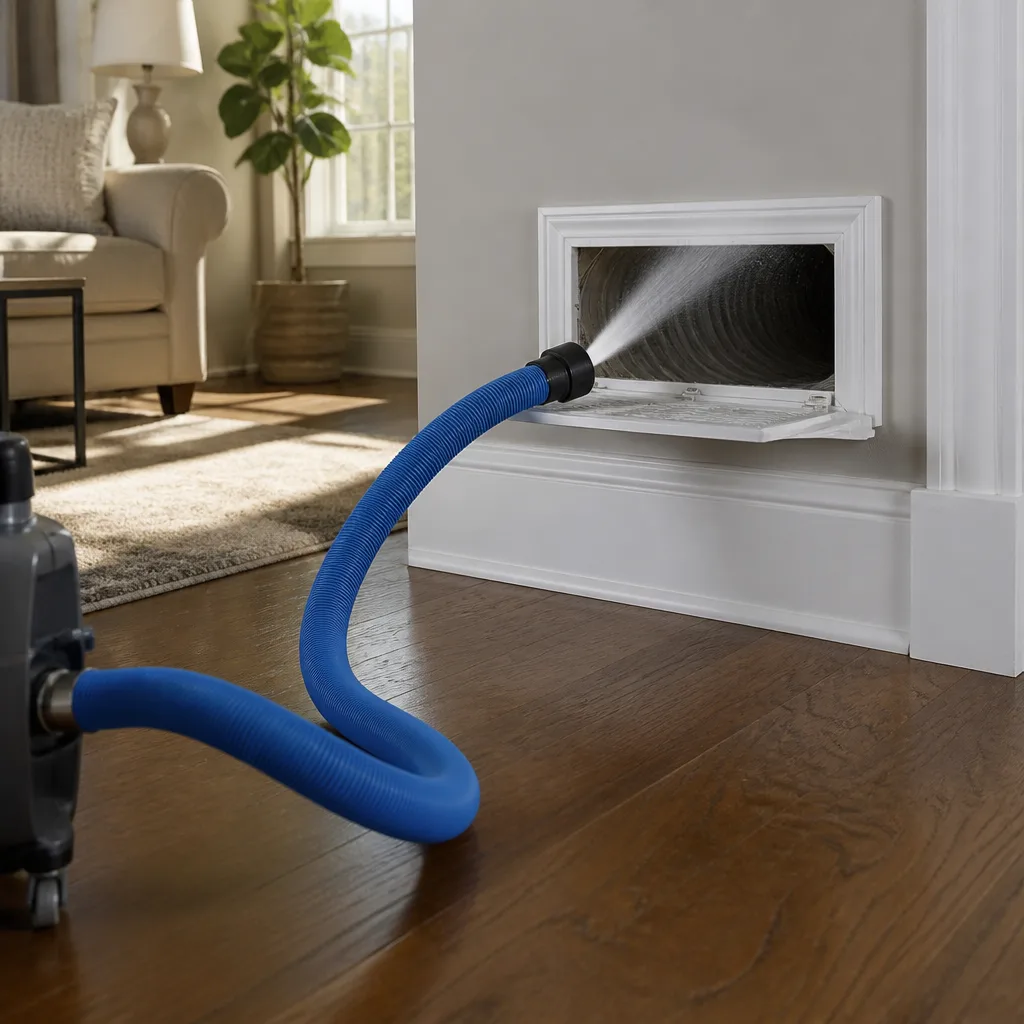 Sanitizing & deodorizing
Whole-system duct and dryer vent check with before-and-after photos - you see exactly what came out of your vents
That "$99 whole-house special" is a bait ad - the real number appears once they are in your hallway, or the "clean" is a shop-vac at the register. We photograph the inside of your ducts before and after instead.
Air Duct Cleaning Warning Signs: A Lakewood Homeowner’s Reference Guide
Visible dust streaking the supply registers is one of the last warning signs to appear, not the first. By the time you can see accumulation on the grille, your system has likely been redistributing contamination through the same ductwork for a full heating or cooling season. The signals that actually matter are mostly invisible and odorless: a bedroom that runs cold, a filter that clogs faster than it used to, a slight musty edge in the air when the furnace kicks on. This guide covers what each sign points to, how to separate the ones worth monitoring from the ones that need a call today, and how a duct system behaves in Lakewood specifically.
Quick Answer
In Lakewood homes, the first reliable warning signs of a duct-cleaning need are rising utility bills without a change in habits, filters loading faster than normal, uneven room temperatures, and allergy symptoms that flare with HVAC run time rather than outdoor conditions. Visible dust on registers, musty odors, and corroded or disconnected duct sections are later-stage indicators that usually mean cleaning alone won’t fix the problem. If you notice any three of the early signals together, it’s worth a professional inspection.
Styles & brands we work with
- Whole-home duct cleaning
- Dryer vent cleaning
- Camera inspection
- Sanitizing & deodorizing
Table of Contents
- Why Most Duct Warning Signs Are Invisible
- The Early Indicators: Bills, Filters, and Room Temperatures
- Odor Diagnostics: Musty, Burning, or Chemical
- Health-Pattern Signals That Track HVAC Run Time
- Structural Signs Inside the Ducts Themselves
- A Triage Framework: Monitor-and-Wait vs. Call-Today
- What Makes Lakewood Duct Systems Different
- Common Mistakes to Avoid
- When to Call a Professional
- Frequently Asked Questions
Why Most Duct Warning Signs Are Invisible
Your ductwork is a closed system. When it’s working the way it should, air moves from the return grille, through the furnace or air handler, and out through supply registers without anyone thinking about it. That’s the design. It’s also why problems inside the system stay hidden for months. Contamination builds up on the interior walls of the ducts, on the blower wheel, on the furnace coil, and inside the flex runs. None of it is visible from your living room. By the time dust appears on a register, the system has been cycling that debris through the entire house for a while.
In our experience working in Lakewood, the visible signs are what prompts the call. The invisible ones are what actually warrant it. There’s a gap between when a duct system needs attention and when a homeowner notices something wrong, and that gap is usually a full season.
Where the Contamination Actually Sits
Most of what you’re breathing through your ducts isn’t clinging to the grilles. It’s accumulated in three places: the return plenum, the flex runs that feed individual rooms, and the evaporator coil on the furnace or air handler. Dust and dander coat the return trunk because that’s where air moves slowest. The flex runs collect debris in the corrugations. The coil becomes a matted surface that traps everything else. None of the three is visible without opening the system up.
What a Duct System Is Doing Right Now
Every time the blower runs, air passes through a system that may have been installed before the home’s current occupants arrived. In Lakewood, plenty of homes were built in the 1970s and 1980s and still have original flex runs behind the drywall. Some have been retrofitted, some haven’t. The interior condition of those ducts is the only variable that matters here, and you can’t assess it from the outside. That’s why the warning signs below focus on observable behavior (bills, filters, comfort, smell) rather than on what you can see on a register.
Duct cleaning gets treated as an annual checkbox, which it isn’t. It’s a maintenance action triggered by evidence. The signs below are that evidence. If you’re already past the evidence stage and just want it handled, our air duct cleaning service covers the full system, not just the registers.
The Early Indicators: Bills, Filters, and Room Temperatures
The first three signals a duct system is compromised are also the ones most often blamed on something else. A rising utility bill gets attributed to rate increases. A fast-clogging filter gets dismissed as a cheap filter. A cold bedroom becomes “that’s just how this house is.” All three are worth reading differently.
Uneven Room Temperatures
If one bedroom runs four or five degrees warmer or cooler than the rest of the house, and it’s the room farthest from the furnace, that’s an airflow problem. Older Lakewood homes often have long duct runs to a rear bedroom or a bonus room over the garage, and those runs lose pressure along the way. Sometimes that’s a design issue. Often it’s a combination of debris in the flex run and a leak at a joint. Air escapes before it reaches the room, so the room never gets its share. A register that puts out weak airflow when the system is running is the most reliable early signal in this category.
Rising Utility Bills Without a Behavior Change
Compare this month’s bill to the same month last year. If the number has climbed and nothing has changed in how you heat or cool the house, the question becomes why. Duct leakage is a common culprit. Air escapes through gaps at joints, at the return plenum connection, and at collapsed flex sections, so the furnace runs longer to reach the thermostat setting. Debris on the evaporator coil does the same thing from the other direction: restricted airflow means the coil can’t transfer heat efficiently. Neither of these is visible, and both show up on the bill before they show up anywhere else.
Filter Loading Frequency
This is the easiest signal to track because it’s measurable. Note the date every time you change the filter. If a filter that used to last three months is now gray by the sixth week, the system is moving more particulate than it should. The filter is doing its job, but it’s working harder because the upstream ductwork is releasing debris into the airstream. A filter that clogs fast is a filter that’s telling you something about the ducts behind it.
The Combined Test
One of these on its own is worth noting. Three together is worth a professional look. Here’s a simple scoring approach:
- Filter check: track two full filter change cycles and note the frequency. If it has shortened noticeably, flag it.
- Room-by-room check: with the system running, put your hand at each supply register and compare the airflow. Note any room that’s noticeably weaker.
- Bill comparison: pull the same month from the prior year and compare usage, not just the dollar total.
- Visual check: pull up the return grille (not the supply registers) and look at the interior of the return plenum with a flashlight. Note any heavy dust mat, debris, or visible debris trails.
If you flag three or more after working through these steps, that’s your answer. If you flag one, keep monitoring it through the next season.
Odor Diagnostics: Musty, Burning, or Chemical
Smell is the most useful diagnostic signal a duct system gives you, and most homeowners don’t know how to read it. Three distinct odors point to three distinct problems, and each one calls for a different response. If you can name the smell accurately when you call, you’ll get better guidance within the first minute.
Musty
A musty, damp, basement-like smell that shows up when the system first kicks on (and fades after a few minutes) points to moisture intrusion somewhere in the system. The most common locations are an unsealed duct connection in a crawlspace, a condensate line that’s not draining properly, or a supply run that passes through an unconditioned space. Lakewood’s dry climate makes this less common than in humid regions, but it’s not unusual in homes with swamp coolers or older evaporative systems that were later converted to refrigerated air. Microbial growth on duct surfaces feeds on that moisture. The fix is to find the source, correct it, and sanitize the affected duct runs. Cleaning without addressing the moisture will get you six months and then the smell comes back.
Burning
A burning or hot-dust smell when the furnace fires is the one to take seriously. It can mean normal first-of-season dust burning off the heat exchanger, which fades within a day. It can also mean debris is sitting against the heat exchanger, or that the heat exchanger itself has a problem. The distinction matters enough to justify a professional look. Don’t run the system to “see if it goes away” if the smell is persistent or if it’s accompanied by any other symptom. Shut the furnace down and get it checked.
Chemical
A sharp, plasticky, or chemical smell points to off-gassing, and inside a duct system the usual source is insulation that’s breaking down. Older duct board or interior insulation linings can deteriorate over time and release a distinct synthetic odor into the airstream. If the smell is strongest at a particular register, that’s where the failing material is. The fix usually involves replacing that section of ductwork, not cleaning it.
How to Name the Smell When You Call
- Run the fan only (no heat or cool) and note whether the smell appears.
- Note whether the smell is stronger at one register or throughout the house.
- Note whether it fades after the first few minutes of runtime or persists.
- Note whether it’s stronger when the heat runs vs. the AC.
Those four answers will make the first conversation far more useful than “there’s a weird smell.”
Health-Pattern Signals That Track HVAC Run Time
Allergy symptoms have many causes, and we’re not going to tell you your ducts are making anyone sick. What we can tell you is that symptoms which correlate with HVAC run time rather than with outdoor conditions are the pattern most worth investigating. It’s a specific enough correlation that it’s useful.
The Pattern to Look For
Seasonal allergies track the outdoor environment. Pollen counts rise and fall, and symptoms rise and fall with them. If your symptoms instead track the system (worse in the hours after the furnace runs, better on days the system is idle, worse in specific rooms), the trigger is likely coming from inside the system rather than from outside. That’s a duct and HVAC surface issue. Dander, dust, mold spores, and debris accumulations all become airborne when the blower pushes air past them. If the pattern is consistent across a full heating season and symptoms rise with run time, the ductwork is worth inspecting.
What the Inspection Should Include
A proper inspection opens the system: the return plenum, the coil cabinet, and the supply takeoffs. It doesn’t just peek at the supply registers. A professional-grade inspection may also include the blower wheel, which is often the dirtiest hidden surface in the whole system. Our technicians have up to 12 years of experience reading these patterns, and the assessment matters more than the cleaning at this stage. If the assessment comes back clean, you’ve saved yourself a job. If it comes back dirty, you know what you’re dealing with.
What We Don’t Claim
Duct cleaning is not a medical treatment. It removes the accumulation that can contribute to indoor particulate load; it doesn’t cure asthma, and no honest company will tell you it does. What changes is what’s in the air. That’s the variable you can actually control, and it’s worth controlling when the pattern points there.
Structural Signs Inside the Ducts Themselves
Here’s where the conversation changes: some warning signs aren’t about debris at all. They’re about the ductwork itself. A system with a collapsed flex run or a disconnected joint has a contamination problem because it also has a structural problem, and cleaning it without repairing the structure just redistributes the issue.
What to Look For During an Inspection
- Visible corrosion: rust or oxidation on the interior of metal duct runs, usually near a moisture source. Corrosion weakens the duct wall and can release particulate into the airstream.
- Collapsed flex sections: the corrugated runs behind the walls can sag or bunch, cutting off airflow to the room at the end. A room with reduced pressure and no other explanation is often a collapsed flex run.
- Disconnected joints: sections of duct that have pulled apart at the seams, usually at a takeoff or where the duct passes through a joist bay. This is where most of the air leakage in an older system happens.
- Deteriorating interior insulation: older duct board that has broken down on the inside surface and is releasing particles into the airstream.
- Pest intrusion evidence: the same signs a home inspector would flag: droppings, gnaw marks, or visible debris clusters at a joint.
In Lakewood, dry air over many seasons can dry out flex duct joints and seals, which is one reason disconnected sections show up in homes that aren’t otherwise in poor condition. The fix is mechanical, not chemical: the connection gets resealed or the section gets replaced. Then it gets cleaned. Then it stays clean. That’s why we built a separate HVAC cleaning scope around the coil and blower as well as the ducts; the surfaces that create the problem have to be addressed at the same visit as the ducts, or the ductwork just re-contaminates.
Why Cleaning Alone Doesn’t Solve This
A duct cleaning that skips the repair step is treating a symptom. A disconnected joint is going to keep pulling dust from the joist bay into the airstream no matter how many times the ducts get cleaned. This is the reason we offer duct repair and sealing as a distinct service: a system with structural problems needs the structural fix before the cleaning has any lasting value. If a cleaning company tells you cleaning alone will resolve it, that’s worth a second opinion.
A Triage Framework: Monitor-and-Wait vs. Call-Today
Not every warning sign needs a call today. Sorting them correctly keeps you from either ignoring something that matters or paying for an inspection on a system that’s fine. Here’s how we’d think about it.
Call Today
- Persistent burning smell when the heat runs. Shut the system down and call. This is a safety call, not a duct cleaning call.
- Visible mold on a register or inside the return plenum. Moisture source needs to be located and corrected before the season changes.
- Pest intrusion evidence inside the ductwork. Contamination plus the structural damage the pest caused need simultaneous attention.
- System-wide weak airflow at every register. This often points to debris on the evaporator coil or a collapsed trunk, and it’s not a “wait a season” symptom.
- Health symptoms that spike sharply and track the system, especially if they’re new this season.
Schedule in the Next Few Weeks
- Musty smell that appears at startup and fades. Worth a look, not an emergency.
- One cold room with no other symptoms. Often a duct design or a single damaged flex run.
- Visible dust on supply registers with no other signal. That’s the late-stage check on a system that needs professional cleaning.
- A filter cycle that has shortened noticeably over two changes.
Monitor and Wait
- A single rising utility bill with no other signal. Watch one more billing cycle.
- One filter that clogged fast after a renovation. Construction dust is real, and it clears.
- Seasonal symptoms that track outdoor pollen, not the HVAC. That’s a different problem.
Three early signals together move you from “monitor” to “schedule.” Three late-stage signals together move you to “call today,” because they usually mean the problem is no longer confined to one part of the system.
What Makes Lakewood Duct Systems Different
Some of the duct issues we see most in Lakewood come from the housing stock and climate here rather than from how people run their systems. It’s worth knowing what’s specific to the area before you start diagnosing your own.
The Housing Stock
Plenty of Lakewood homes were built between the 1950s and 1980s. Flex duct was the standard material for that era, and a number of those original runs are still in service behind the drywall and in the attic. Original flex degrades over time: the interior liner can begin to break down, the corrugations trap more debris than newer, smoother duct interior, and the joints at takeoffs tend to loosen. In neighborhoods like Belmar, Eiber, and the older blocks around Wadsworth, we see a lot of mid-century systems where the return plenum has never been opened. That’s where the accumulation tends to be heaviest. Homes in the newer developments near Green Mountain and along the western edge often have a different issue: tighter construction and a sealed envelope that concentrates whatever the duct system produces.
The Climate
Lakewood sits at elevation with a dry climate and cold winters. That combination means the furnace runs a lot, and it runs with the windows closed. The ductwork in a Lakewood home spends most of the year as the only path the air has between the furnace and the rooms. Humidity swings in spring and fall move the system between very dry and briefly damp, and that cycling is what stresses the seals and joints over a season. If you’re on the western side of town closer to the foothills, the temperature swings are sharper, and the system cycles more. All of that adds up to more wear on the ductwork than the same house would see in a mild climate.
Why This Matters for Warning Signs
A filter cycle that shortens in a Lakewood home is likely pointing at original flex runs holding onto debris. A cold room in a Lakewood home is often a collapsed section of that same original flex. A musty smell is less likely here than in a humid region, but when it does appear it usually means a specific moisture source needs to be found rather than that the climate is doing it. This is what we mean by “clean ducts, sealed ducts, safe ducts”: each of Lakewood’s specific problems calls for a different part of the service, and it’s usually more than one at once.
Common Mistakes to Avoid
- Judging the system by the registers. Supply registers are the last place dust shows up, not the first. If you’re using visible dust as your only signal, you’re running a full season behind.
- Assuming a dark filter means the ducts are the problem. A clogged filter can also mean the filter is just doing its job. Track the interval across two changes before you decide the ducts are the cause.
- Calling the cheapest quote. A quote that beats every other quote by a wide margin is usually a quote for a different service: a shop vac pass over the registers, not a full-system cleaning. The ducts come out looking no different and the problem is still there.
- Skipping the inspection. Cleaning without inspecting is cleaning blind. If the technician hasn’t opened the return plenum and the coil, they don’t know what they’re cleaning.
- Treating a burned smell as a duct issue. A burning smell when the furnace fires is a heating-system call first. Get the heat exchanger checked before booking cleaning.
- Cleaning a system with structural problems. A collapsed flex run or a disconnected joint will recontaminate the ducts within a season. Repair and sealing need to happen in the same visit as cleaning.
- Ignoring the dryer vent. Clogged dryer vents are a leading cause of residential fires, and they’re in the same home as the ducts. If you’re already having the system looked at, the dryer vent cleaning is a fire-safety service, not an optional add-on.
When to Call a Professional
Any single late-stage sign is enough: visible mold, pest evidence, burning smell, or system-wide weak airflow. Any three early signals together is enough. Any structural problem found during an inspection is enough. And any home entering a heating season with no record of the ducts ever being cleaned and a shortened filter cycle is enough to warrant a call. You don’t need an emergency. You need evidence, and the list above gives you plenty to look for.
Air Duct Cleaning Lakewood Pros offers free estimates in Lakewood. We use professional-grade equipment from Rotobrush, Nikro, and Abatement Technologies rather than a shop vac, and the visit covers cleaning, inspection, and repair and sealing if those are needed. Call (844) 625-7378. We answer 24/7. Fast dispatch from 7am to 7pm, Sunday through Friday.
Frequently Asked Questions
A filter that starts clogging faster than usual is typically the earliest measurable sign, followed by weak airflow at one or more registers. Filter loading is easy to track and doesn’t depend on noticing a smell or a difference in comfort. If you can’t put a number on your filter cycle, start noting it now.
There’s no fixed year count, despite what you may have heard. Cleaning should be evidence-driven: filters loading faster than normal, one or more rooms running cold, musty odors at startup, or a visible accumulation inside the return plenum. In a Lakewood home with original flex duct from the 1970s or 80s and no service on record, that evidence usually shows up sooner than the homeowner expects.
Pricing is set per job by the written estimate, not by a per-vent formula, and the estimate is free. A whole-system cleaning is not a coupon price, and a quote that comes in far below the rest should be a flag. Call (844) 625-7378 for an exact quote.
Because they’re priced for a different service. The low numbers usually reflect a shop-vac pass at the registers without opening the return plenum, the coil, or the supply takeoffs, and without professional-grade equipment to agitate and extract what’s inside the ducts. You get what’s actually being performed, which isn’t a full system cleaning. Ask every company what equipment they’ll use and what they’ll open. Call (844) 625-7378 for a straight answer on what our visit covers.
You should get before-and-after photos, an inspection report describing what was found in the system, and a written summary of what was cleaned. If a company won’t show you photos of your own ducts, ask why. The evidence is part of the job, not a courtesy.
Not always. A cold room often points to a collapsed flex section or a design issue that needs repair, not just cleaning. A musty smell points to a moisture source that has to be found and corrected. Cleaning is the right first step but the wrong only step. Call (844) 625-7378 and we’ll diagnose first, then recommend.
See the difference
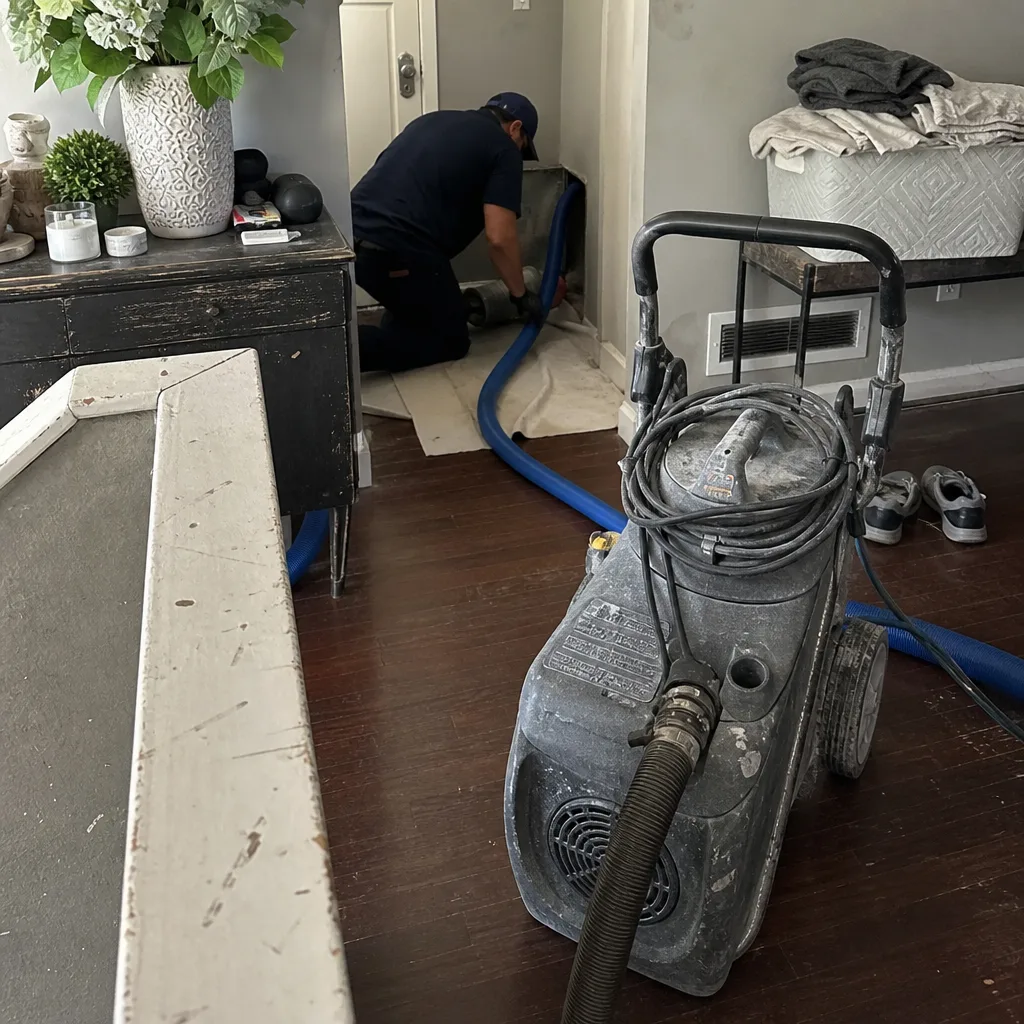 Before
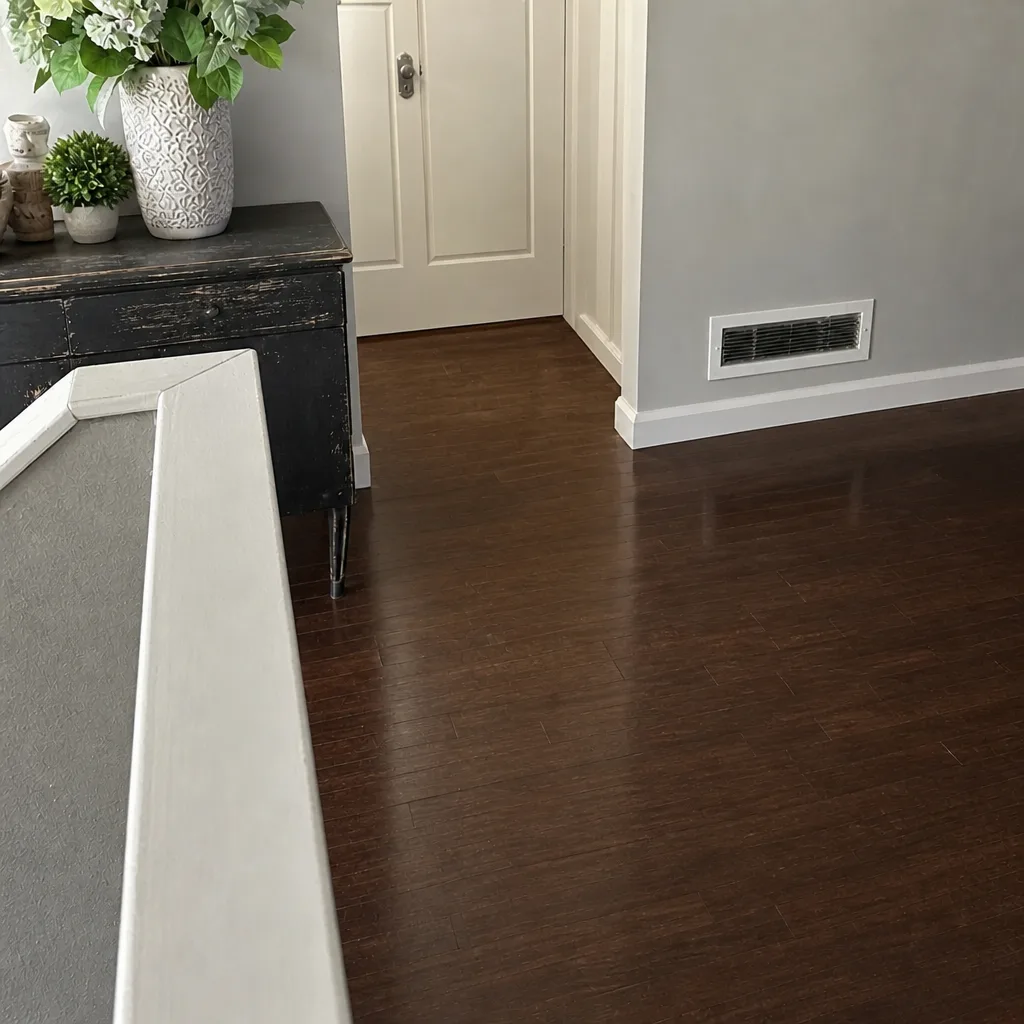 After
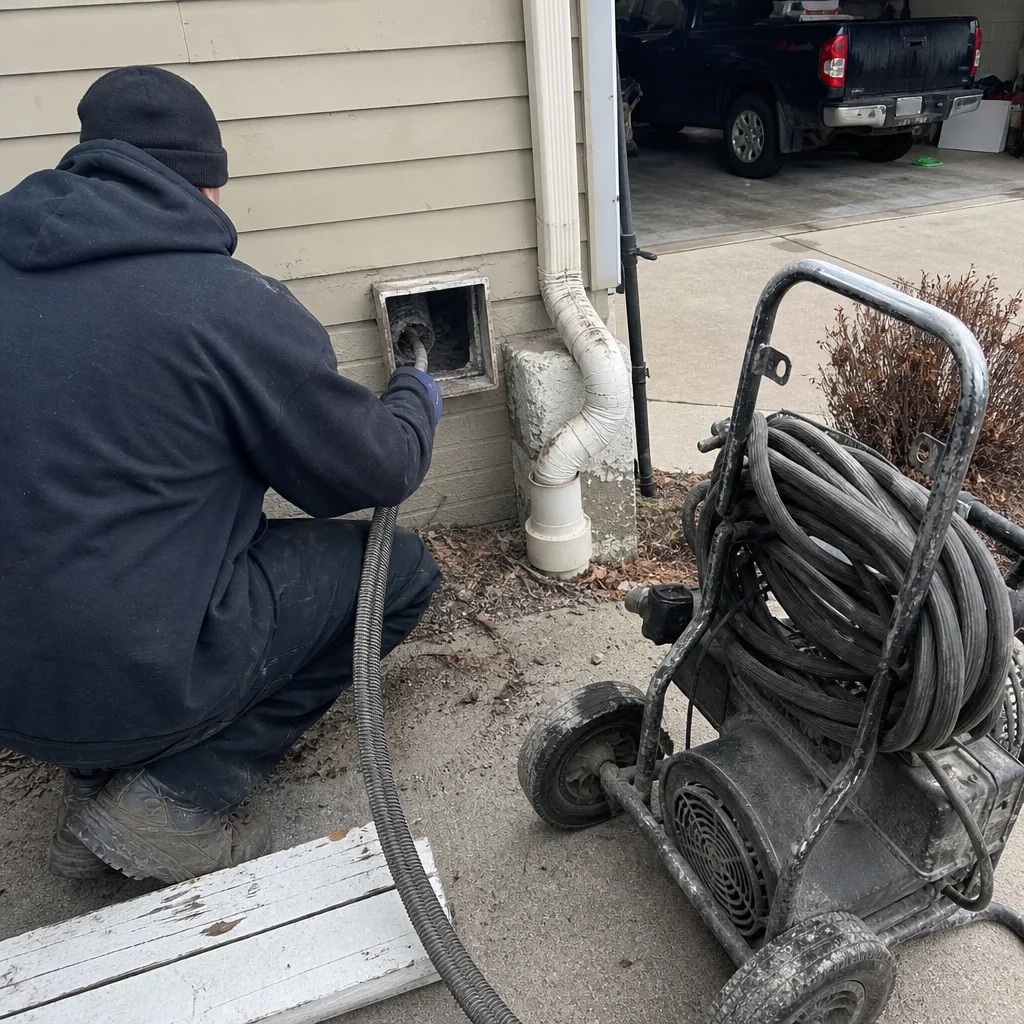 Before
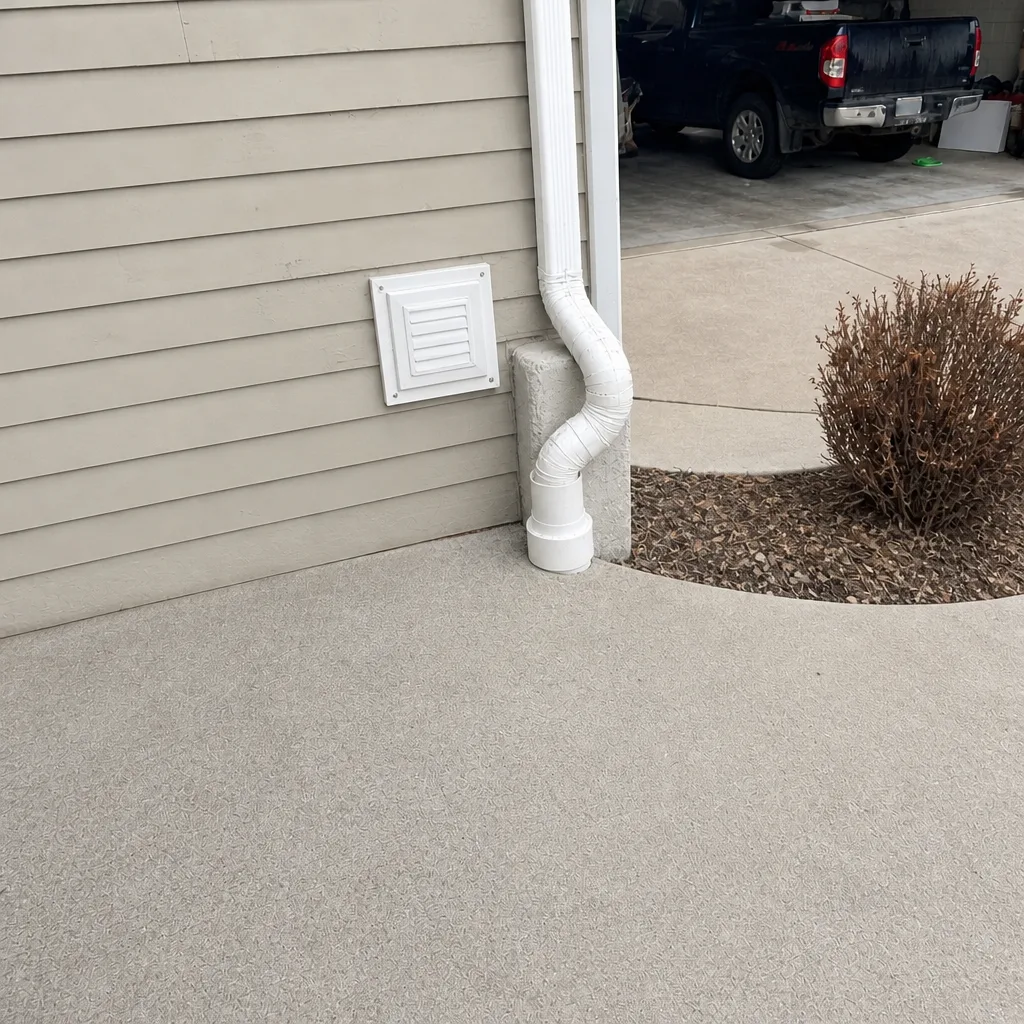 After
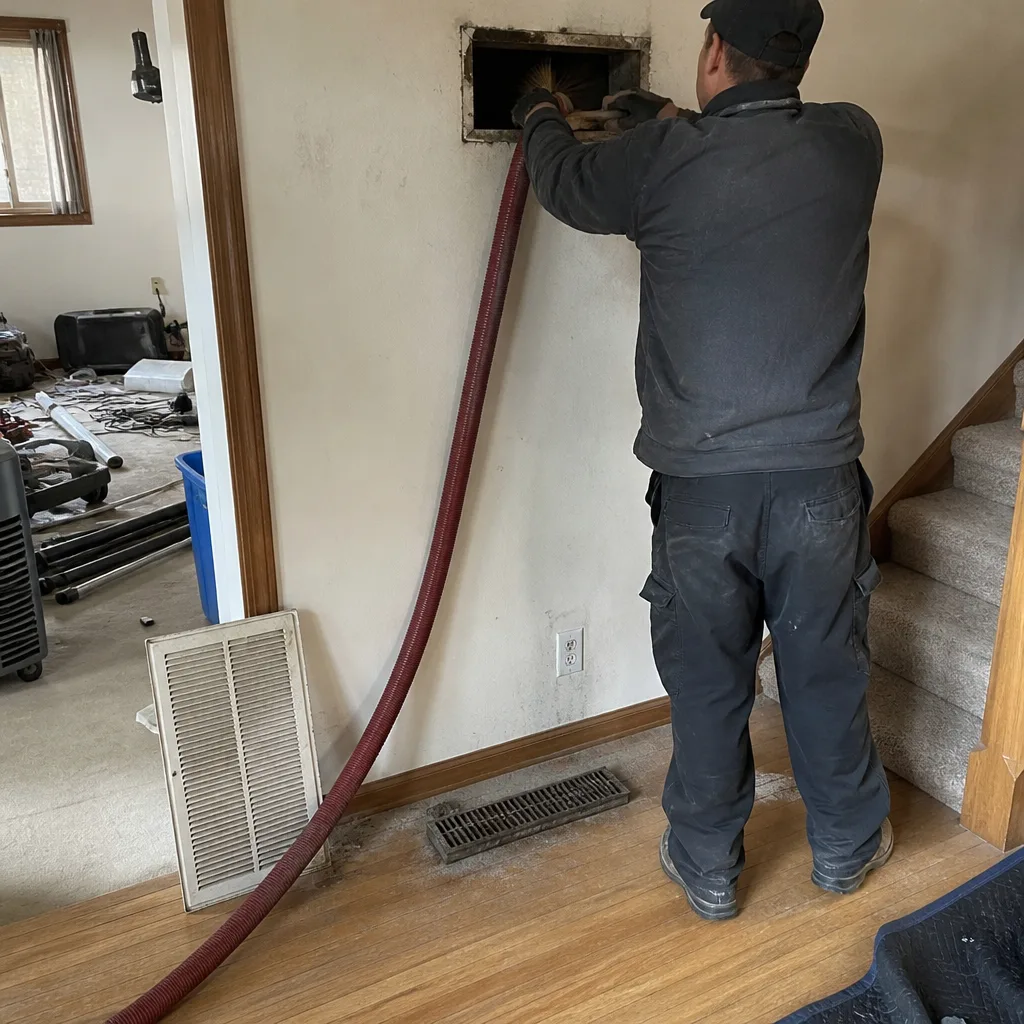 Before
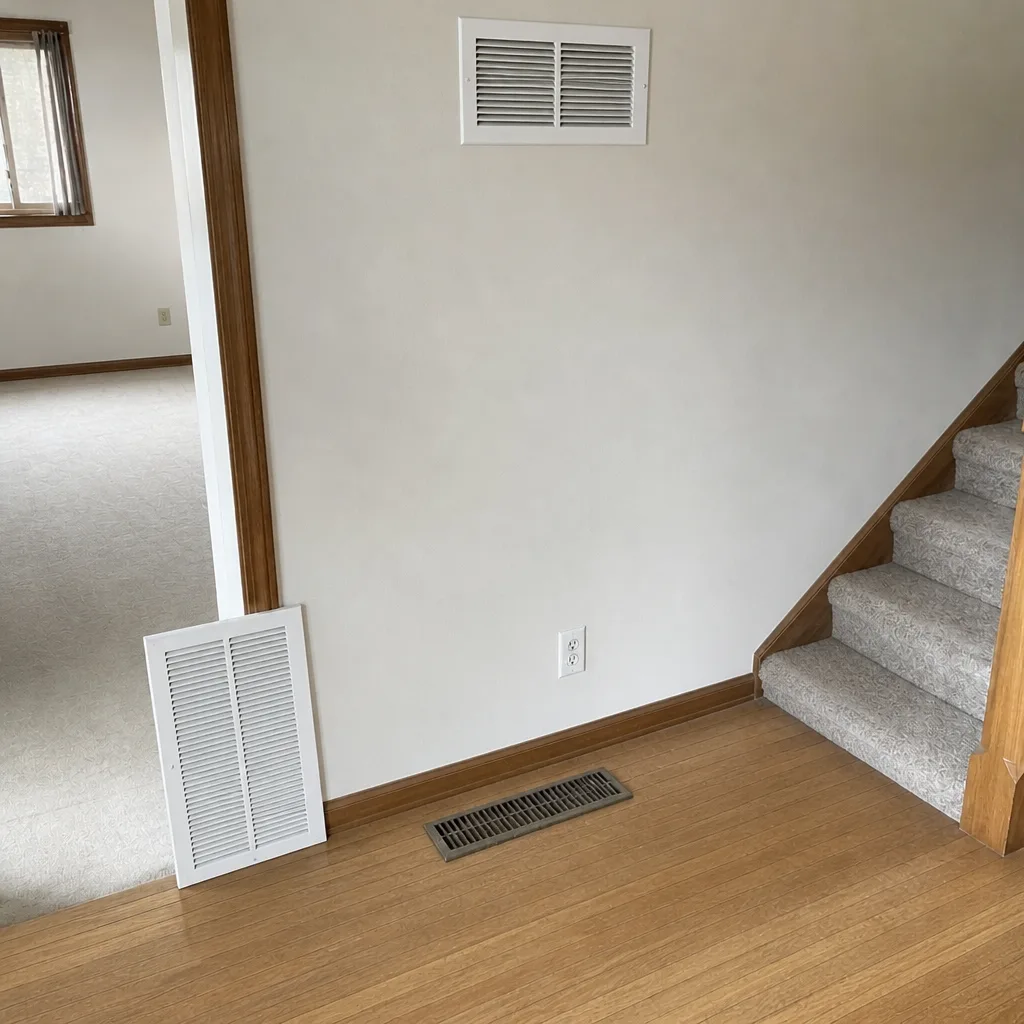 After
The Bottom Line
The warning signs that matter most in a Lakewood duct system are the ones you measure and smell, not the ones you see: filter cycles, room temperatures, HVAC-run-time symptoms, and any change in how the air smells when the system kicks on. Visible dust on the registers is the late signal. A filter that clogs twice as fast, a back bedroom that never warms, and a musty edge at startup are the early ones. When three or more stack up, it’s time for a professional inspection, and the inspection should lead to cleaning, repair, or both. Our Air Duct Cleaning Lakewood Pros team can work through all of it in one visit.
Contact Us
If you’ve worked through the signs in this guide and want a straight answer on what your system needs, call (844) 625-7378 for a free estimate. We answer 24/7. Fast dispatch from 7am to 7pm, Sunday through Friday; we’re closed on Saturday. One flat price per system agreed before work starts, before-and-after photos of your own ducts, and a written estimate that sets the final price.
Written by the team at Air Duct Cleaning Lakewood Pros.