
Last updated November 25, 2026
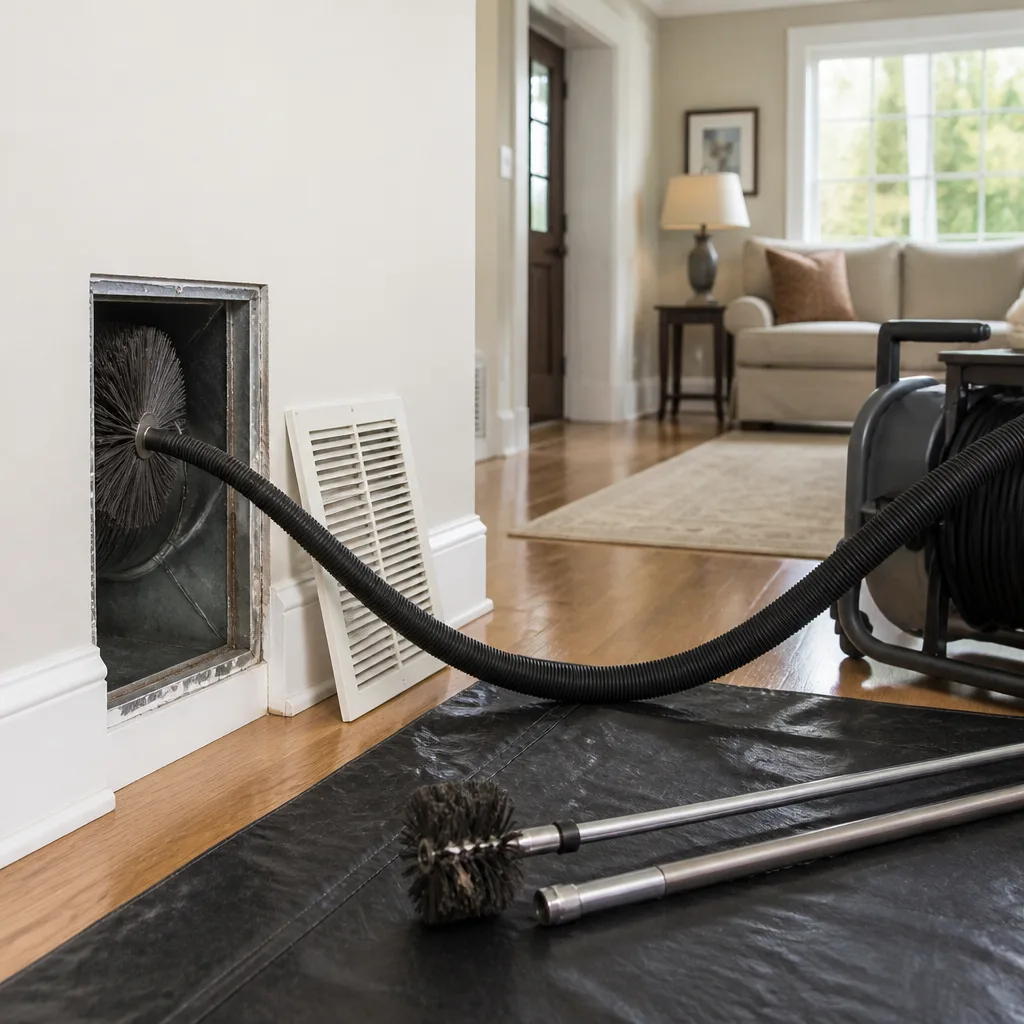 Whole-home duct cleaning
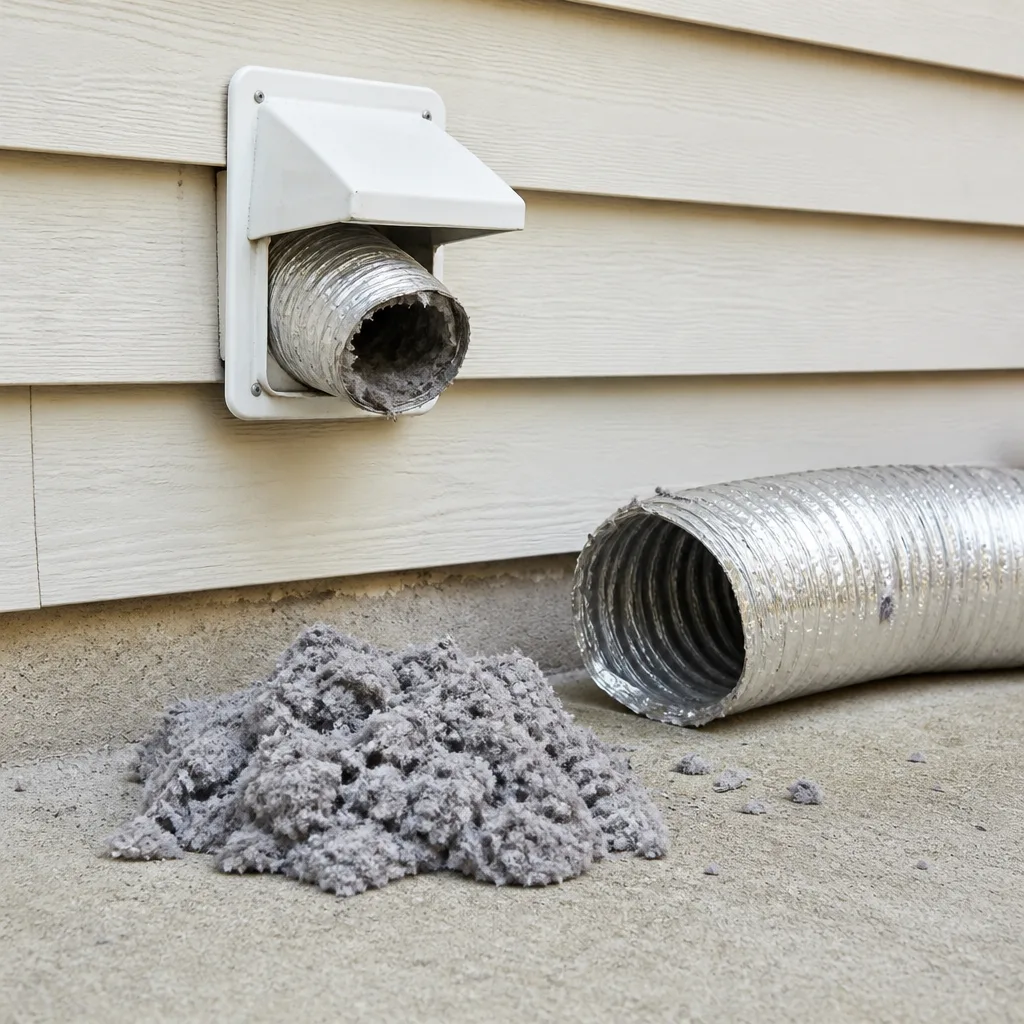 Dryer vent cleaning
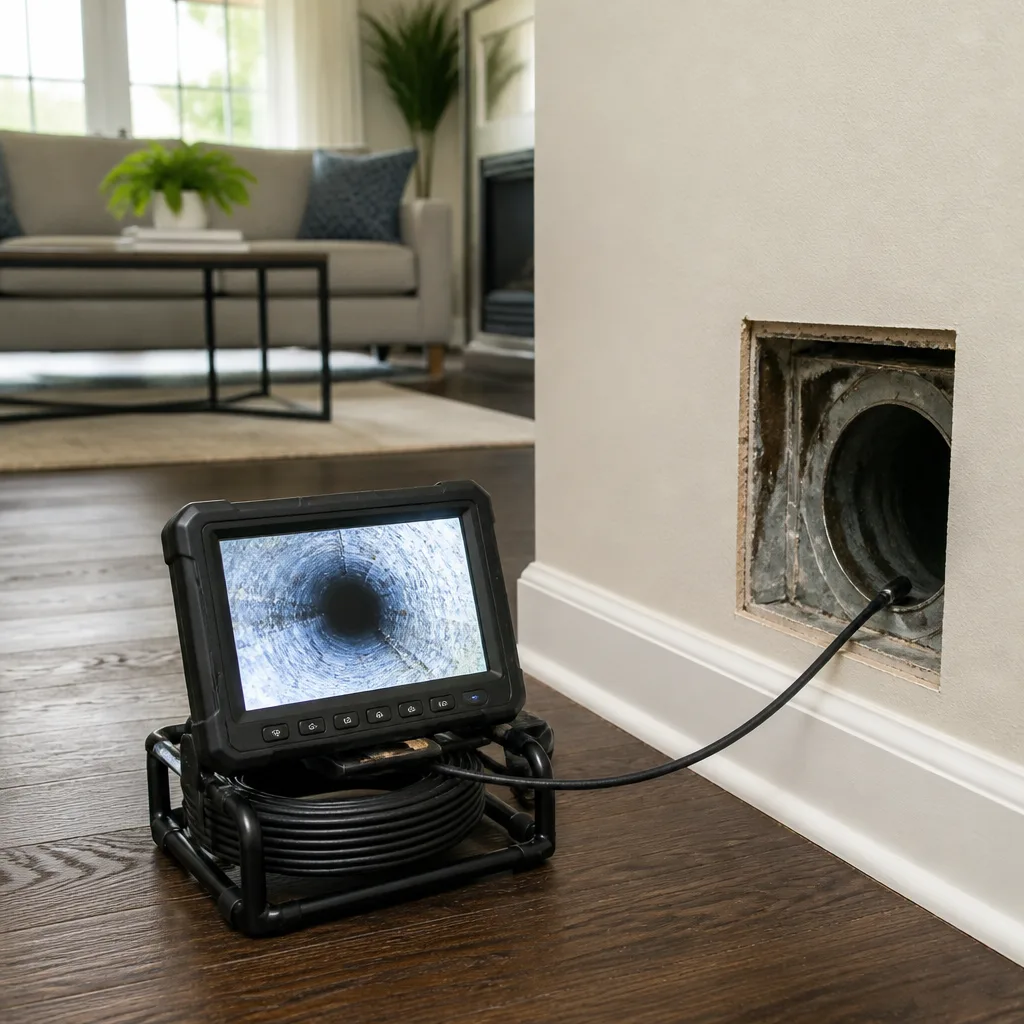 Camera inspection
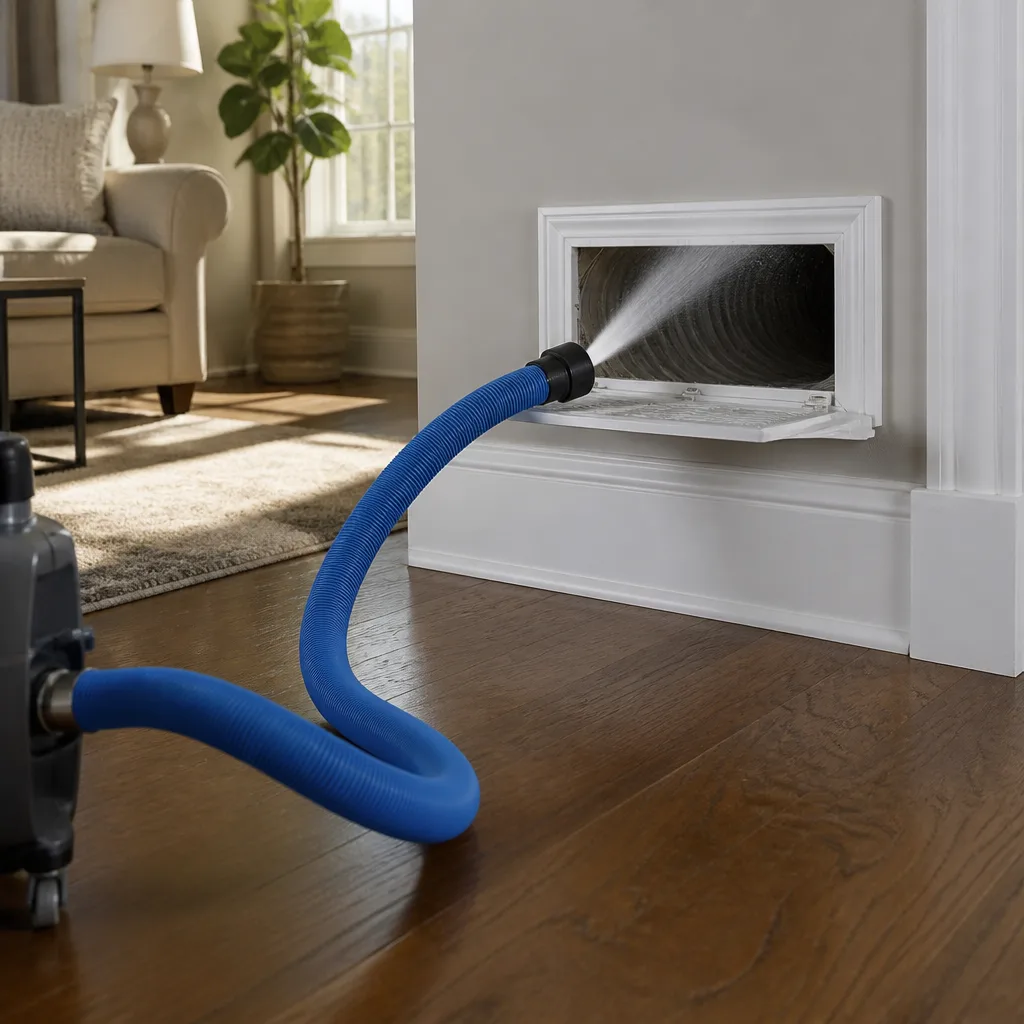 Sanitizing & deodorizing
Whole-system duct and dryer vent check with before-and-after photos - you see exactly what came out of your vents
That "$99 whole-house special" is a bait ad - the real number appears once they are in your hallway, or the "clean" is a shop-vac at the register. We photograph the inside of your ducts before and after instead.
Air Duct Cleaning Permits, Codes & Inspections in Lakewood, CO: What You Need to Know
Here’s the part most homeowners never hear: the cleaning itself almost never triggers a permit, but the repair work that a proper job uncovers often does. When a technician pulls out a collapsed section of flex duct, seals a failed trunk connection, or cuts in a new air handler collar during what you thought was a simple cleaning appointment, that crosses from maintenance into mechanical work. In Lakewood, that means Jefferson County mechanical permit territory, whether anyone brings it up or not. This guide walks through where the line sits, what the code says about older homes and asbestos-wrapped duct insulation, how sanitizing products are regulated, and what documentation protects you at resale or when you file a claim.
Quick Answer
Air duct cleaning by itself generally does not require a permit in Lakewood. However, any work that modifies ductwork, replaces duct sections, alters an air handler connection, or changes the HVAC system’s configuration likely requires a mechanical permit from the City of Lakewood through Jefferson County. Applied antimicrobial or sanitizing products used inside ductwork must be EPA-registered for that use. If a contractor won’t discuss permits and inspection, that’s a signal worth noticing before you sign.
Styles & brands we work with
- Whole-home duct cleaning
- Dryer vent cleaning
- Camera inspection
- Sanitizing & deodorizing
Table of Contents
- Where duct cleaning ends and mechanical work begins
- What Jefferson County permit requirements actually cover
- Colorado indoor air quality rules and sanitizing products
- Pre-1978 homes and asbestos-wrapped duct insulation
- The inspection sequence a permitted duct repair must pass
- What a contractor’s documentation package should contain
- How permit records protect you at resale and on insurance claims
- Lakewood context: climate, housing stock, and real-world duct conditions
Where duct cleaning ends and mechanical work begins
Duct cleaning is a maintenance activity. Mechanical work is a construction activity. The two get confused because in a real Lakewood home, they happen in the same visit. When our technicians start air duct cleaning, they routinely find problems that fall on the other side of that line: crushed flex runs under a floor joist, disconnected wye fittings inside a wall cavity, seams taped with material that has long since lost adhesion. Cleaning those without correcting the underlying failure means the dust just comes back. Correcting them means structural modification of a mechanical system.
The general rule in Colorado is that routine maintenance does not require a permit, while alteration, replacement, and new installation usually do. That’s a broad statement, and the specifics depend on scope and on your local building department’s interpretation, so a homeowner should always confirm the requirement with the City of Lakewood before work starts. What typically crosses into permit territory:
- Replacing a length of rigid or flex duct, not just cleaning it
- Cutting a new opening in a plenum, trunk, or air handler cabinet
- Relocating a supply or return register
- Changing the size of a duct run, which alters system static pressure
- Modifying the connection at the air handler, furnace cabinet, or evaporator coil
- Installing a new balancing damper in a trunk line
Note what’s not on that list: sealing existing seams, taping accessible joints, cleaning the coil, or using a contact-cleaning system to agitate and extract debris. Those are the heart of a proper cleaning, and they don’t need a permit. The confusion in Lakewood comes from companies that perform repair work without mentioning it, leaving the homeowner with a modified system and no paper trail. This is why we treat HVAC cleaning and duct repair as two distinct conversations with the customer before either begins.
What Jefferson County permit requirements actually cover
Permits for mechanical work inside Lakewood are administered through the City of Lakewood, which uses the adopted mechanical code framework shared with Jefferson County. What that means practically is that a licensed mechanical contractor pulls a permit, schedules inspections, and closes the permit out with the city when the job is complete. The permit is not a tax on your project; it’s the legal trace of a construction activity regulated for safety and code compliance.
Here’s what a mechanical permit generally covers when duct repair is involved:
- The scope of work, described in writing, with drawings or marked-up plans showing what’s being changed
- The responsible licensed mechanical contractor’s name and license information
- Required inspections at specific stages of the work
- A final inspection and sign-off once the work is complete
For duct replacement that’s substantial enough to change airflow characteristics, expect the inspector to look at duct sizing, support, sealing, and proximity to combustibles. For smaller repairs, the inspection may be a single visit. Either way, the permit exists so that the work has been reviewed against the same standards for every homeowner in Lakewood.
What homeowners sometimes miss: permits apply to the property, not the contractor. If your contractor skips the permit, the record gap follows the house. When you sell, a buyer’s inspector may flag the modified ductwork. And because the permit was never pulled, the title search shows no corresponding mechanical work, which raises questions during negotiations that could have been avoided entirely.
Colorado indoor air quality rules and sanitizing products
Colorado doesn’t regulate duct cleaning as a standalone trade, but it does regulate what’s put into the air stream. Any antimicrobial, sanitizing, or antimicrobial-adjacent product applied inside ductwork must be registered with the U.S. Environmental Protection Agency under the Federal Insecticide, Fungicide, and Rodenticide Act (FIFRA) for the specific use inside HVAC systems. That’s the legal foundation, and it matters because a lot of products on the market are approved for surface disinfection, not for application to duct interiors.
When our Air Quality & Sanitizing service is part of a job, we use Honeywell and Aprilaire products that meet the registration requirement, and we don’t fog a system with anything that isn’t labeled for HVAC interior use. Three things to check before any sanitizing step:
- Is the product’s EPA-registered label clear that it’s approved for application inside HVAC ductwork, not just as a hard-surface disinfectant?
- Does the label list the correct contact time, and is the technician following it?
- Are building occupants (including pets) kept clear of the work area during application and until the label says it’s safe to return?
The broader Colorado angle is that the state’s air quality regulators have increasingly focused on indoor environments in recent years, and homeowners in Lakewood are asking sharper questions than they did a decade ago about what’s actually sprayed into the ducts they breathe through. We take that seriously. If a contractor can’t show you the product label when you ask, ask why.
Pre-1978 homes and asbestos-wrapped duct insulation
Lakewood’s housing stock includes a substantial number of homes built before 1978, when the federal ban on asbestos-containing building materials took effect. In older homes, duct systems often used asbestos-wrapped insulation at joints, elbows, or the furnace connection. This isn’t a scare tactic; it’s a documented condition of the housing stock, and it changes how any duct work should proceed.
What it means in practice: when a contractor is cleaning or repairing ductwork in a pre-1978 Lakewood home and encounters material that may contain asbestos, the work should stop and the material should be assessed before it’s disturbed. The city is unlikely to require an asbestos survey before routine cleaning, but a mechanical permit for duct modification in a pre-1978 home should trigger the question of whether asbestos-containing materials are present and how they’ll be handled. Licensed contractors should be prepared to discuss this in the scope of work, and responsible ones will flag it before the first tool comes out.
Two things to watch for:
- Insulation that looks like corrugated cardboard or a gray fibrous wrap around an elbow or furnace boot
- Tape or mastic that has hardened and begun to powder, sometimes the same material
If either turns up during a cleaning visit, the right response is a pause and a proper assessment, not a shop vac and a shrug. Our field teams are trained to recognize these materials visually and to stop and report rather than proceed.
The inspection sequence a permitted duct repair must pass
A permitted duct repair in Lakewood typically passes through a recognizable sequence of inspections. The exact steps depend on the scope, so confirm the specifics with the City of Lakewood’s building department before the job begins. A typical sequence looks like this:
- Rough-in inspection. After duct runs are installed or modified but before ceilings, walls, or floors are closed back up. The inspector looks at duct support, materials, sizing, and clearances to combustibles.
- Connection inspection. Focused on how duct sections join the furnace, air handler, or coil. Seams need proper sealing, and flexible connections need to be secured correctly.
- System pressure test (when applicable). Some inspections include a duct leakage test, especially on higher-efficiency systems where leakage affects performance.
- Final inspection. Once everything is installed, sealed, and accessible, the inspector signs off and the permit is closed.
The homeowner’s role in this sequence is simple but important: don’t let a contractor bury new work behind drywall before the rough-in is approved. And keep the signed inspection record with the home’s paperwork. If a repair is completed and the permit never closed, the record gap follows the house, not the contractor.
Timeline expectations vary based on inspection queue, job scope, and city scheduling. The best practice is to build the inspection timeline into the project schedule from the start rather than treating it as an afterthought.
What a contractor’s documentation package should contain
When a permitted duct repair is done correctly, the paperwork is substantial. Here’s what a serious contractor’s documentation package looks like when the job is closed out:
- The permit number and a copy of the closed permit
- Signed inspection reports from each stage
- A written scope of work describing exactly what was modified and why
- Before-and-after photos of the accessible ductwork and the air handler connection
- Material specifications for sealants, tape, and any applied antimicrobials (with the EPA registration number for products used inside the ducts)
- Warranty or workmanship documentation for the repair, if offered
That package matters most when it’s needed later. At resale, when a buyer’s inspector asks about the modified ductwork, you produce the closed permit. On an insurance claim, when the loss involves HVAC components, the documentation shows what was in place. In a dispute over whether work was performed, the before-and-after photos settle it.
This is one reason we insist on photographing the inside of ducts before and after on every job, permitted or not. Cleaning not requiring a permit doesn’t mean you shouldn’t have a paper trail.
How permit records protect you at resale and on insurance claims
In real estate transactions, unpermitted mechanical work creates two problems: disclosure and negotiation leverage. Sellers are typically required to disclose known unpermitted work, and buyers’ agents use that as a negotiating point. In a market like Lakewood’s, where older housing stock is common and HVAC systems have often been touched multiple times, the presence or absence of permit records is a meaningful signal to a buyer’s inspector. A closed permit tells them the work was reviewed by the city. No permit tells them nothing at all, and they’ll price that in.
On insurance claims, the picture is similar. If a claim involves damage related to the HVAC system, your insurer may ask for evidence that work in the affected area was done properly. A closed permit and inspection record provides that evidence. Absent it, the claim may be delayed, denied in part, or negotiated lower.
Two more places documentation earns its keep:
- Home warranties, which sometimes decline to cover repairs on systems with undocumented modifications
- Future service calls, where the next contractor needs to know what was done and how
The permit record is quiet until it isn’t. Get it, and you’ll probably never need to think about it again. Skip it, and the questions always seem to come back.
Lakewood context: climate, housing stock, and real-world duct conditions
Lakewood’s climate shapes what’s inside its duct systems. Long, dry winters and heavy spring pollen loads mean ductwork here collects a fairly specific mix of dust, pollen, and combustion byproducts, and the wide temperature swings between summer and winter put more stress on duct sealed joints than homeowners in milder climates see. The result: seams that were taped decades ago with material never expected to see Lakewood’s freeze-thaw cycle tend to fail sooner than the homeowner expects.
Housing stock matters too. The pre-war homes in older Lakewood neighborhoods often have rigid metal ductwork that’s been modified multiple times over the decades, while mid-century and newer builds lean toward flex duct, which is easy to install but easy to crush. When our technicians run a contact-cleaning system through either, what they find is often a mix of accumulated debris and physical damage that a shop vac couldn’t touch, which is where the repair-and-seal conversation begins.
Our approach uses equipment the trade recognizes: Rotobrush contact-cleaning systems that agitate and extract rather than blow dust around, Nikro negative-pressure equipment that follows the NADCA-recommended cleaning methodology, and Abatement Technologies air-filtration units running on-site to capture dislodged particulates during the work. That’s the difference between a cleaning and an invasive dust event. And when a duct run is compromised, dryer vent cleaning, HVAC cleaning, duct repair, and sanitizing can all be scoped into the same visit so the house isn’t put through the disruption multiple times.
Common Mistakes to Avoid
- Assuming cleaning always needs a permit. It doesn’t. Confirming the requirement with the City of Lakewood before the technician starts is the smart move, not assuming the worst or assuming the best.
- Assuming repair never needs a permit. It often does. If ductwork is being modified, replaced, or rerouted, ask who’s pulling the permit and whether the work will be inspected.
- Accepting a verbal scope. Insist on the repair scope in writing, with what’s being changed described specifically. Verbal scope plus no photos equals no record.
- Skipping the sanitizer question. Ask for the EPA registration number for any product being applied inside the ducts. A contractor who can’t produce it shouldn’t apply it.
- Ignoring pre-1978 housing concerns. In a Lakewood home built before 1978, ask specifically whether the contractor has procedures for encountering possible asbestos-containing duct insulation.
- Letting work be covered before inspection. If the permit requires a rough-in inspection, don’t let drywall, flooring, or insulation close over new ductwork before the inspector has signed off.
- Filing the paperwork somewhere you’ll forget it. Permit, inspection records, product labels, and before-and-after photos belong in the same place you keep the deed, not in a drawer with the takeout menus.
See the difference
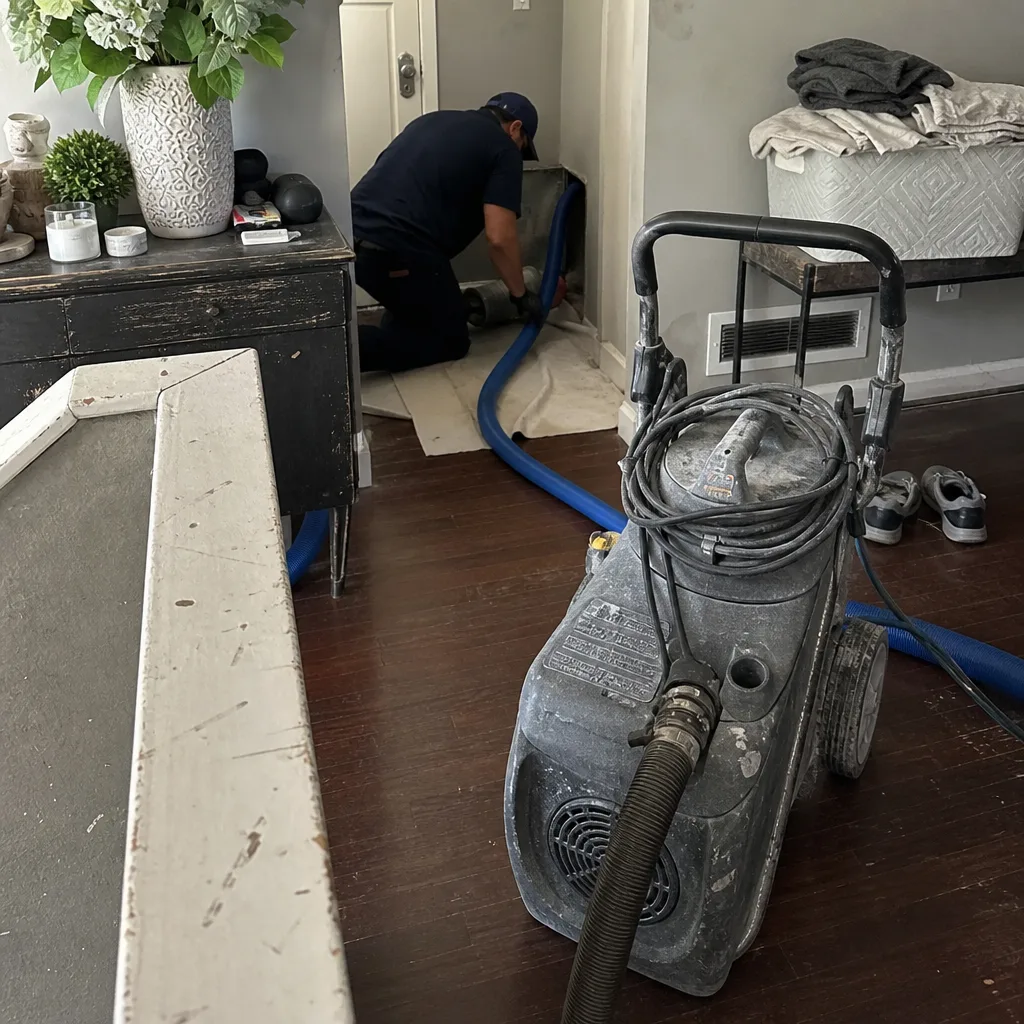 Before
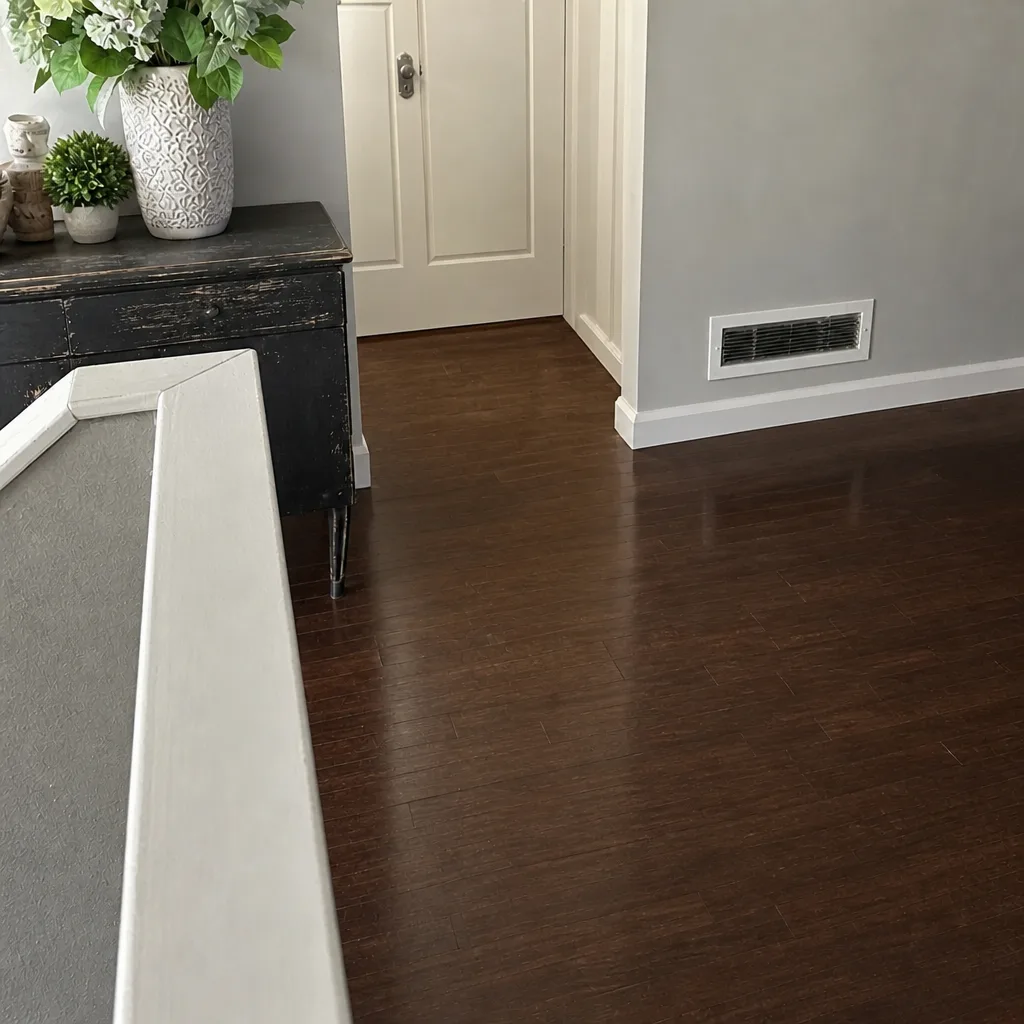 After
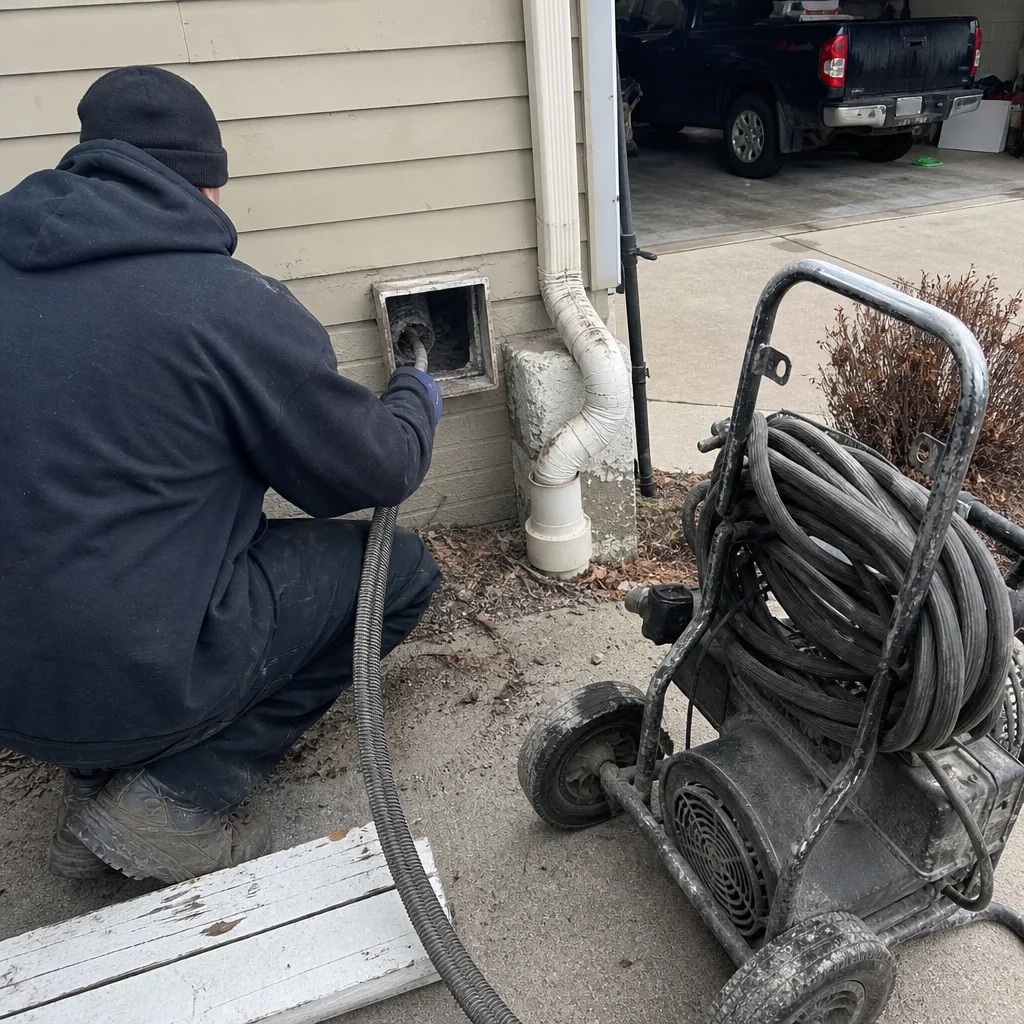 Before
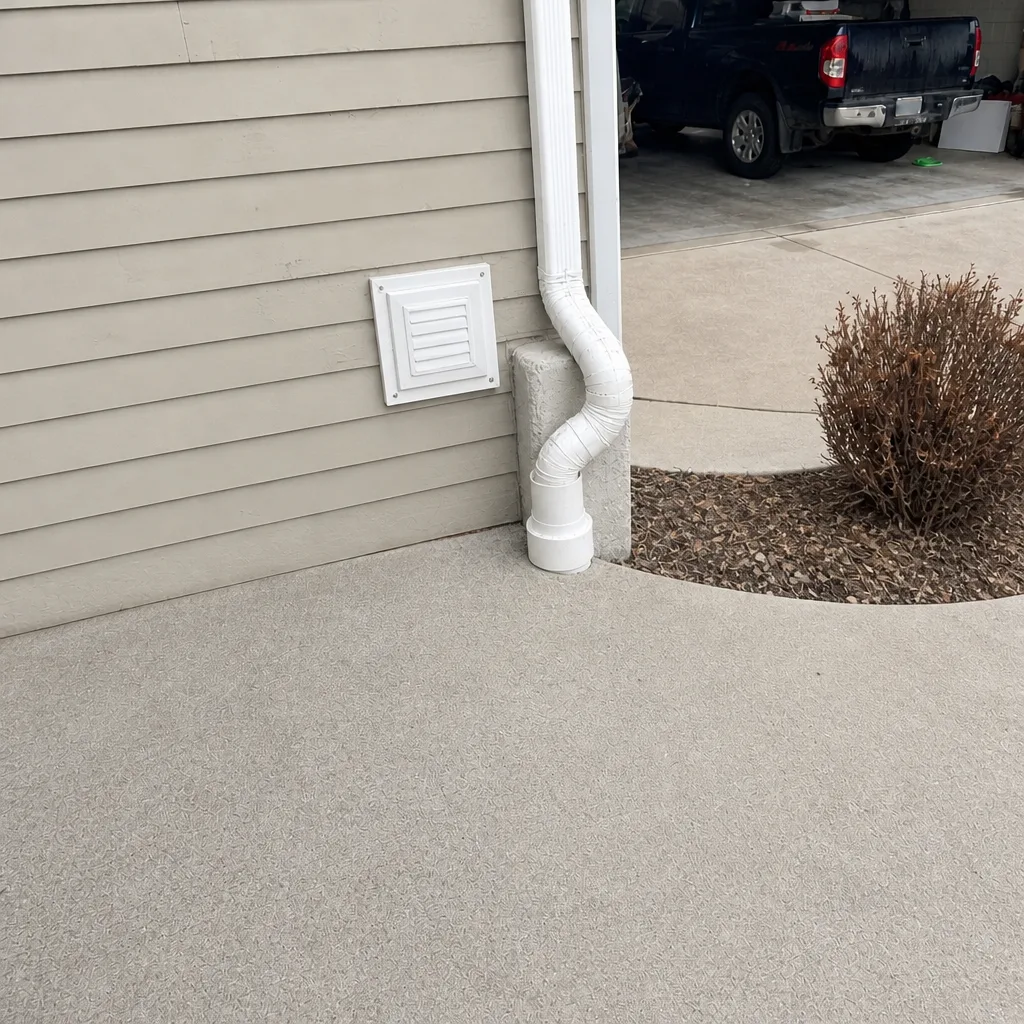 After
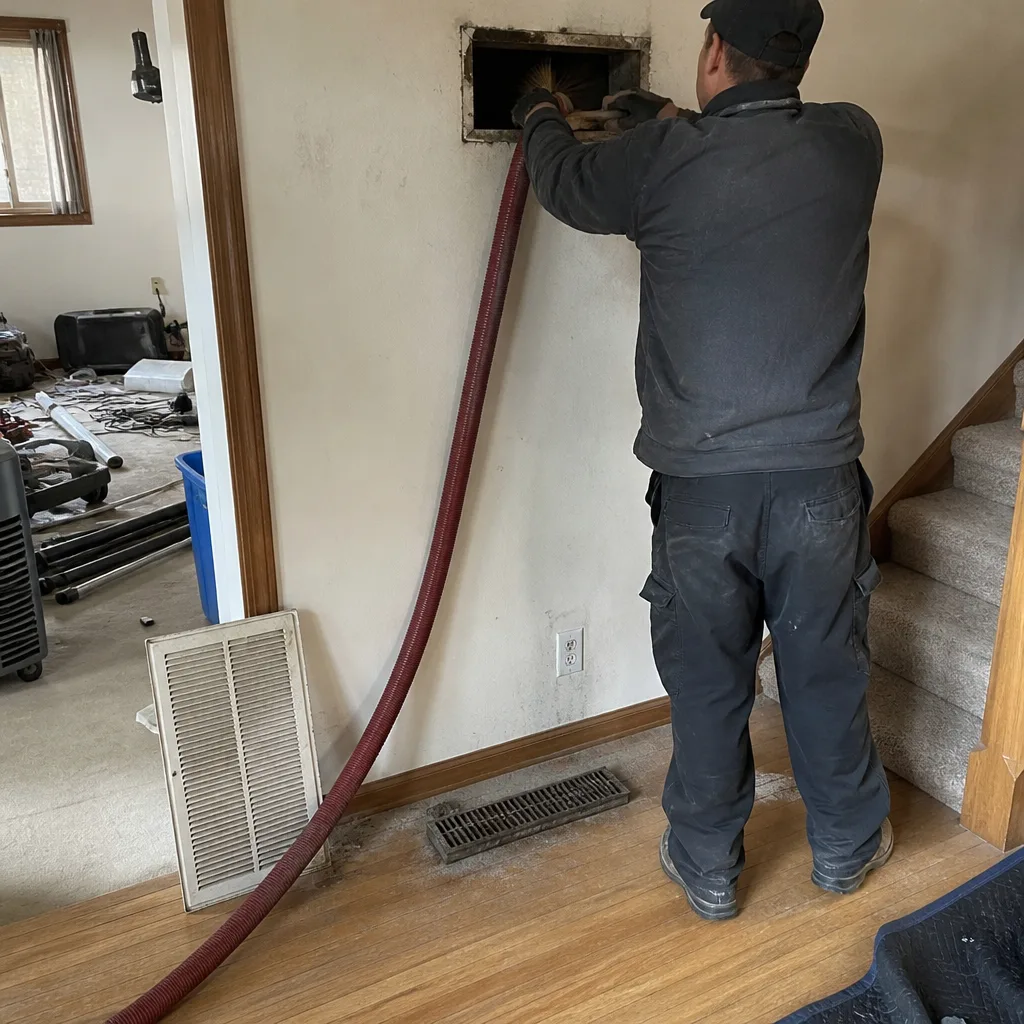 Before
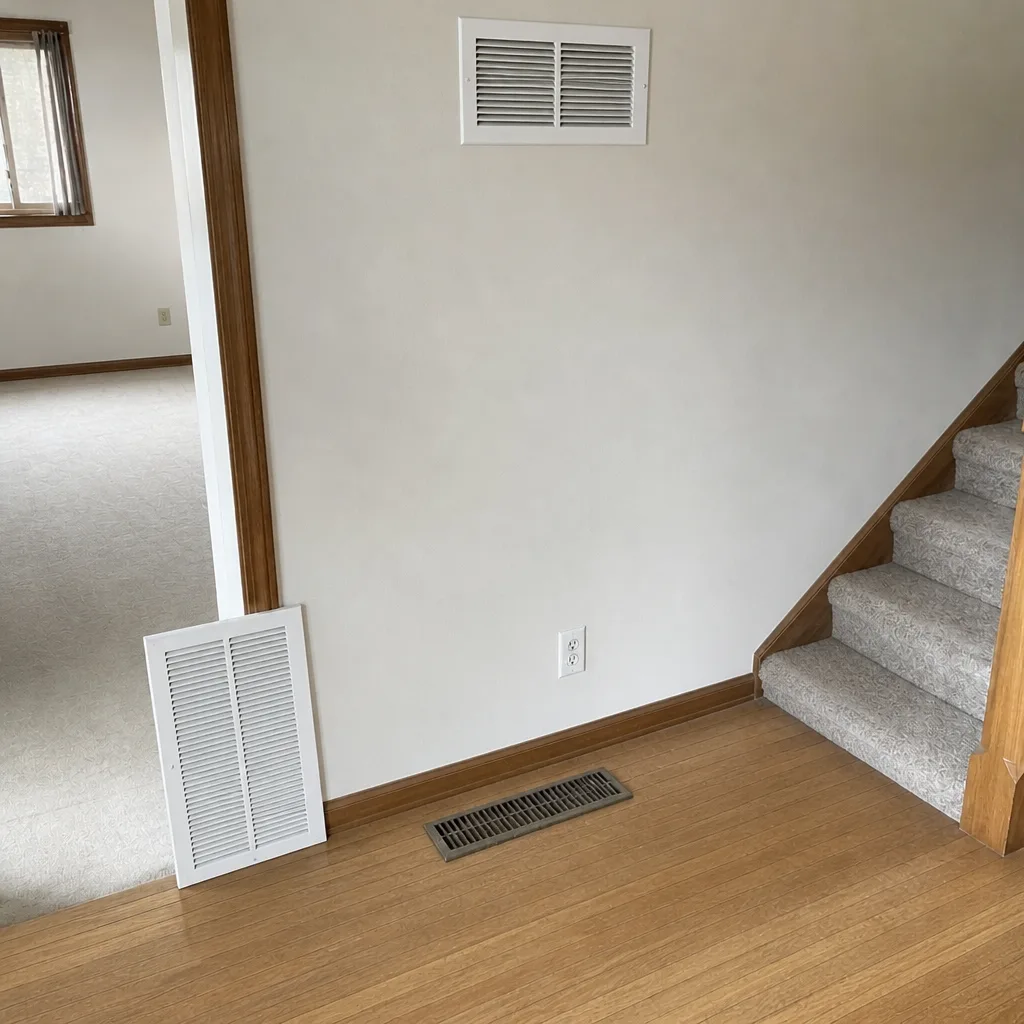 After
When to Call a Professional
Some ductwork questions are simple. Others need a professional with the right equipment and the right paperwork. Call if you’ve noticed reduced airflow after a renovation, musty odors coming from specific registers, visible damage at the air handler connection, a mechanical system that hasn’t been serviced in years, or ductwork modified without documented permits. Call if you’re preparing to sell a Lakewood home and want the current HVAC system documented before the buyer’s inspector gets there. Call if you’re purchasing a Lakewood property and want a professional read on the duct system before close. Air Duct Cleaning Lakewood Pros offers free estimates in Lakewood. Call (844) 625-7378. We answer 24/7. Fast dispatch from 7am to 7pm, Sunday through Friday. The local pro is licensed and insured as their state requires, and you get one flat price per system agreed before work starts, with before-and-after photos of your own ducts.
Frequently Asked Questions
No, routine air duct cleaning does not require a permit in Lakewood. Mechanical permits become relevant when the work crosses into modification, replacement, or rerouting of the duct system, or changes at the air handler connection. Confirm the specific requirement with the City of Lakewood for your project before work begins. Call (844) 625-7378 for a free estimate if you want a professional read on the scope.
Cleaning removes accumulated debris using equipment like contact-cleaning systems and negative-pressure extraction. Repair modifies the physical duct system: replacing sections, altering connections, cutting new openings, or changing the configuration. The second is generally what triggers mechanical permit requirements in Lakewood, and the first typically does not. If a technician proposes “repair” during a cleaning, it’s worth asking whether a permit applies.
Yes. Any antimicrobial or sanitizing product applied inside HVAC ductwork must be registered with the EPA under FIFRA for that specific use. The product label is the legal document that authorizes the application, and it defines contact time and reentry requirements. Ask for the registration number of anything being applied inside your ducts, and don’t accept “it’s professional-grade” as an answer.
Homes built before the federal asbestos restrictions took effect in 1978 may have asbestos-containing insulation at duct joints, elbows, or the furnace connection. If a contractor encounters material that may contain asbestos during duct work, the work should pause and the material should be assessed before it’s disturbed. Licensed contractors should be prepared to discuss this in writing as part of the job scope.
A closed permit and signed inspection records show that work was reviewed against building code by the city. Buyers’ inspectors look for them, home warranties may require them, and insurance adjusters may request them for any claim involving the HVAC system. Without them, the questions that come up at resale or during a claim don’t have easy answers. Call (844) 625-7378 to discuss what documentation your current system should have.
Lakewood’s dry winters, spring pollen, and wide seasonal temperature swings put real stress on duct systems, especially sealed joints that were expected to last decades and don’t. Accumulated dust and pollen combine with failed tape and crushed flex to reduce airflow and efficiency. If you can’t remember the last time your ducts were cleaned or inspected, it’s worth scheduling one. Call (844) 625-7378. We answer 24/7. Fast dispatch from 7am to 7pm, Sunday through Friday.
The Bottom Line
The permit question is never really about the cleaning. It’s about what the cleaning reveals. Lakewood homes, especially in older neighborhoods where ductwork has been modified multiple times, tend to surface repair needs that a shop vac can’t fix. When those repairs are substantial enough to trigger Jefferson County mechanical permit requirements, the paperwork that rules follow is what protects you at resale, during an insurance claim, and in any future service call. The best move is to confirm the requirement with the City of Lakewood before any work begins, ask for the product registration numbers of anything applied inside the ducts, and insist on before-and-after photos plus a written scope on every job. For anything beyond routine cleaning, call in a professional with the right equipment and the right documentation.
Ready for a professional duct assessment on your Lakewood home? Call Air Duct Cleaning Lakewood Pros at (844) 625-7378 for a free estimate. We answer 24/7. Fast dispatch from 7am to 7pm, Sunday through Friday. Visit the Air Duct Cleaning Lakewood Pros homepage to see the full range of services, from cleaning to repair, sealing, and sanitizing.
Written by the team at Air Duct Cleaning Lakewood Pros.