
Last updated November 25, 2026
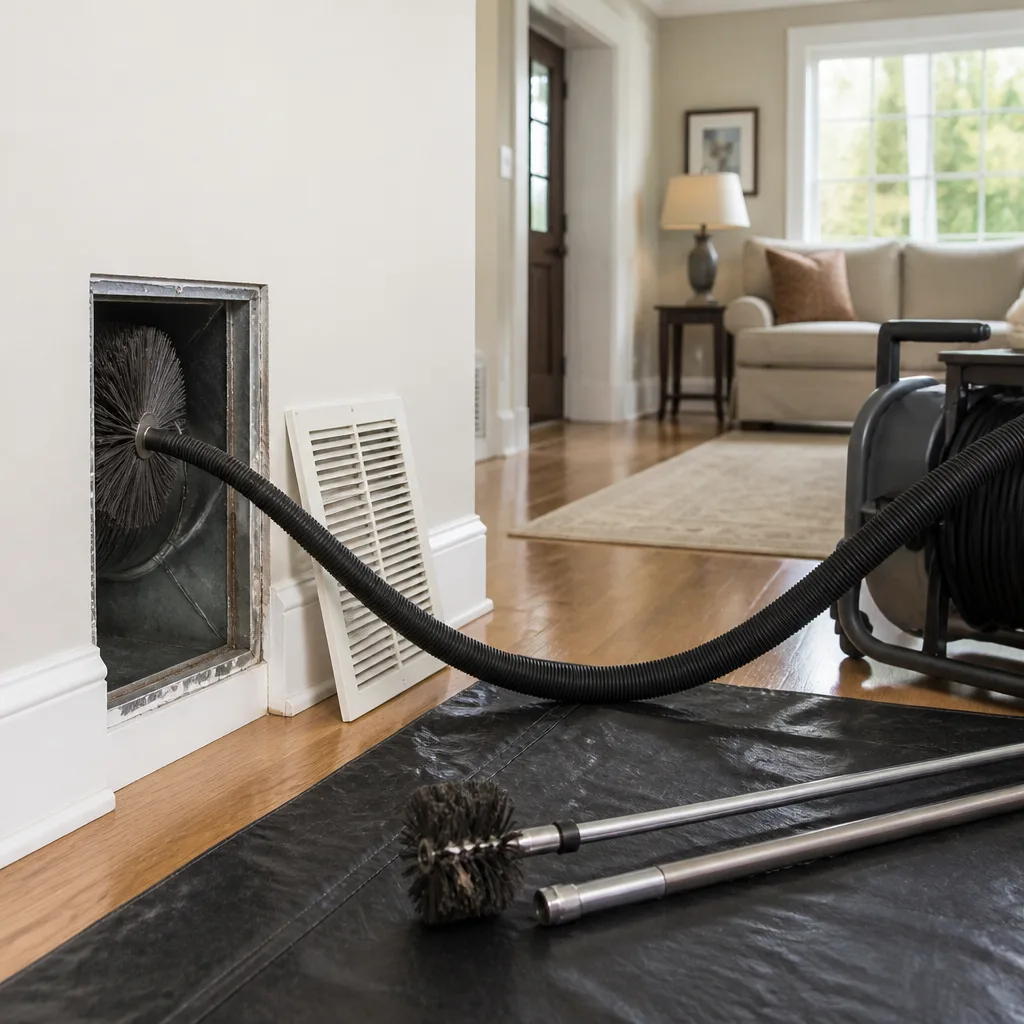 Whole-home duct cleaning
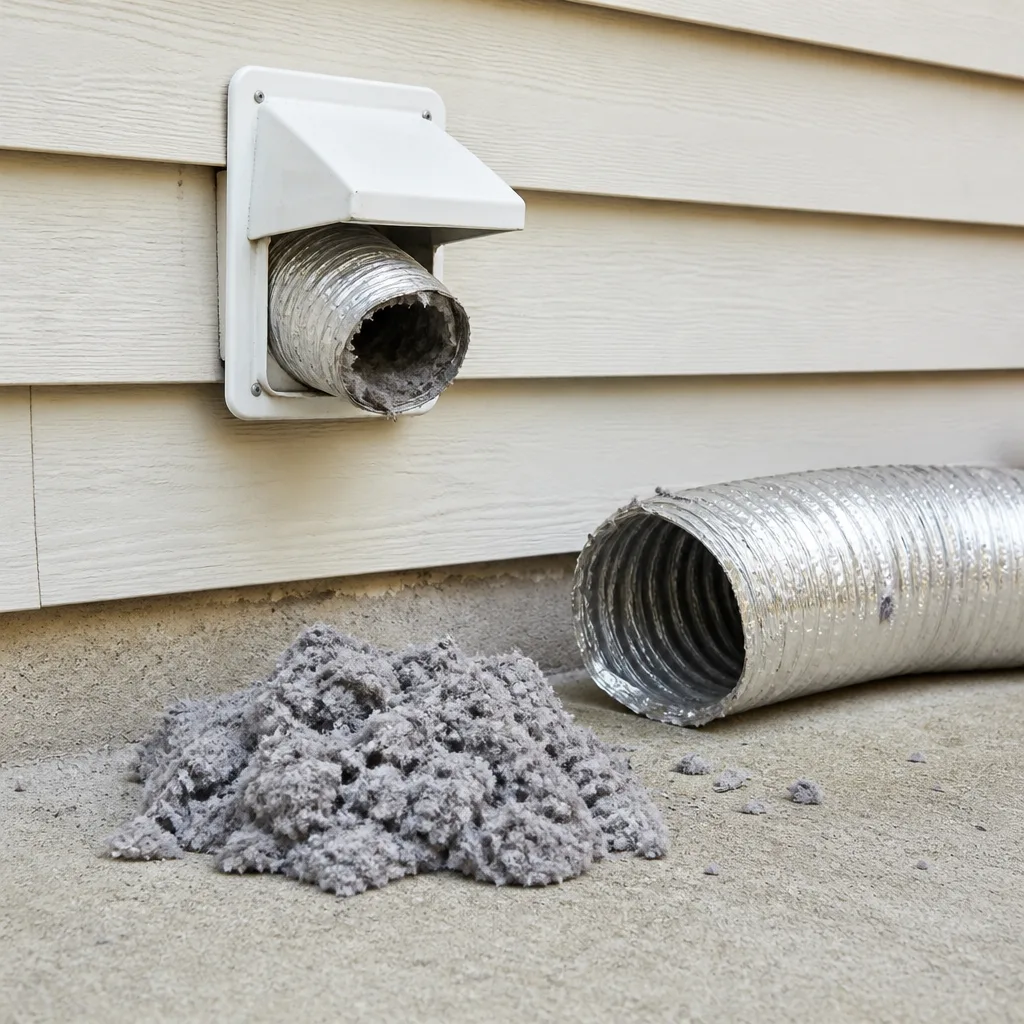 Dryer vent cleaning
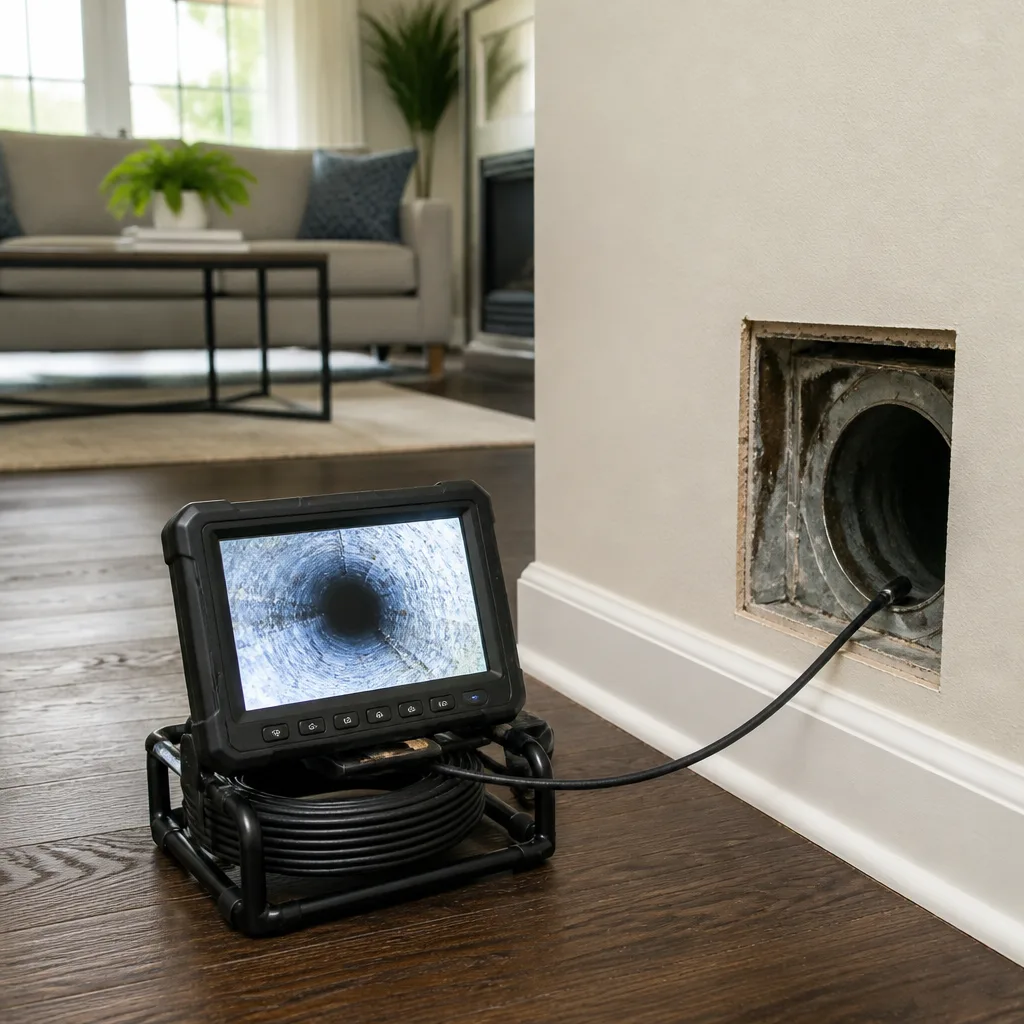 Camera inspection
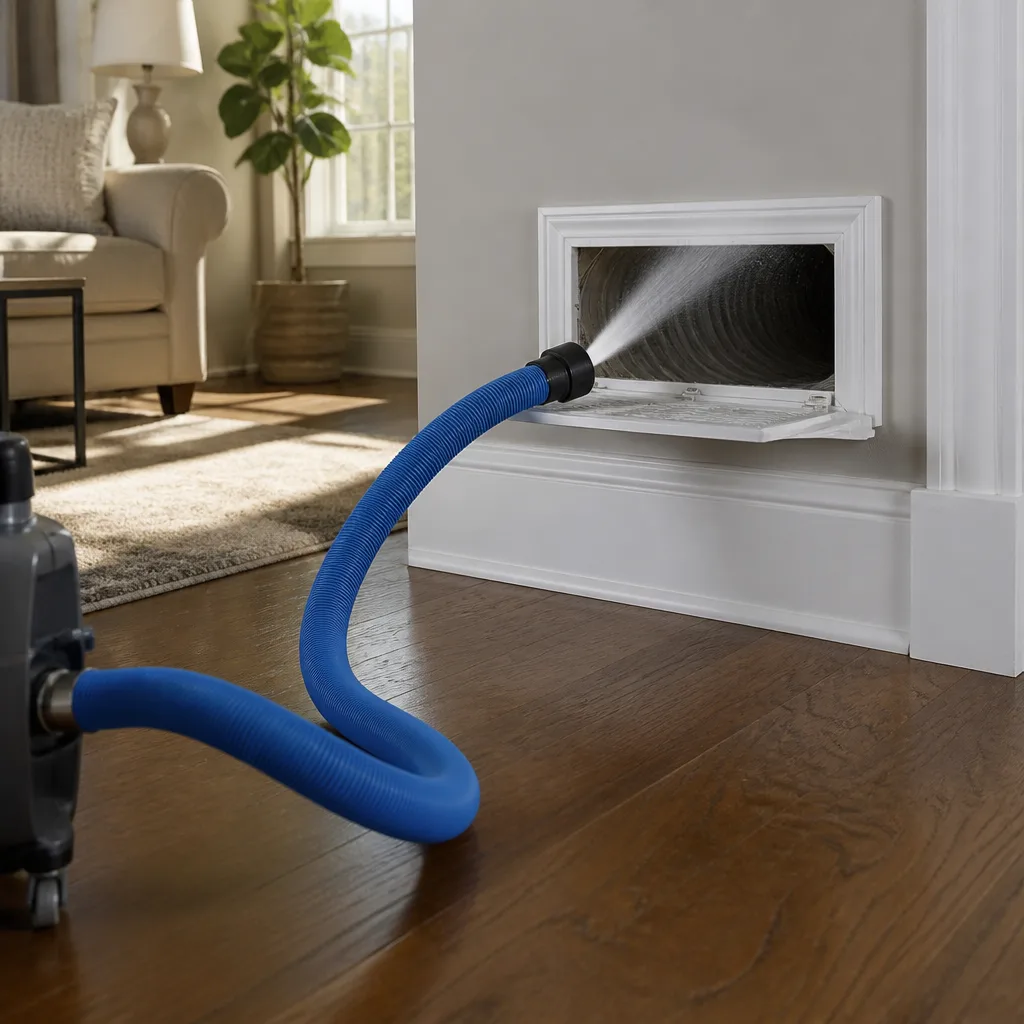 Sanitizing & deodorizing
Whole-system duct and dryer vent check with before-and-after photos - you see exactly what came out of your vents
That "$99 whole-house special" is a bait ad - the real number appears once they are in your hallway, or the "clean" is a shop-vac at the register. We photograph the inside of your ducts before and after instead.
Air Duct Cleaning Troubleshooting in Lakewood: Common Problems and How to Fix Them
If your master bedroom runs several degrees cooler than your living room, cleaning your ducts probably won’t fix it. That’s the part most homeowners get wrong. Weak airflow, musty smells, dust that settles minutes after you wipe it down, and rooms that never quite reach the thermostat setting all get filed under “the ducts need cleaning” – but cleaning is only the right answer for one of the several causes behind those symptoms. Read the symptom wrong and you pay for a cleaning that solves nothing while the real mechanical problem keeps pushing your energy bill up.
We wrote this guide to help Lakewood homeowners read the symptom first and call the right fix second. You’ll learn how each complaint maps to a likely cause, how a simple tissue or pressure test separates restriction from leakage, and when the job stops being a cleaning and becomes a repair.
Quick Answer
Most air duct problems in Lakewood come down to one of four mechanical causes: debris buildup, a breach (leak or hole), a collapsed or kinked run, or a blockage like a closed damper or disconnected joint. Cleaning fixes buildup only. Weak flow in one room, whistling, or uneven temperatures usually point to a breach or kink that needs a repair-and-seal job, not another cleaning. If you smell something burning near a register, shut the system down and call a professional before running it again.
Styles & brands we work with
- Whole-home duct cleaning
- Dryer vent cleaning
- Camera inspection
- Sanitizing & deodorizing
Table of Contents
- Symptom-to-Cause Matrix: What Your Ducts Are Telling You
- How to Tell Airflow Restriction from Duct Leakage
- Why Lakewood’s Clay Soil Kinks Ducts in Crawl Spaces
- Musty Smell vs. Burning Smell: Two Very Different Problems
- When Troubleshooting Becomes a Repair-and-Seal Job
- Five Checks You Can Do Before Calling Anyone
- The Dryer Vent Is a Separate Problem (and a Safety One)
- When to Call a Professional
Symptom-to-Cause Matrix: What Your Ducts Are Telling You
Before you call anyone, write down exactly what you’re experiencing. A vague “the air feels off” is hard to diagnose; “the far bedroom is cool but the return vent whistles when the fan kicks on” is a roadmap. Every complaint points to a short list of mechanical causes, and narrowing it down first saves you from paying for the wrong service.
Here’s how the most common symptoms map to root causes:
- Musty or dirty-sock odor: biological growth on duct walls or in the air handler, or standing moisture in a pan or drain line. Fix is cleaning followed by sanitizing – cleaning alone won’t kill the growth.
- Weak airflow in one or two rooms: a kinked flex run, a partially closed damper, a disconnected joint, or a crushed duct under flooring. This is a restriction problem, not a dirt problem.
- Weak airflow everywhere: a clogged filter, a failing blower, an oversized return restriction, or heavy buildup at the plenum. Start with the filter and blower.
- Uneven temperatures between rooms: pressure imbalance across supply and return, leaky ducts, or undersized runs. Cleaning won’t fix a pressure balance issue.
- Whistling or whooshing at a register: a pressure gap – too little return air for the supply volume, or a duct that’s undersized for the room. Whistling is a leak or sizing signal, not a dirt signal.
- Excess dust returning quickly: usually a filtration problem at the air handler, or leaking return ducts pulling attic or crawl space air into the system.
- Burning or hot-plastic smell: debris contacting the heat exchanger, or an electrical issue at the air handler. Shut the system down immediately and call a professional.
- Rattling or banging in the ducts: loose duct liner, an unsecured run, or expanding sheet metal. Not dangerous, but it points to a repair.
Notice how few of these symptoms point to “cleaning.” Buildup is real and worth addressing, but if you’re chasing a comfort problem or a smell, cleaning the ducts may do nothing at all. That mapping is what separates air duct cleaning from repair, and it’s the first thing we walk a Lakewood homeowner through on a call.
How to Tell Airflow Restriction from Duct Leakage
These two problems look identical from inside your living room, but they need completely different fixes. Restriction means air can’t get through a duct. Leakage means air is escaping before it reaches the room. You can separate them with a basic test using nothing more than a tissue, and a pressure reading if you want a number.
The tissue test (free, takes two minutes):
- Turn the system fan to “on” so it runs continuously without heating or cooling.
- Hold a single-ply tissue against a supply register in the problem room. It should flutter and pull toward the room.
- Compare it to a register in a room that feels fine. If the problem register barely moves the tissue, that run is restricted. If it pulls strongly but the room still feels off, the problem is elsewhere.
- Repeat at a return register. A weak return pull often explains a supply-side whistle.
The static pressure check (needs a manometer): A manometer measures pressure in inches of water column. A technician takes a reading at the supply plenum and another at the return plenum. A large gap between them means the system is working against high static pressure – a sign of restriction, undersized ducts, or a clogged filter. If the return reading is unusually high (strong vacuum), the system is starving for return air, which is a leakage or sizing issue, not a dirt issue.
Whistling at a register with strong pull usually means a pressure imbalance between supply and return, which cleaning will not change. Weak pull at both supply and return usually means the blower or filter is the bottleneck. If you’re in Lakewood and the tissue test points to a breach rather than buildup, our team can look at HVAC cleaning and duct inspection on the same visit so you’re not paying twice.
Why Lakewood’s Clay Soil Kinks Ducts in Crawl Spaces
Lakewood sits on clay-heavy soils, and clay does something predictable when it dries and rewets: it moves. Expansive clay swells with moisture and shrinks as it dries, and that motion works its way up into foundations, piers, and the framing above a crawl space. We’ve seen the results often – slab and pier movement shifts the structure just enough to compress, kink, or disconnect flex duct runs in the space below.
Why this matters for troubleshooting: a kinked flex duct behaves exactly like a cleaned duct that still doesn’t work. You pay for a cleaning, the ducts are spotless, and the room is still cold. The original restriction was never debris. It was a crushed flex run.
What to look for in a crawl space:
- Flex duct that turns sharply at joists – any bend tighter than a gentle arc is a restriction.
- Duct resting directly on the ground or draped over piping – both invite kinks and moisture.
- Sagging runs between supports – sagging reduces flow and traps debris.
- Joints pulled apart at collars – foundation movement is a common culprit in this soil.
- Riprap or gravel pads that have shifted under a pier – a sign the run above may have moved too.
Clay soil movement is not a reason to skip cleaning – it’s a reason to inspect the runs after cleaning. A professional-grade inspection with a camera can trace each duct and confirm whether the flow loss is dirt or displacement. If it’s displacement, the answer is a duct repair and sealing job, not another pass with the vacuum.
Musty Smell vs. Burning Smell: Two Very Different Problems
A homeowner calls in a “dirty duct smell,” and the words sound the same on the phone. They are not the same problem. One needs cleaning and sanitizing. The other is a stop-everything safety issue.
Musty or earthy smell. Usually biological growth on duct walls or in the air handler cabinet, condensation in a drain pan, or a small moisture source feeding the growth. Fixing it takes two steps, not one: contact cleaning of the ducts, then sanitizing with a product that reaches the surfaces where growth is established. If you clean without sanitizing, growth returns in weeks. If you sanitize without cleaning, you’re treating a dirty surface. The Air Quality & Sanitizing service we offer uses Honeywell and Aprilaire products to address microbial growth and odor at the source – which is exactly the sequence a musty smell calls for.
Burning, hot-plastic, or metallic-hot smell. This is a safety signal, not a comfort signal. It points to debris sitting against or near the heat exchanger, or an electrical fault at the air handler. Do not run the system again to “see if it clears.”
- Turn the thermostat to “off” and switch the furnace breaker off.
- If the smell is strong, get out of the house and call your gas utility or fire department from outside.
- Do not restart the system until a qualified technician inspects the heat exchanger and ductwork.
An unusual chemical or dead-animal smell combines both problems – a carcass in the ductwork needs removal and sanitizing, not just cleaning. We treat this as a case-by-case call so we don’t guess at the source.
When Troubleshooting Becomes a Repair-and-Seal Job
There’s a point in almost every troubleshooting call where you stop guessing and start looking. A camera inspection is that point. A small camera on a flexible rod goes into the supply runs and returns, and suddenly every surface symptom has a visible cause: a crushed duct, an open joint, a collapsed liner, a nest of debris, or a run that was never connected properly.
What a camera typically reveals that no surface test can confirm:
- Breaches: holes or seams that pull attic, crawl space, or garage air into the system. These leak both air and contaminants.
- Collapse: a section of flex duct that’s been crushed flat by foot traffic or movement.
- Disconnection: a run that’s come off its collar and is dumping air into a cavity instead of a room.
- Contamination: visible growth, rodent activity, or heavy accumulation that justifies cleaning and sanitizing.
- Improper installation: sharp turns, unsupported runs, and undersized ducts that never worked well.
Once we know which one it is, the plan becomes specific. A breach and a collapse both get handled with Duct Repair & Sealing: we correct the physical problem, seal the joints and seams, and only then clean and sanitize. That sequencing matters. Many duct cleaning companies simply clean and leave – the leak or kink stays exactly as it was. The repair closes the root cause that kept the contamination returning in the first place.
If the camera shows buildup only, the plan is a professional cleaning. Our technicians use Rotobrush contact-cleaning equipment and Nikro negative-pressure systems, both of which meet NADCA-recommended cleaning methodology by agitating and extracting debris rather than blowing it around. That’s the difference between cleaning that solves the symptom and cleaning that hides it. We also run Abatement Technologies air filtration on-site during the visit to capture dislodged particulates and keep your living space usable while work is in progress.
Five Checks You Can Do Before Calling Anyone
Not every symptom needs a service call. Some are solved in five minutes at the air handler, and a little homework first makes the eventual call more productive if one is needed.
- Replace the filter. A loaded filter is the single most common cause of weak airflow everywhere. Check it monthly during heavy-use seasons.
- Confirm every register and return is open and unobstructed. Furniture over returns, closed dampers, and rugs over floor registers all restrict flow.
- Run the tissue test at a problem register and a working one. Note the difference in pull strength before writing anything else down.
- Walk the accessible flex duct in the crawl space. Look for kinks, sagging, resting on ground, or disconnected joints. Take photos to show a technician.
- Smell each register with the fan running. Musty and burning are two different calls; note which rooms smell and when.
What not to do: don’t open the air handler cabinet, don’t handle wiring, and don’t attempt to reach into ducts and pull material out. Panels and electrical components are dangerous to open and easy to damage. Restriction and leakage are both fixable, but only from the outside of the system until a technician is on site. Our technicians have up to 12 years of experience reading these symptoms, and a short phone conversation often rules out a service call entirely – we’d rather tell you the filter is the problem than sell you a cleaning you don’t need.
The Dryer Vent Is a Separate Problem (and a Safety One)
Homeowners often assume that “air duct cleaning” includes the dryer vent. It’s a separate system and a separate concern. A clogged dryer vent restricts airflow out of the dryer, which means longer dry times, higher energy use, and heat that can’t escape. Lint accumulation in the vent line is one of the leading causes of residential fires, and that’s not a comfort issue – it’s a safety one.
Signs your dryer vent needs attention:
- Clothes take two or more cycles to dry.
- The dryer or the wall behind it is hot to the touch.
- Lint collects around the outside vent hood.
- A burning or scorched smell during the dry cycle.
None of these are things to troubleshoot from the inside of the appliance cabinet. If you notice a burning smell, stop the dryer and call. For anything else, we’re happy to schedule dryer vent cleaning alongside other duct work so one visit handles multiple air-quality tasks. Property managers who need both the furnace ducts and tenant dryer vents checked on the same walk-through often time them together – it’s cheaper than two separate dispatch visits.
Common Mistakes to Avoid
- Assuming every comfort problem is a duct-cleaning problem. Uneven temperatures, weak flow in one room, and whistling registers are usually mechanical – a kink, leak, or pressure imbalance. Cleaning the ducts won’t change a pressure balance test result.
- Skipping the crawl space inspection after a cleaning. In Lakewood’s clay soil, a kinked or disconnected flex run is easy to miss and easy to keep paying for. Look under the house, not just at the registers.
- Cleaning without sanitizing after a musty smell. Biological growth on duct walls survives a vacuum pass. If the smell is musty, the sequence is clean, then sanitize – not the other way around.
- Ignoring a burning smell as a “dirty duct smell.” Shut the system off and call a professional. Debris near the heat exchanger is a safety issue, never a “wait and see” issue.
- Treating a dryer vent like a duct cleaning item. Dryer vent cleaning is a fire-safety service and needs to be scheduled separately and inspected on its own.
- Waiting for a breach to get worse. A disconnected joint pulls attic or crawl space air into your living room for years. The longer it runs, the more it costs in energy and filtration.
- Choosing a crew that only cleans and leaves. If the ducts have a breach or collapse, the cleaning is cosmetic. Ask whether the work includes repair and sealing, not just extraction.
See the difference
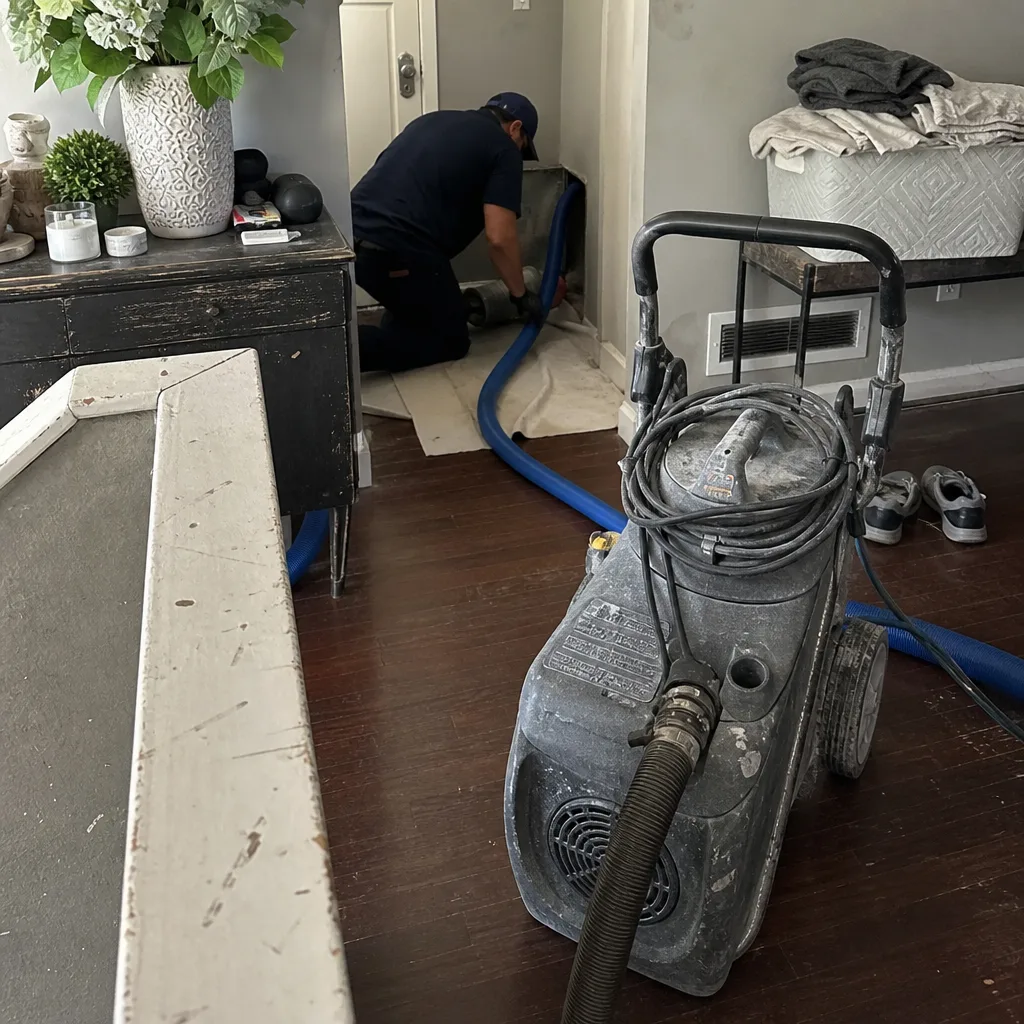 Before
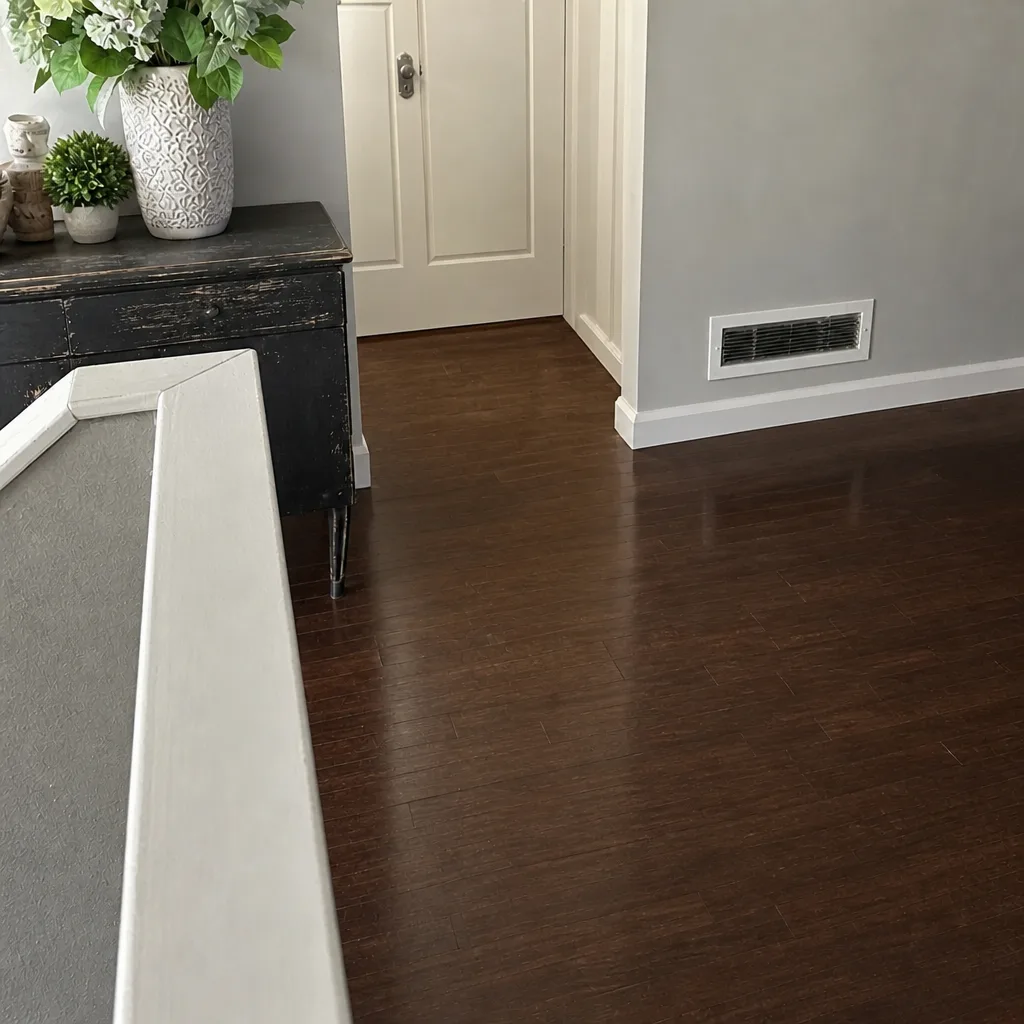 After
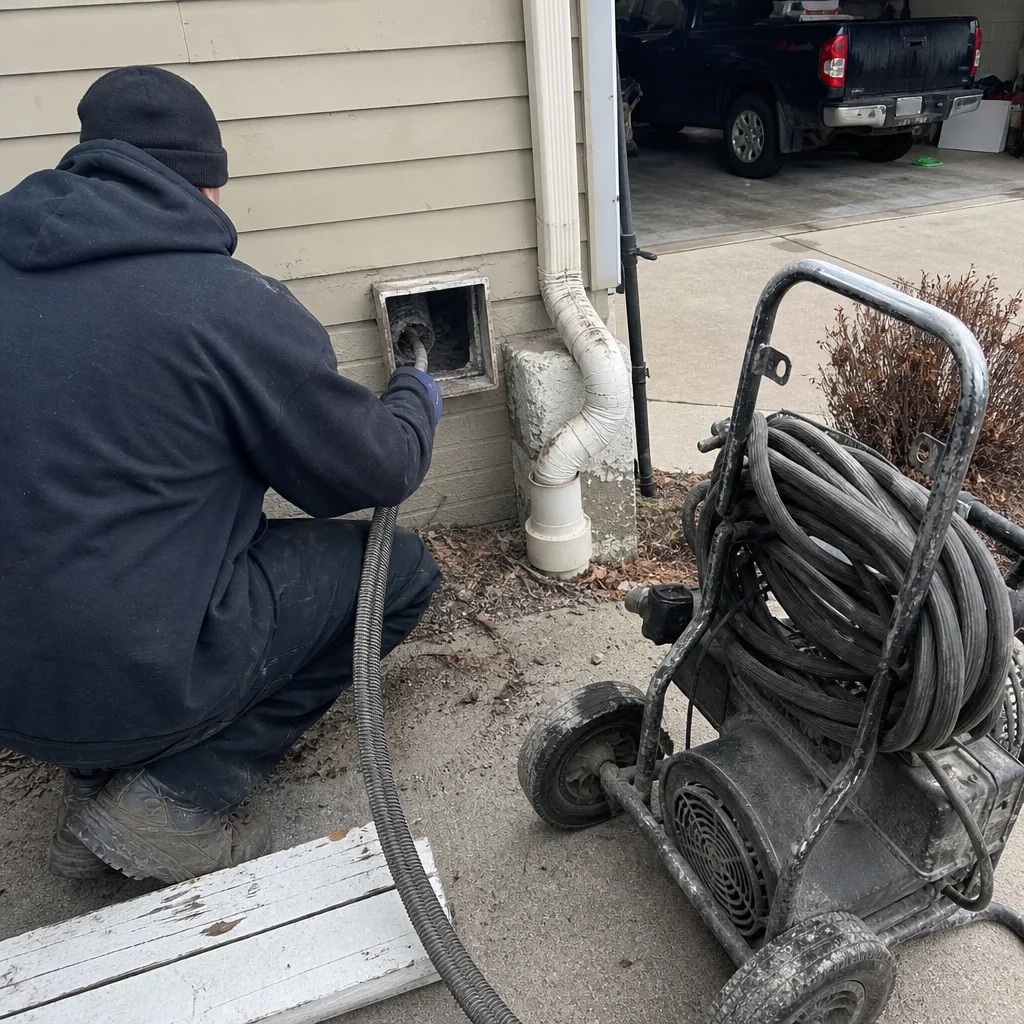 Before
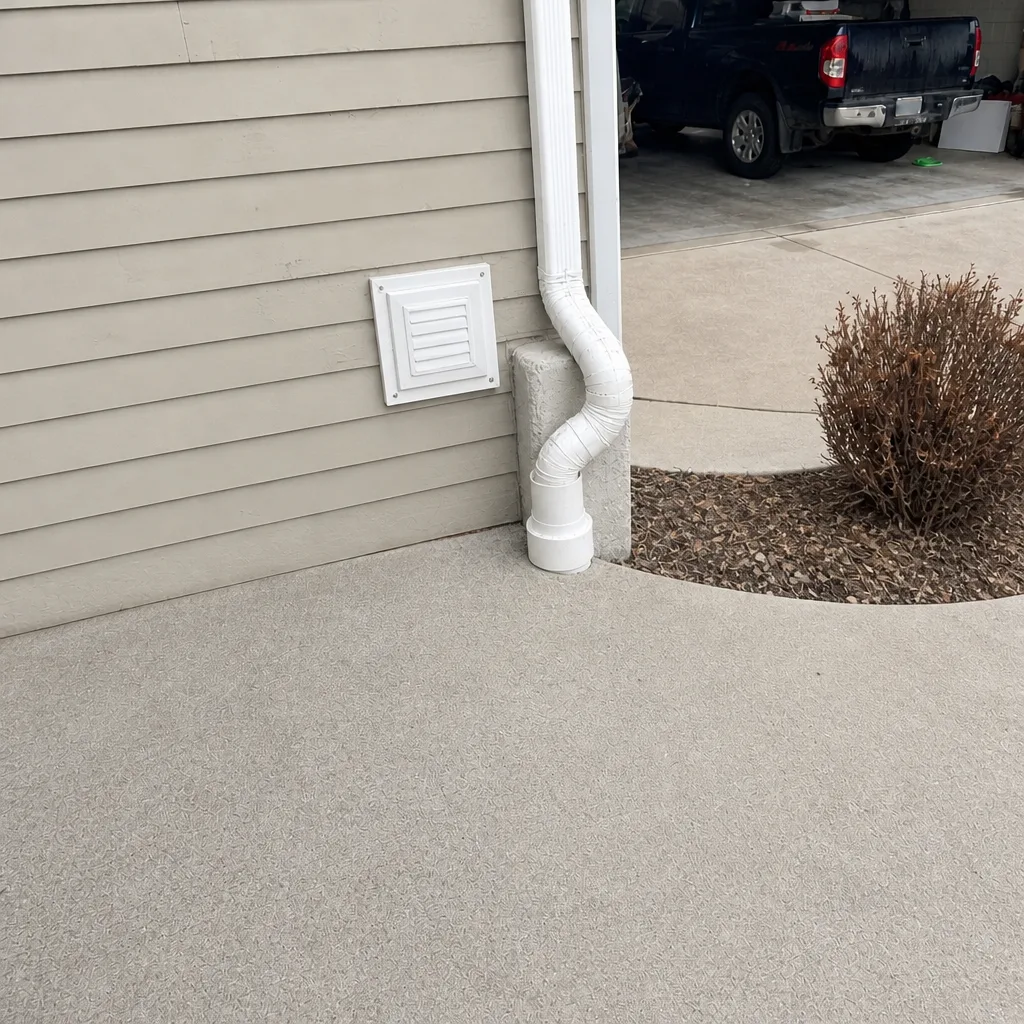 After
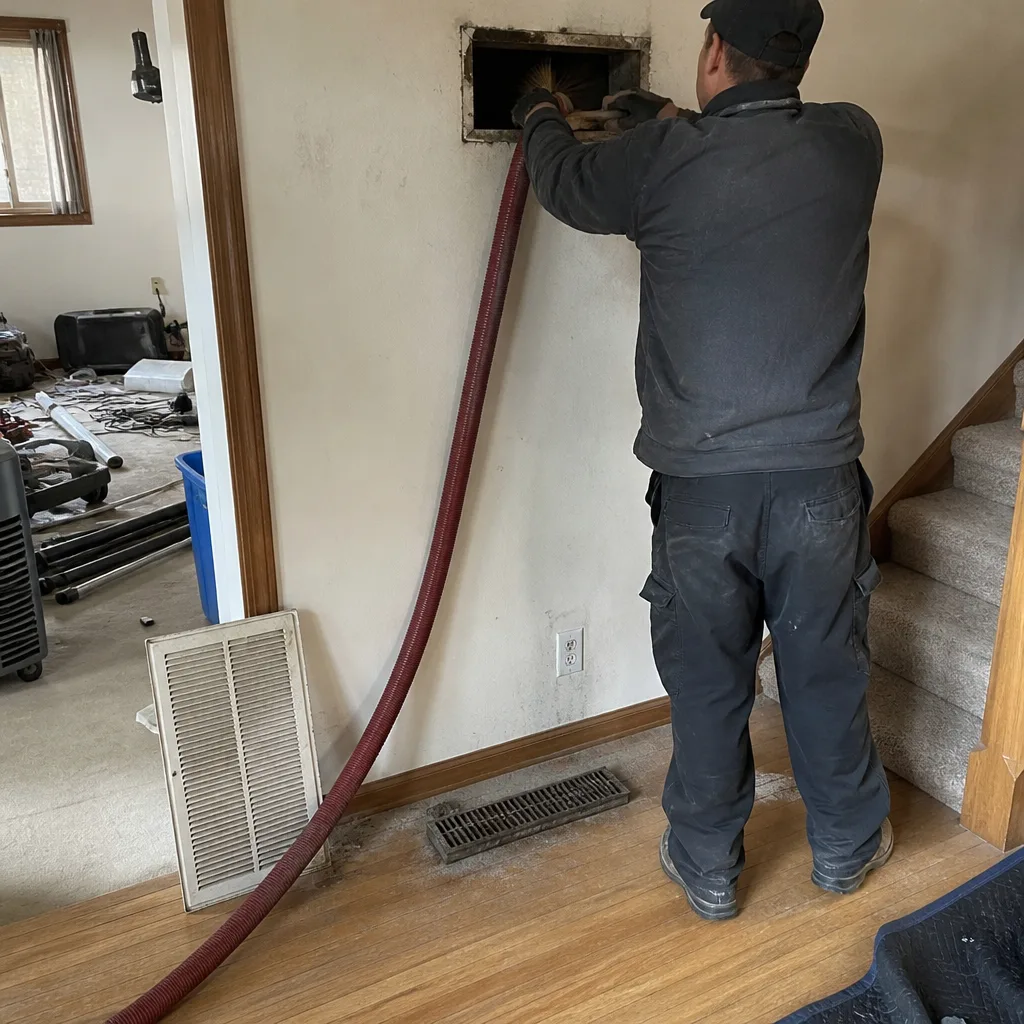 Before
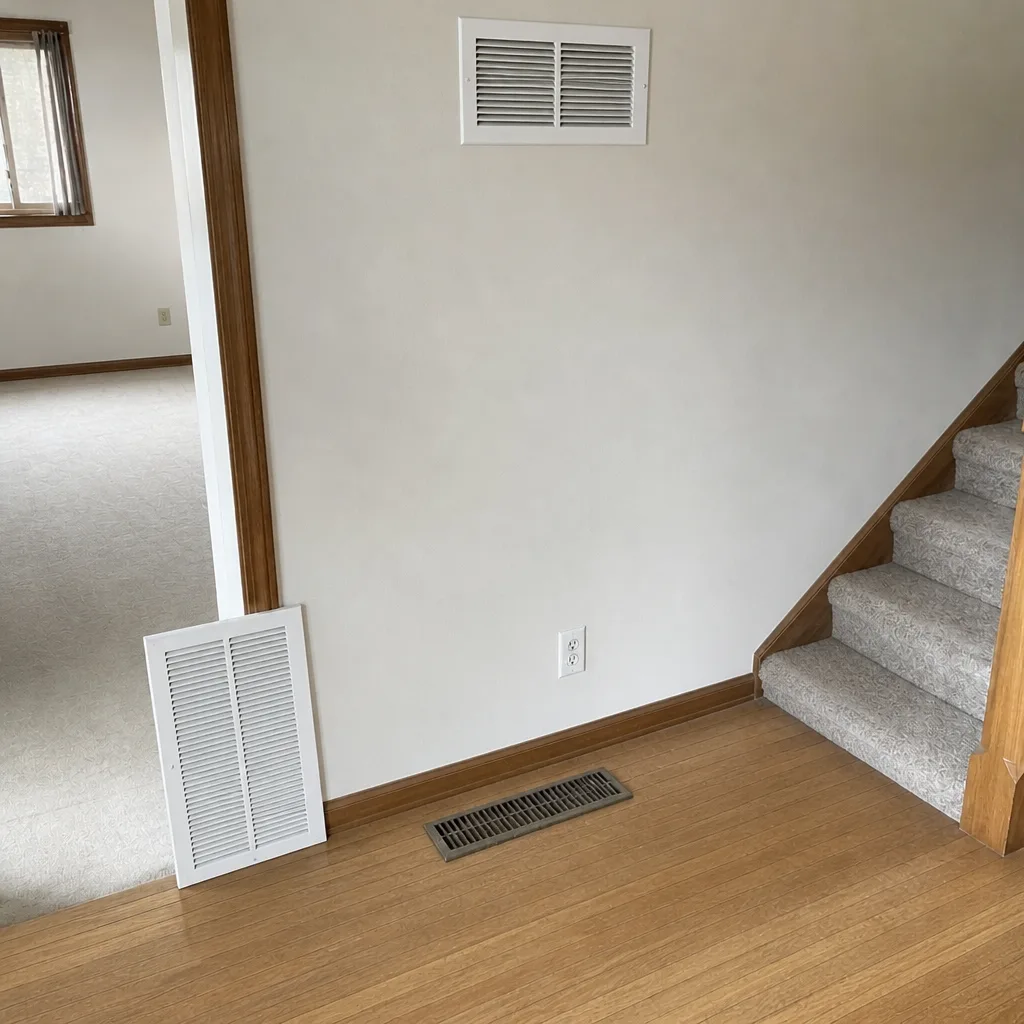 After
When to Call a Professional
Call a professional if you smell anything burning near a register or air handler, if you’ve done the tissue test and one room is clearly weaker than the rest, or if a camera inspection is needed to confirm what’s under the floor. Call if your ducts haven’t been cleaned in years and you have allergy symptoms, visible dust at the registers, or a musty smell that returns after every filter change. Call if the dryer vent hasn’t been checked and dry times are climbing. And call if you’re a Lakewood property manager who needs five categories of work (cleaning, dryer vents, HVAC, repair, sanitizing) handled on one visit rather than five.
Air Duct Cleaning Lakewood Pros offers free estimates in Lakewood – call (844) 625-7378. We answer 24/7, fast dispatch from 7am to 7pm, Sunday through Friday. We come out, inspect, and tell you what the actual cause is before quoting a fix.
Frequently Asked Questions
The tell is in the tissue test and the symptom. If the airflow is strong at the register but the smell or dust problem persists, cleaning is the likely fix. If one room has weak flow compared to the rest, or a register whistles, the problem is more likely a breach, kink, or pressure imbalance – which cleaning won’t solve. A camera inspection confirms which one it is in minutes.
Uneven temperatures are almost never a dust problem. They point to a restricted or disconnected run, a closed or stuck damper, or a pressure imbalance between supply and return. In Lakewood, the clay soil under many homes shifts with moisture cycles, and that movement can kink a flex duct in a crawl space. A kinked duct restricted the flow from day one – cleaning it doesn’t un-kink it. Call (844) 625-7378 for a free estimate and we’ll trace it to the source.
A musty smell is a comfort and air-quality issue, not typically an emergency. It usually means biological growth on duct surfaces or in a drain pan, or a small moisture source feeding it. The fix is cleaning followed by sanitizing, which the Air Quality & Sanitizing service we offer handles with Honeywell and Aprilaire products. If the smell ever turns burning or chemical, that’s a different and more urgent call.
Not safely, and not lastingly. Flex duct has to be properly supported, connected, sealed, and often re-routed around an obstruction, and a DIY fix usually trades one kink for another or introduces a leak at the collar. Duct repair and sealing is a job for someone with the right tools and a camera. Call (844) 625-7378 and we’ll give you a free estimate on what’s actually wrong under the floor.
Lakewood’s clay-heavy soil expands and contracts significantly as it wets and dries. That motion moves foundations and pier supports, which in turn shifts framing and puts pressure on crawl space duct runs. The most common result we see is a kinked or disconnected flex duct that behaves exactly like a duct that needs cleaning but never responds to cleaning. If you’ve had a cleaning that “didn’t help,” a crawl space inspection is the next step.
We use professional-grade Rotobrush contact-cleaning systems and Nikro negative-pressure equipment, and we run Abatement Technologies air filtration on-site during the work to capture dislodged particulates. This is commercial-grade equipment, not big-box tools, and it lets us clean, inspect, and repair in one visit instead of leaving a leak or kink in place. Call (844) 625-7378 for a free estimate.
The Bottom Line
Read the symptom before you call for a cleaning. That’s the takeaway. Weak flow in one room, whistling, and uneven temperatures are usually mechanical problems – a kink, breach, collapse, or blockage – that cleaning won’t fix. Musty smells need cleaning and sanitizing together. A burning smell is a shutdown and a phone call. In Lakewood, clay soil movement makes kinked flex runs a real and common failure mode, and a camera inspection is the fastest way to see what a tissue test can only suggest. Clean ducts, sealed ducts, and safe ducts are three different jobs – knowing which one you actually need is what saves you money.
When you’re ready to stop guessing, call (844) 625-7378 for a free estimate. We answer 24/7. Fast dispatch from 7am to 7pm, Sunday through Friday. Air Duct Cleaning Lakewood Pros inspects, diagnoses, repairs, seals, and sanitizes – we don’t just clean and leave.
Written by the team at Air Duct Cleaning Lakewood Pros.