
Last updated November 25, 2026
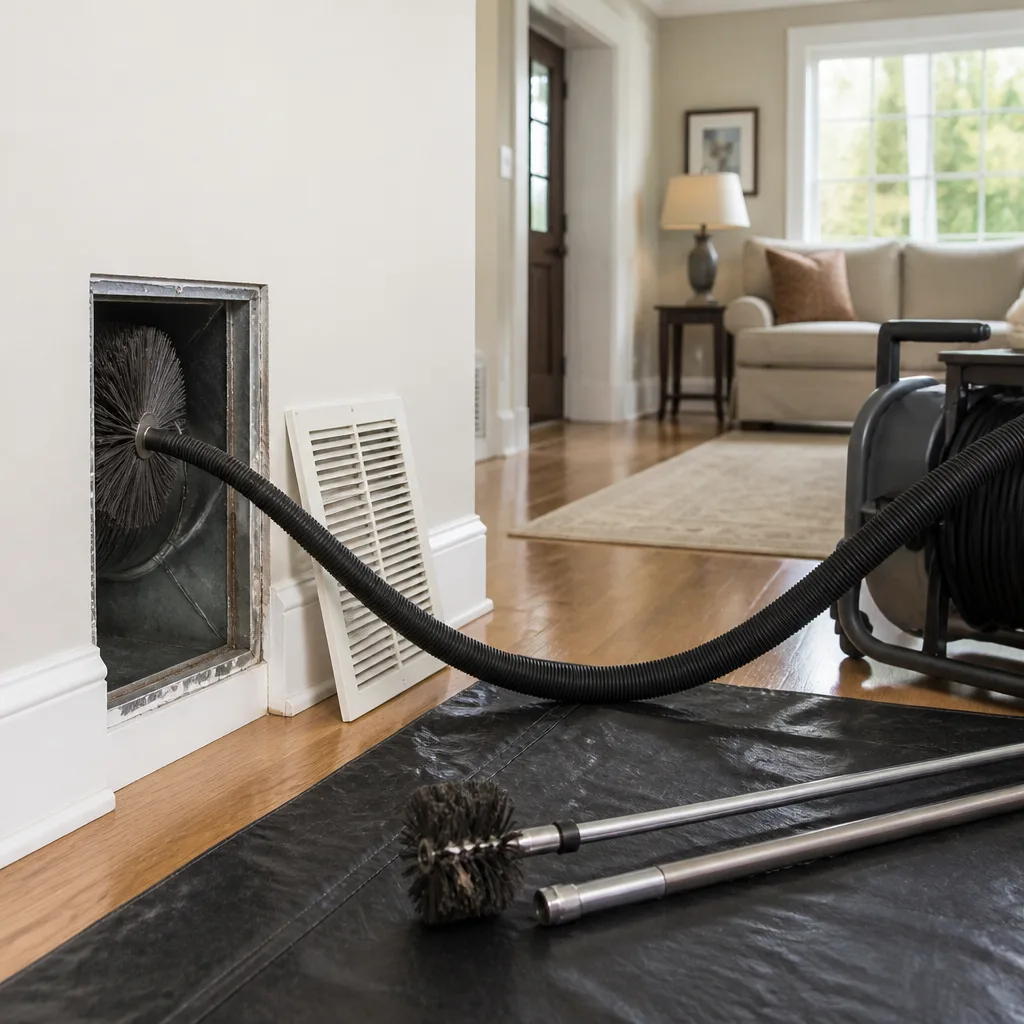 Whole-home duct cleaning
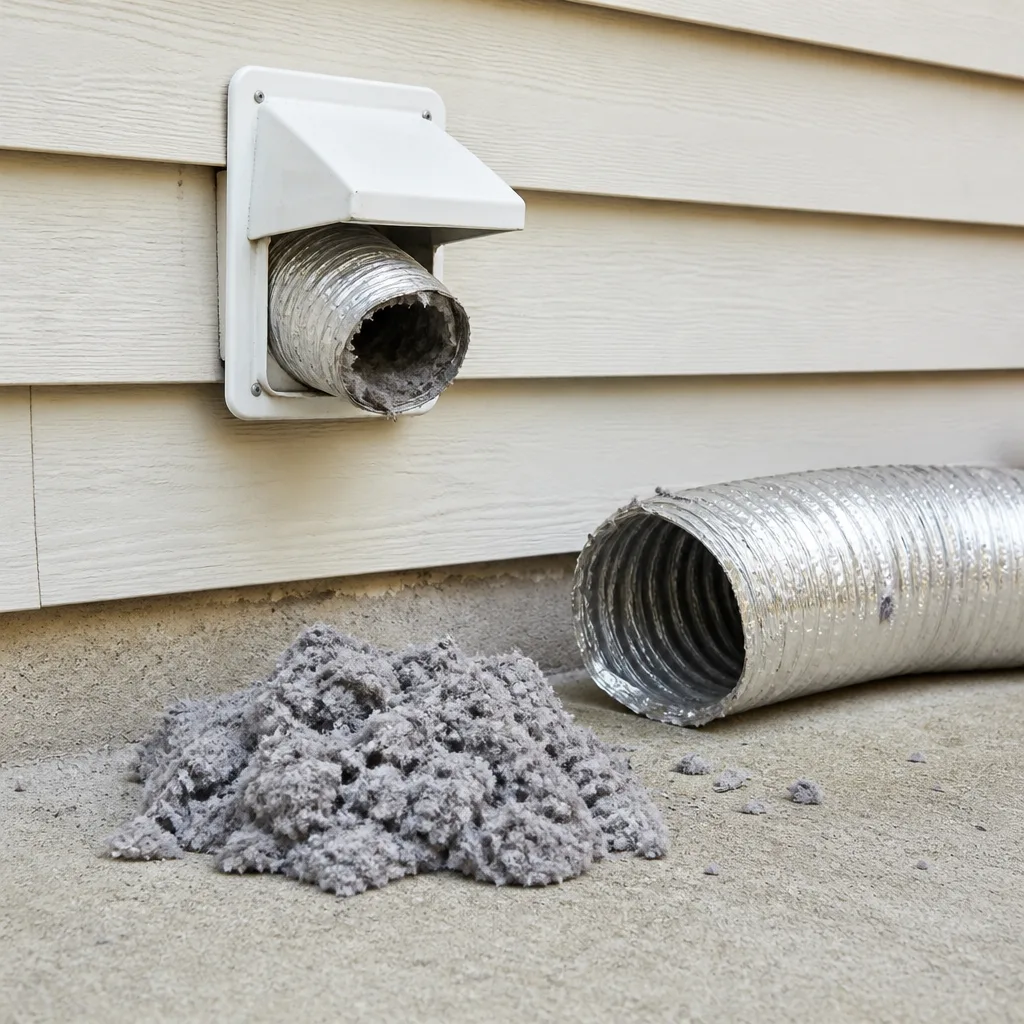 Dryer vent cleaning
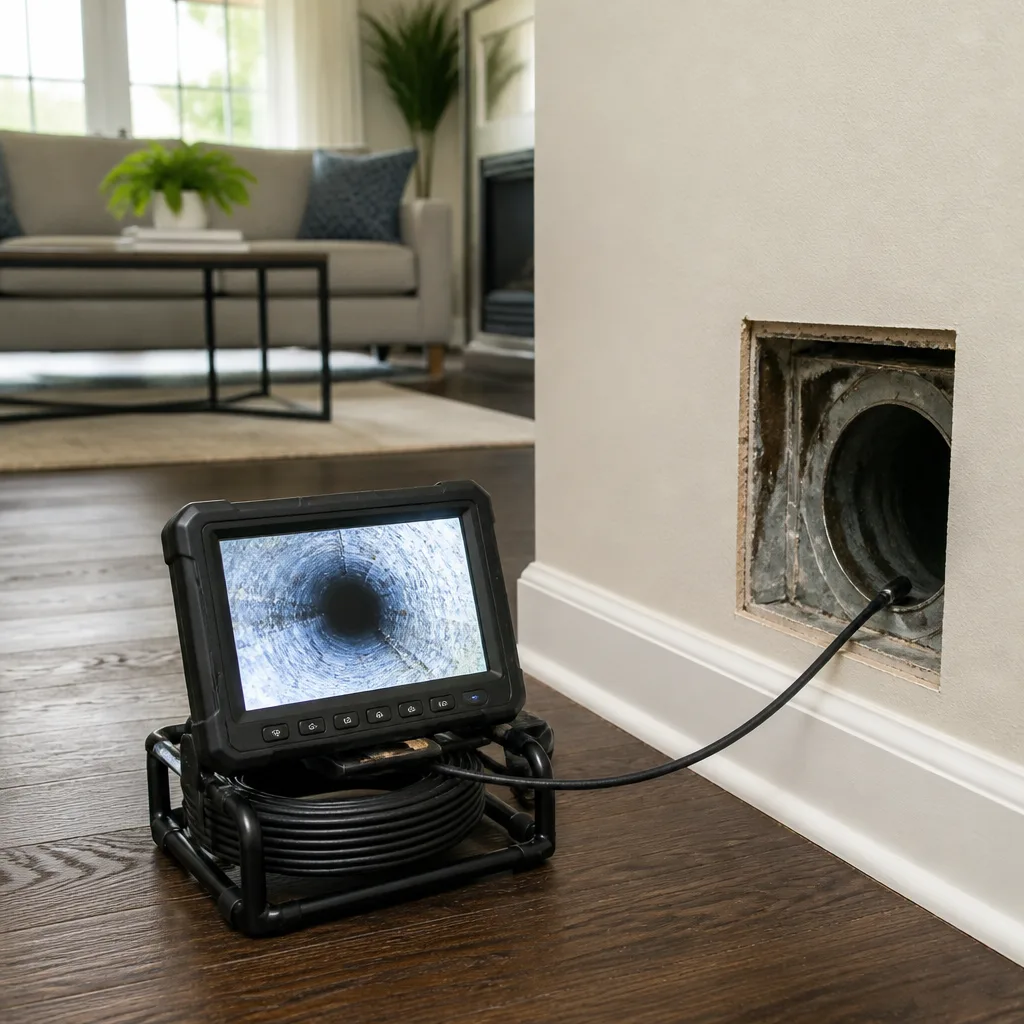 Camera inspection
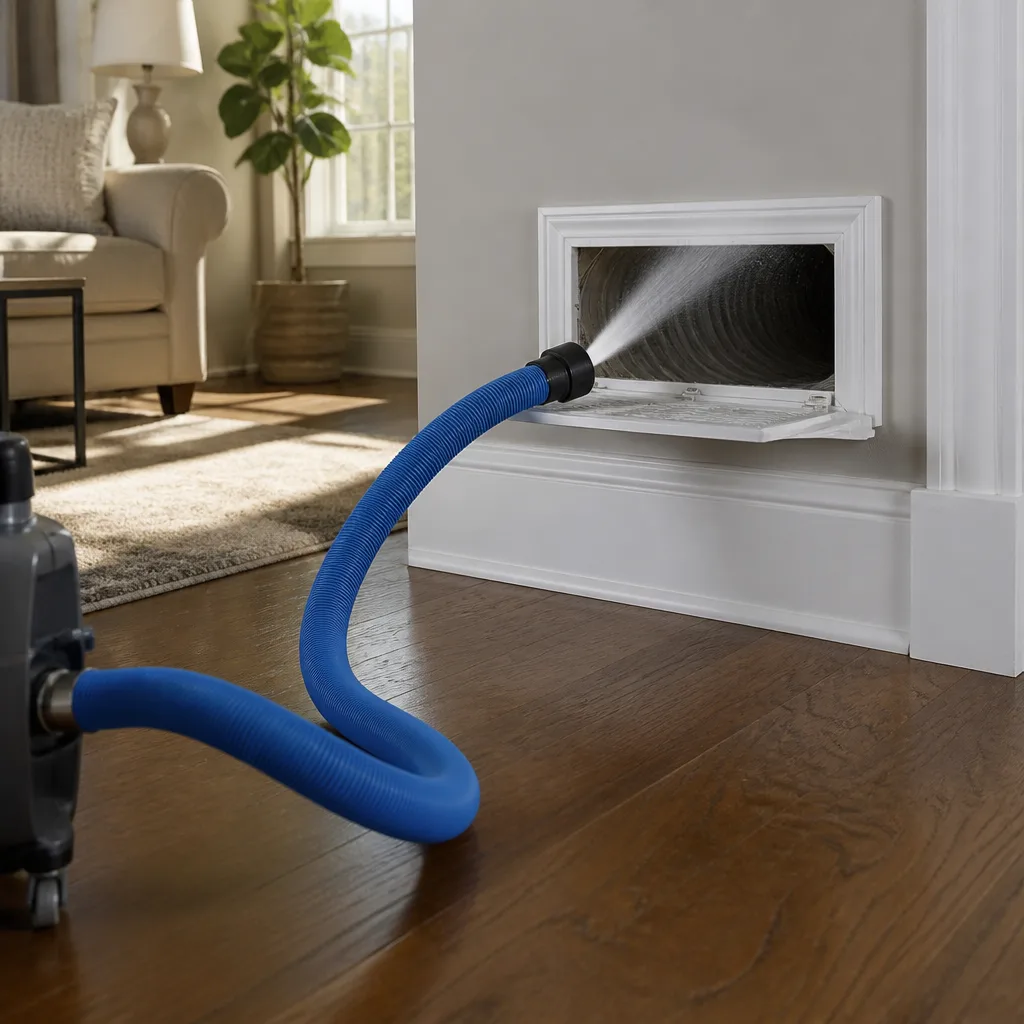 Sanitizing & deodorizing
Whole-system duct and dryer vent check with before-and-after photos - you see exactly what came out of your vents
That "$99 whole-house special" is a bait ad - the real number appears once they are in your hallway, or the "clean" is a shop-vac at the register. We photograph the inside of your ducts before and after instead.
DIY vs Professional Air Duct Cleaning: The Lakewood Homeowner’s Decision Guide
A shop vac pulls roughly 60 to 80 cubic feet per minute of air. Professional duct cleaning equipment moves 2,000 to 4,000 or more. That gap isn’t a matter of effort or a better nozzle. It’s a different class of machine doing a different class of job. Most DIY-versus-pro debates about duct cleaning in Lakewood get stuck on cost and convenience, and they miss the physics entirely. Consumer tools can’t generate the negative pressure that keeps dislodged debris from drifting back into your living room, and they can’t reach the surfaces where a forced-air system in a Lakewood home actually collects contamination. This guide walks through what you can genuinely handle yourself, where DIY becomes counterproductive, and how to decide for your specific house.
Quick Answer
DIY air duct cleaning in Lakewood is reasonable for register grilles, filter changes, visible inspections, and dryer vent lint near the exterior hood. Full duct cleaning is not a realistic DIY job because consumer vacuums can’t reach the interior duct runs or maintain the negative pressure needed to capture the debris they disturb. If your system hasn’t been professionally cleaned in several years, or anyone in the home has allergies or respiratory conditions, hire a professional with contact-cleaning and negative-pressure equipment.
Styles & brands we work with
- Whole-home duct cleaning
- Dryer vent cleaning
- Camera inspection
- Sanitizing & deodorizing
Table of Contents
- The Physics Gap: Why CFM Changes Everything
- Where Debris Actually Collects in a Lakewood Forced-Air System
- What You Can Legitimately Do Yourself
- How DIY Duct Cleaning Sometimes Makes Air Quality Worse
- Warranty, Insurance, and Liability Considerations
- The Decision Matrix: DIY vs Professional
- What Professional Equipment Actually Does
- How to Inspect Your Own Ducts Before You Decide
The Physics Gap: Why CFM Changes Everything
CFM stands for cubic feet per minute, and it’s the measure of how much air a vacuum can move. A typical household shop vac generates somewhere in the range of 60 to 80 CFM at the hose. Professional duct cleaning systems from manufacturers like Rotobrush and Nikro operate at 2,000 to 4,000 CFM and above when connected to a sealed duct system. That’s not incremental. It’s a fiftyfold difference.
Why does that matter for a Lakewood home? Because duct cleaning isn’t about sucking loose dust off a surface. It’s about creating a pressure differential across the entire duct run so that debris clinging to interior walls, joint tape, and turning vanes gets pulled toward a collection point instead of settling back down the moment agitation stops. A shop vac hooked to a single register creates a small pull at that one opening. It leaves the rest of the system at neutral pressure, which means anything you loosen three feet down the run just drifts and resettles.
Professional equipment works in two coordinated pieces:
- Negative pressure at the main trunk. A high-CFM vacuum connects to the main trunk line and pulls the whole system into a slight vacuum. Air moves toward the vacuum, not into the rooms.
- Contact agitation at the branch runs. A rotating brush or air whip travels down each branch, physically breaking debris loose from the duct walls so the negative pressure can carry it out.
Rotobrush systems pair both functions in one setup. Nikro negative-pressure units do the extraction half. Neither has a consumer equivalent, and no combination of shop vacs, leaf blowers, or rented carpet cleaners gets you there. That’s the honest answer to why DIY duct cleaning isn’t a smaller version of professional cleaning. It’s a different operation entirely.
Where Debris Actually Collects in a Lakewood Forced-Air System
Most homeowners picture dust coating the visible ductwork behind a register. In practice, the bulk of the accumulation in a typical Lakewood forced-air system sits in a few predictable places, and most of them aren’t reachable from a register opening.
Here’s where contamination actually builds up:
- The return-air plenum near the air handler. Every particle the return side pulls in passes through here first. It’s the highest-deposit location in most systems and almost always behind a sealed panel.
- The evaporator coil face. A damp coil catches dust and turns it into a sticky mat. This is where microbial growth often starts, and it’s inside the air handler cabinet.
- Trunk line interiors. The long horizontal runs in a basement or crawlspace collect settled dust along their bottom surfaces, out of reach of any handheld tool.
- Branch run elbows and turning vanes. Air slows at a turn, and particles drop out. Elbows are debris traps.
- Flex duct corrugations. If the home has flex runs, the internal ridges catch lint and dust the way a dryer lint screen does.
- Register boots and grilles. The last few inches, closest to the room. This is the one spot you can reach.
In Lakewood specifically, two local factors shape that pattern. The dry Front Range climate means indoor humidity swings hard between summer and winter, and static-charged dust clings to duct walls more aggressively in the low-humidity months. And the area’s housing stock spans mid-century ranches through newer builds, so a Lakewood system might be a short rigid-metal trunk-and-branch layout in an older home or a longer flex-duct web in a newer subdivision. Both collect debris. Neither is DIY-reachable past the boots.
If your home has never had a professional air duct cleaning, the return plenum and coil face are the two spots a pro will address first.
What You Can Legitimately Do Yourself
DIY has a real role. It’s just a narrower role than the internet suggests. Here’s what a homeowner can do well, and what each task actually accomplishes.
- Clean the register grilles. Pop each grille, wash it in the sink, dry it fully, and reinstall. This removes the visible dust film that sheds back into the room and improves airflow slightly. It’s genuinely worth doing every few months.
- Upgrade and change your filter. A properly rated filter, changed on schedule, is the highest-return DIY air quality action available. Match the MERV rating to what your system can handle without choking airflow, and write the change date on the filter frame.
- Do a visual inspection. Remove a register, shine a flashlight down the boot, and look for visible dust matting, pest debris, or moisture. This tells you whether you need professional help without any guesswork.
- Keep the return grilles clear. Furniture, rugs, and storage shouldn’t block return air. Easy, free, and often overlooked.
- Handle dryer vent lint near the exterior hood. Pull the lint trap every load, and clear the short visible run behind the dryer where it’s accessible.
The dryer vent cleaning piece is worth being honest about. Removing lint at the trap and the exterior hood is useful maintenance, but the long hidden run through a wall is where the fire risk concentrates. That full run needs a professional tool that can travel the duct. Dryer vent cleaning isn’t optional maintenance, it’s a fire-safety service, and the DIY version only covers the two ends.
How DIY Duct Cleaning Sometimes Makes Air Quality Worse
This is the part most DIY guides skip. Attempting to clean ducts with consumer tools can leave your air quality worse than when you started, because you’ve disturbed contamination without the pressure to remove it.
Picture the sequence: a homeowner removes a register, runs a shop vac or a leaf blower into the boot, and agitates dust that’s been settled and stable for years. That dust lifts off the duct wall. But with no negative pressure at the trunk, the system has no direction to move it. The particles hang in the air column and drift out through other registers, into bedrooms and living spaces. Minutes later the filter loads up, airflow drops, and the remaining dust settles back down into the ducts, now redistributed across a wider area than before.
In our experience, the fallout is predictable:
- Short-term spike in airborne particulates during and after the attempt.
- A prematurely clogged filter from the sudden dust load.
- Debris pushed past the evaporator coil into a harder-to-reach spot.
- No net reduction in duct contamination, occasionally an increase in settled dust near registers.
Professional equipment prevents this by capturing dislodged debris at the source. Abatement Technologies air-filtration units run in the work area during cleaning to trap airborne particulates before they reach living spaces. That’s the difference between agitating dirt and removing it.
Warranty, Insurance, and Liability Considerations
Before you put any tool into a duct run, consider what happens if something goes wrong. Ductwork is connected to an HVAC system that may still be under a builder warranty, and a homeowner-caused problem can void a claim on the affected portion of the system.
Three liability angles worth understanding:
- Builder and equipment warranties. Many manufacturer warranties on air handlers and coils exclude damage from improper maintenance. If a DIY attempt cracks a duct joint, damages flex duct, or forces debris into the coil, the repair falls on you. Lakewood homes in newer subdivisions may still carry an active builder warranty on the HVAC system, and any invasive work on it deserves a written record from a licensed technician.
- Homeowner insurance claims. If you have an open claim related to air quality, water intrusion, or a related issue, insurers generally want work documented by a professional. A paid invoice with a service scope carries weight that a shop-vac afternoon does not.
- Duct sealing and repair responsibility. Consumer tools can rough up flex duct interiors or loosen joint tape. Once a joint fails, you’re losing conditioned air into a crawlspace or attic, which raises energy bills and pulls in unfiltered air. Sealing that joint properly takes mastic or foil tape applied to a clean surface, not a quick wrap.
Our HVAC cleaning work includes inspecting duct integrity, because a compromised run is a contamination source as much as an efficiency problem. Cleaning a failing duct and leaving it failing doesn’t solve anything.
The Decision Matrix: DIY vs Professional
Here’s the practical way to decide. Score your situation against the four factors below, and the answer usually makes itself obvious.
Factor 1: Last Professional Service
- Never professionally cleaned, or more than 5 years ago: Professional. Accumulation is likely significant and beyond DIY reach.
- Cleaned within the last 2 years: DIY maintenance is probably sufficient. Registers and filter upkeep will carry you.
Factor 2: Contamination Type
- Visible dust matting, musty odor, or pest debris: Professional. These require agitation and extraction, not a shop vac.
- Light surface dust on grilles only: DIY. Wash the grilles and move on.
- Mold or microbial growth suspected: Professional. Sanitizing at the source needs an IAQ-grade product and a proper application.
Factor 3: Household Health Conditions
- Anyone with allergies, asthma, or respiratory conditions: Professional. DIY agitation risks a short-term particulate spike that sensitive lungs notice.
- No health concerns in the household: DIY maintenance is fine if the other factors point that way.
Factor 4: System Age and Type
- Older rigid-metal system in a mid-century Lakewood ranch: Professional inspection first. Older ducts may have loose joints or historic accumulation.
- Newer flex-duct system in a recent build: Professional if you suspect debris, DIY for routine upkeep.
If two or more factors point to professional, book a professional. The clean ducts, sealed ducts, safe ducts sequence is what the system actually needs.
What Professional Equipment Actually Does
Understanding the equipment is the best way to judge a quote. When a company arrives with a shop vac and a promise, the quote is for a different job than one backed by professional-grade equipment.
Here’s what our setup does, and why each piece matters:
- Rotobrush contact-cleaning systems agitate duct walls with rotating brushes and air whips, physically breaking debris loose from the surface rather than simply blowing it around. This is the equipment certified HVAC contractors use nationwide.
- Nikro negative-pressure units connect to the main trunk and pull the entire system into a slight vacuum, so dislodged debris moves toward the vacuum, not into your rooms. Nikro’s negative-pressure methodology meets NADCA-recommended cleaning standards.
- Abatement Technologies air-filtration units run in the work area to capture airborne particulates during the job, keeping living spaces protected while work is in progress.
- Honeywell and Aprilaire IAQ products handle the sanitizing step, targeting microbial growth and odor at the source rather than masking it with fragrance.
That’s the difference between cleaning and diagnosis. We don’t just clean, we diagnose, repair, and seal. Duct repair and sealing address the root cause of contamination and energy loss, a step most duct-cleaning companies skip entirely. Guardsman products round out the repair and protection side. The result is a single visit that can address multiple air-quality issues across cleaning, dryer vents, HVAC, repair and sealing, and sanitizing.
Our technicians have up to 12 years of experience. Most homeowners never see the inside of a duct system, so the equipment list is the closest thing to a resume they get. Ask any company you’re considering which systems they use.
How to Inspect Your Own Ducts Before You Decide
You can gather real evidence in about ten minutes without any special tools. This inspection tells you whether DIY is enough or whether you need to call a professional.
- Check the filter. Pull it and hold it up to light. If it’s gray and matted, it’s overdue. Write the change date on the frame going forward.
- Look down three registers. Pick one in a main room, one in a bedroom, and one on the return side. Shine a flashlight down the boot. Note whether you see light dust or heavy matting.
- Smell the return air. A musty or dusty smell that shows up when the fan runs is a signal of contamination deeper in the system.
- Run your hand across the supply register flow. Weak airflow at some registers and strong at others suggests a leak or blockage in a branch run.
- Check the air handler area. Look for dust accumulation around the unit, condensation, or rust. Rust or standing moisture near the coil means a moisture problem that duct cleaning alone won’t fix.
- Inspect the dryer vent exterior hood. If lint is packed at the hood, the hidden run behind the wall is likely loaded too.
What you find determines your next step. Light dust and good airflow? DIY upkeep is fine. Heavy matting, musty odor, or weak airflow? You need a professional assessment. Our team at Air Duct Cleaning Lakewood Pros offers free estimates, and you can see the whole approach on our Air Duct Cleaning Lakewood Pros main page.
Common Mistakes to Avoid
- Running a leaf blower into a duct run. This pushes debris deeper and redistributes it through every register in the house. The pressure differential is working against you, not for you.
- Vacuuming a duct boot without sealing the other openings. You create a short path of least resistance and leave the rest of the system untouched. A shop vac can’t establish negative pressure across a whole trunk line.
- Assuming a newer Lakewood home doesn’t need cleaning. Builders often leave construction dust in the runs, and flex duct in newer builds traps lint quickly. New doesn’t mean clean.
- Skipping the dryer vent because the lint trap looks clear. The trap catches a fraction of the lint. The hidden run is where accumulation and fire risk live.
- Hiring the cheapest quote without asking what equipment they use. A quote based on a shop vac isn’t the same service as one based on Rotobrush and Nikro equipment. Ask, in writing, what will be used.
- Ignoring a musty odor until it’s severe. Microbial growth starts small near the coil and spreads. Treating it early costs far less than a full system sanitize later.
- Doing DIY work on a system with an active warranty or insurance claim. Documented professional work protects your coverage. A shop-vac afternoon leaves you without a paper trail.
See the difference
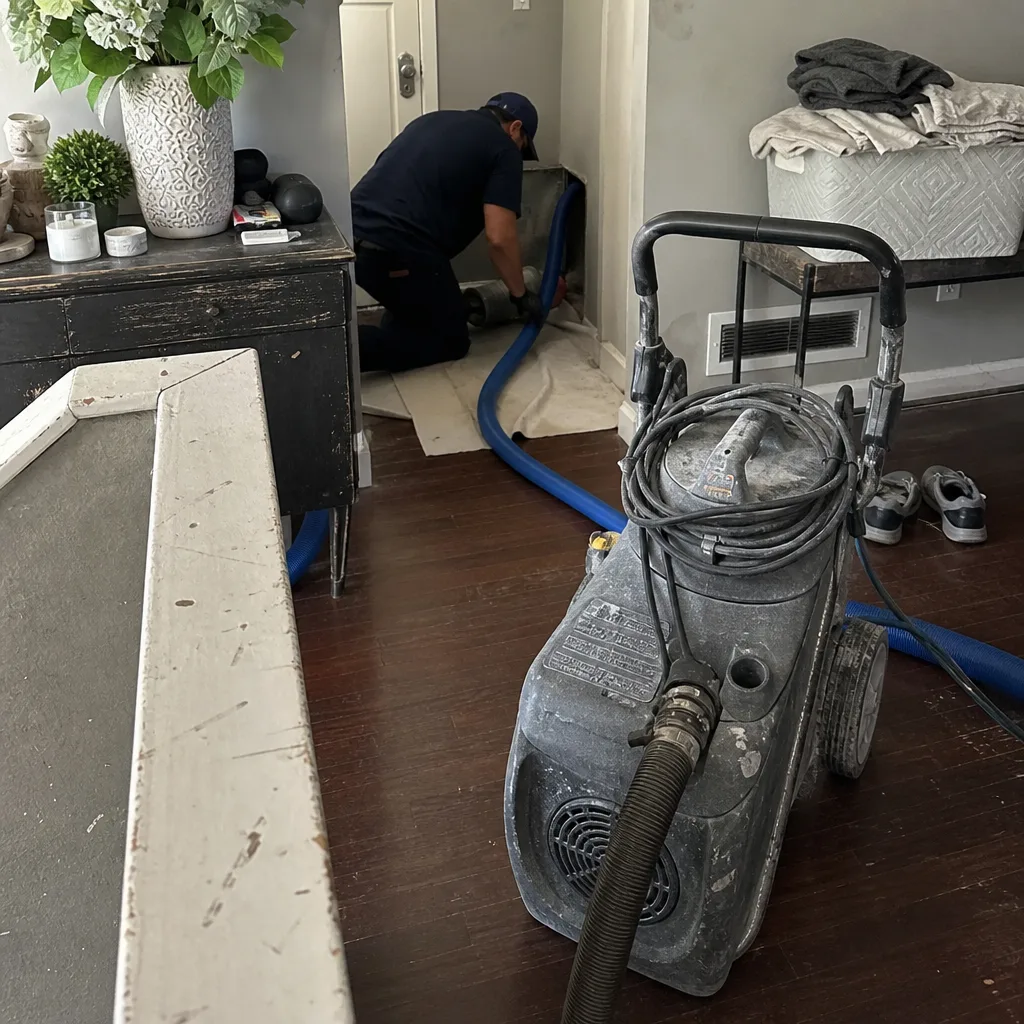 Before
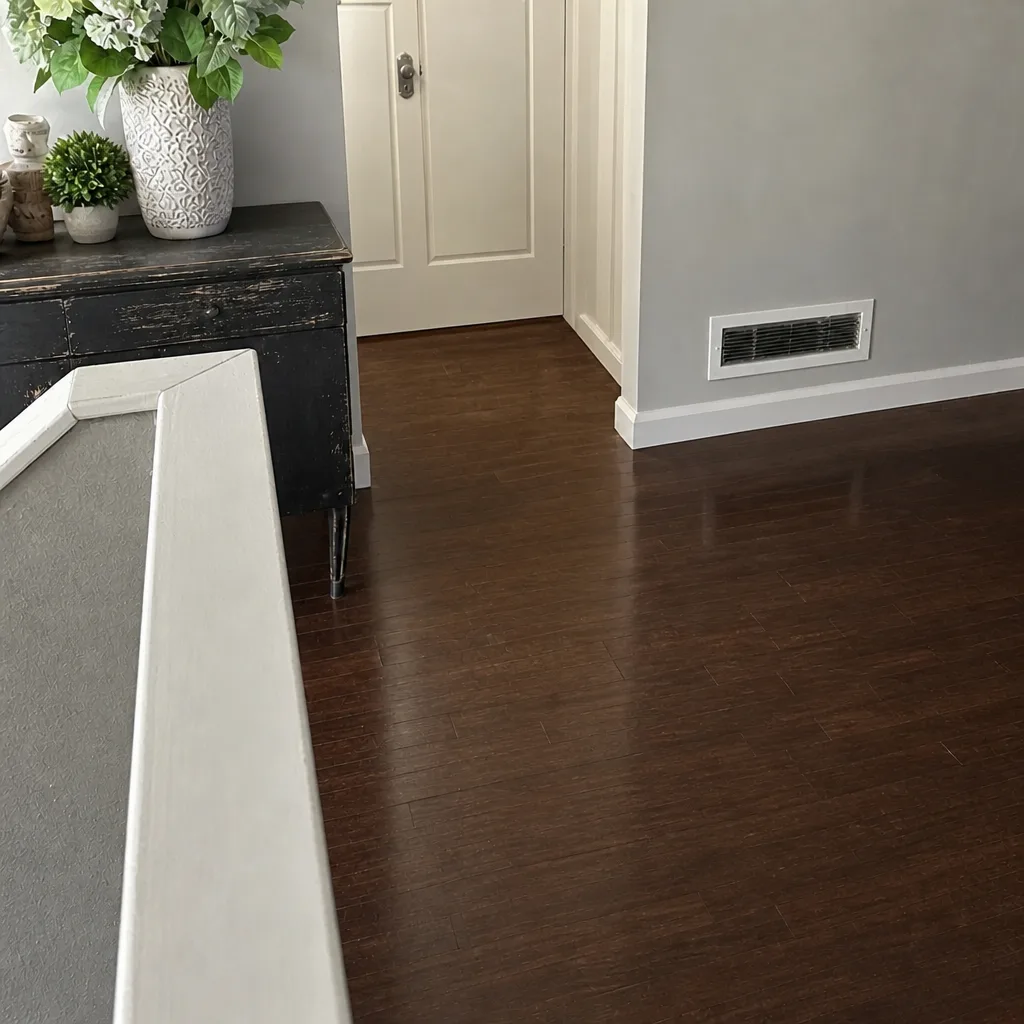 After
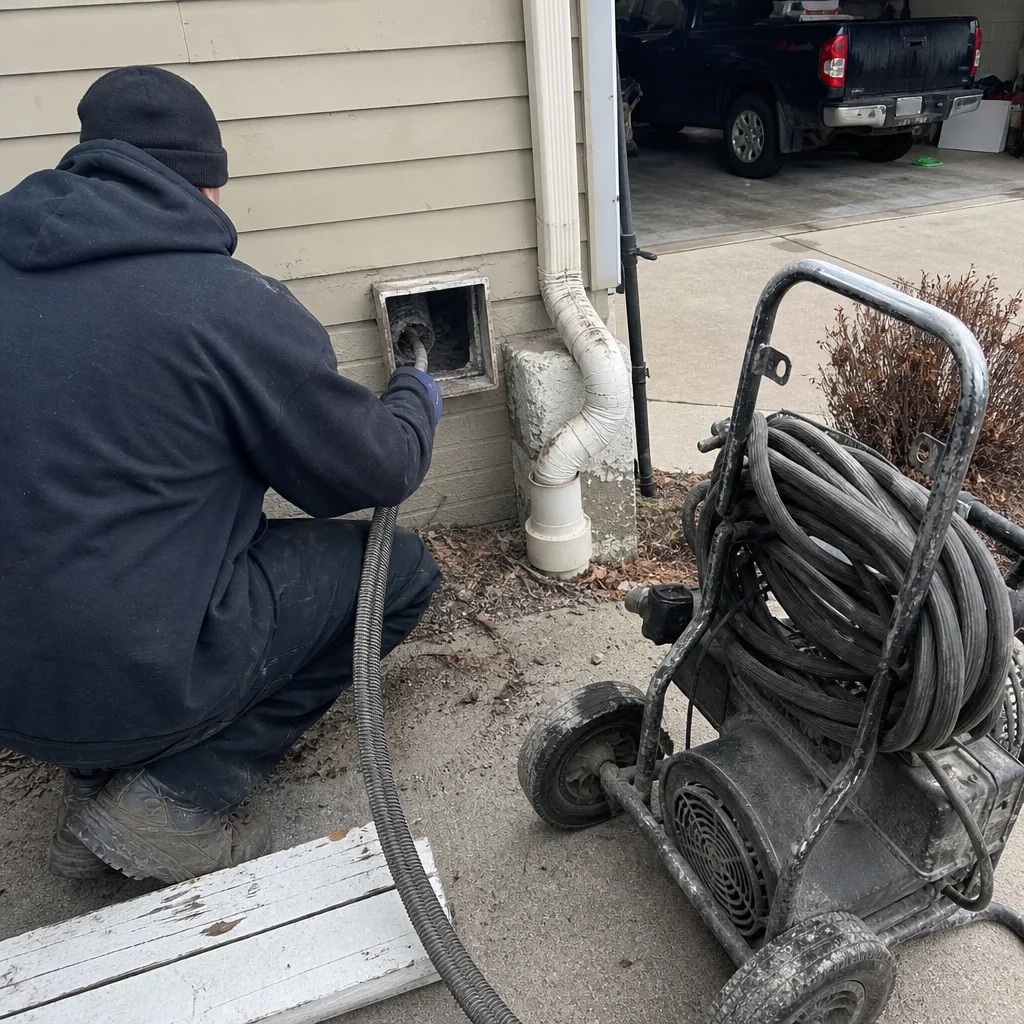 Before
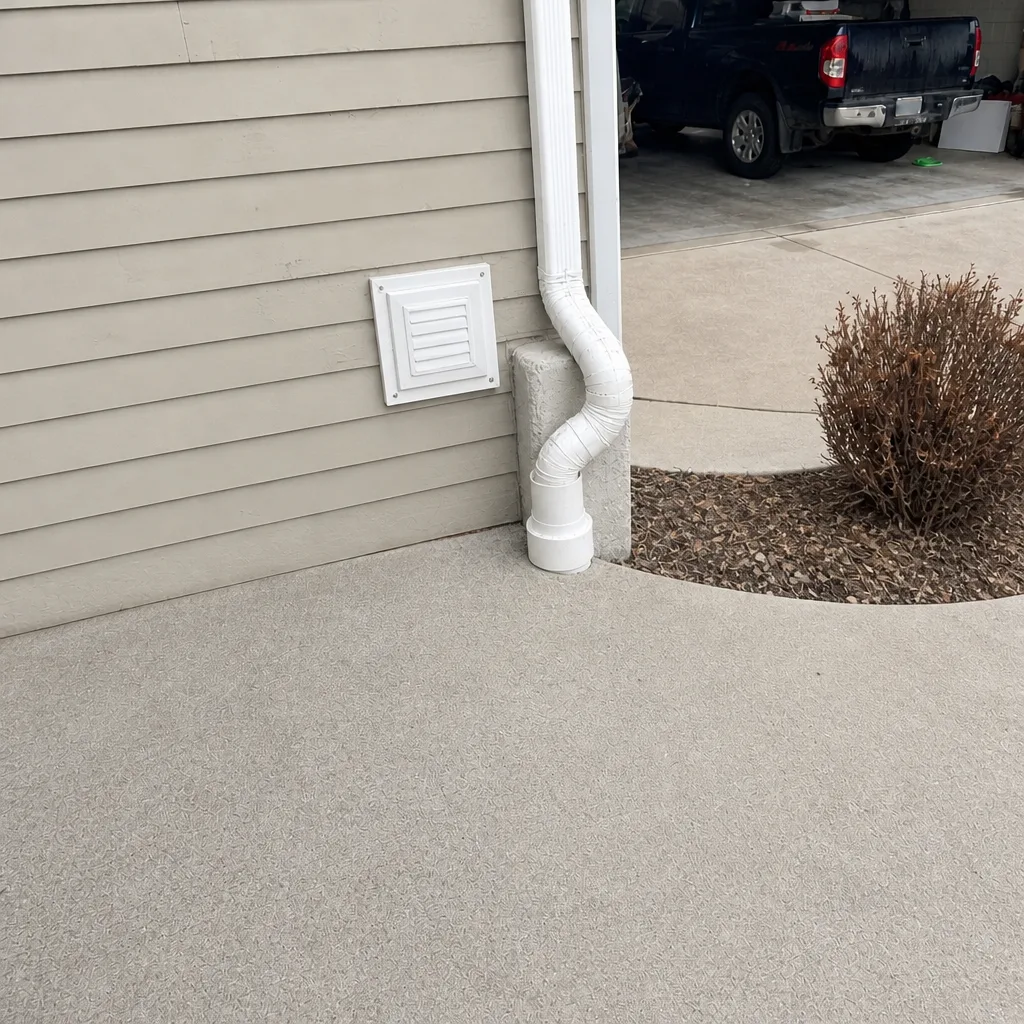 After
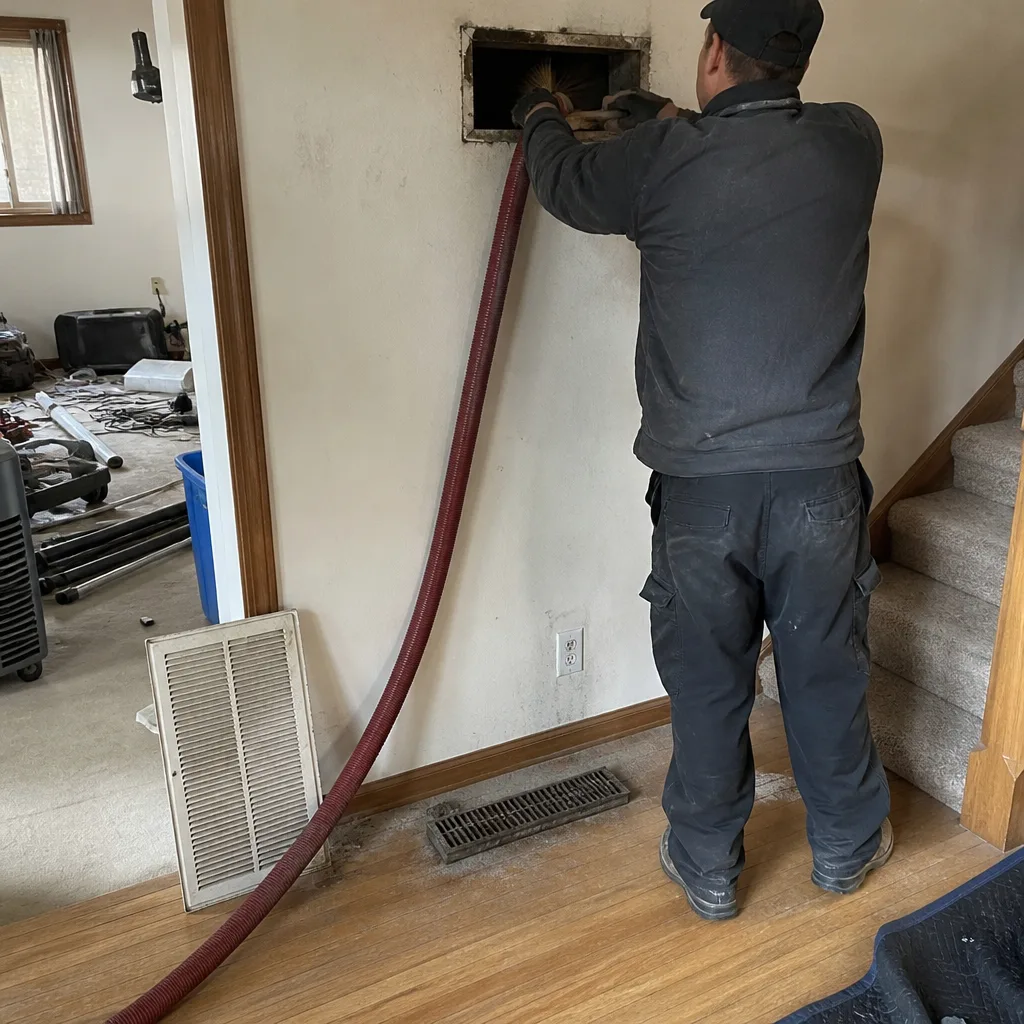 Before
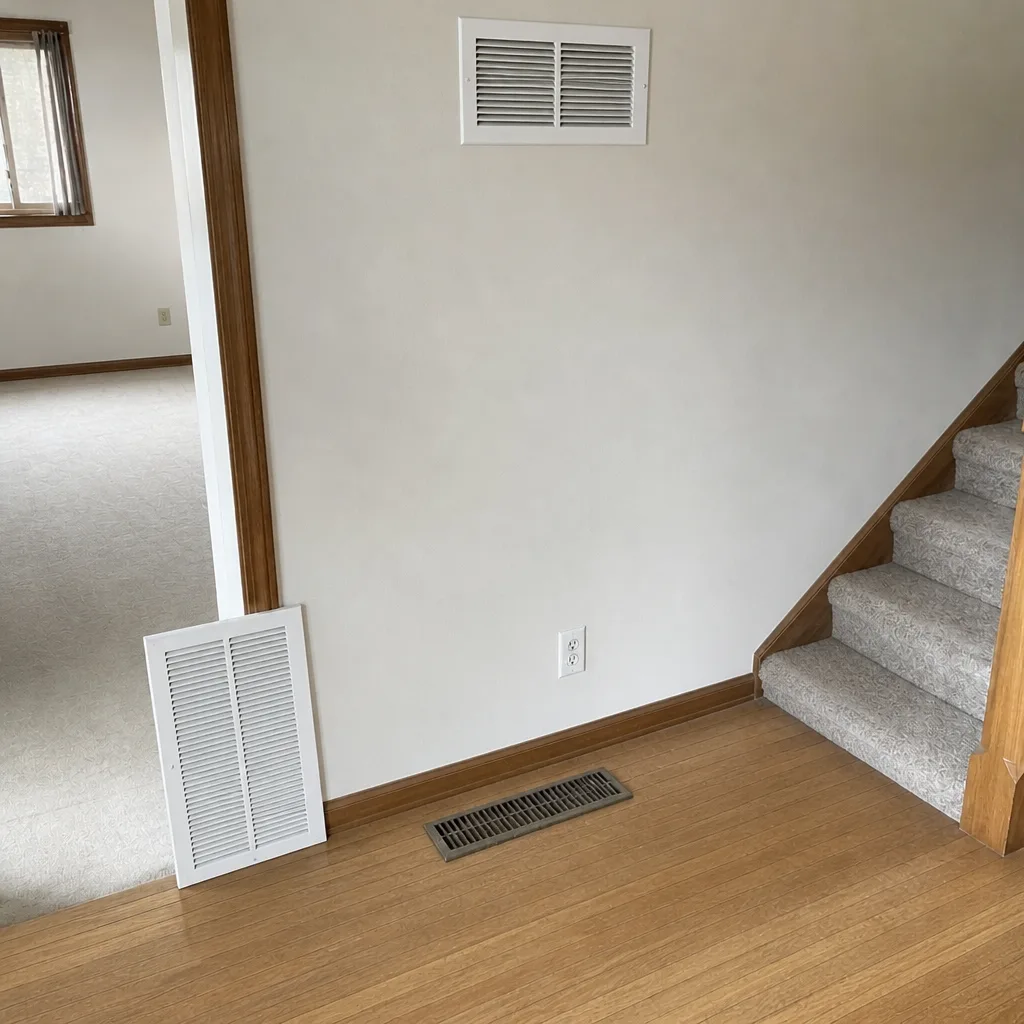 After
When to Call a Professional
Call a professional when the evidence points past DIY territory. That includes: any visible debris matting down the duct run; a musty or dusty smell when the fan runs; allergy or asthma symptoms that worsen indoors; a system that’s never been professionally cleaned or is overdue by years; active builder or homeowner insurance situations; suspected mold; or a dryer vent with lint packed at the exterior hood. If you’re unsure, a free visual inspection resolves the question quickly and honestly.
Air Duct Cleaning Lakewood Pros offers free estimates in Lakewood. Call (844) 625-7378. We answer 24/7. Fast dispatch from 7am to 7pm, Sunday through Friday. The price is set per job by a written estimate, so you know the full scope before anything starts, and we use before-and-after photos so you can verify what was actually done.
Frequently Asked Questions
You can clean the register grilles and the visible boot with a shop vac, but you can’t clean the duct runs themselves. A shop vac generates roughly 60 to 80 CFM of suction while professional equipment moves 2,000 to 4,000 or more, and without that pressure the debris you disturb settles back into the system. If your ducts have never been professionally cleaned, call a pro. Call (844) 625-7378 for a free estimate.
Most Lakewood homes do well with professional duct cleaning every three to five years, sooner if anyone in the house has allergies or respiratory conditions or if there’s been recent construction, pest activity, or water intrusion. Replace the filter every few months and keep register grilles clean in between. Call (844) 625-7378 and we’ll help you decide whether your system is due.
It can. Agitating dust in a duct without the negative pressure to capture it sends particles into the air column and redistributes them through other registers. That’s why professional setups use Abatement Technologies filtration to contain dislodged debris during work. If you’ve tried DIY and noticed more dust, call (844) 625-7378 for a proper assessment.
A DIY attempt that damages ductwork, flex runs, or the air handler can affect a builder or manufacturer warranty on the affected components, so professional work with a written scope is safer on a newer home. Check your warranty terms before any invasive work. Call (844) 625-7378 and we’ll document the job so your coverage stays intact.
Duct cleaning removes accumulated debris, while duct repair and sealing address the cause by closing leaks, resealing joints, and fixing compromised runs. Cleaning a failing duct and leaving it failing doesn’t solve the energy loss or contamination coming back. We do both in one visit. Call (844) 625-7378 for a free estimate.
A very low quote usually means a shop vac and a short cleaning around the registers, not the full duct run with negative pressure and filtration equipment. That’s a different job, not a cheaper version of the same one. Ask every company what equipment they’ll use and whether they repair and seal. Call (844) 625-7378 for a written scope and a single flat price per system.
The Bottom Line
The DIY versus professional question comes down to capability, not effort. Consumer tools cannot reach the interiors of duct runs or hold the negative pressure needed to capture dislodged debris, so DIY duct cleaning is a maintenance routine for grilles and filters, not a substitute for professional cleaning. Reserve DIY for register upkeep, filter changes, visual inspections, and dryer vent lint near the hood. Call a pro when you see matting, smell mustiness, notice allergy symptoms, have warranty or insurance concerns, or haven’t had the system serviced in years. In Lakewood, that clean ducts, sealed ducts, safe ducts sequence is what keeps a forced-air system working well. We answer 24/7. Fast dispatch from 7am to 7pm, Sunday through Friday.
Contact
Ready to know for certain what’s in your ductwork? Call Air Duct Cleaning Lakewood Pros at (844) 625-7378 for a free estimate. We answer 24/7. Fast dispatch from 7am to 7pm, Sunday through Friday. The local pro is licensed and insured as their state requires, the price is one flat rate per system agreed before work starts, and you’ll get before-and-after photos of your own ducts so you can verify the job.
Written by the team at Air Duct Cleaning Lakewood Pros.