
Last updated November 25, 2026
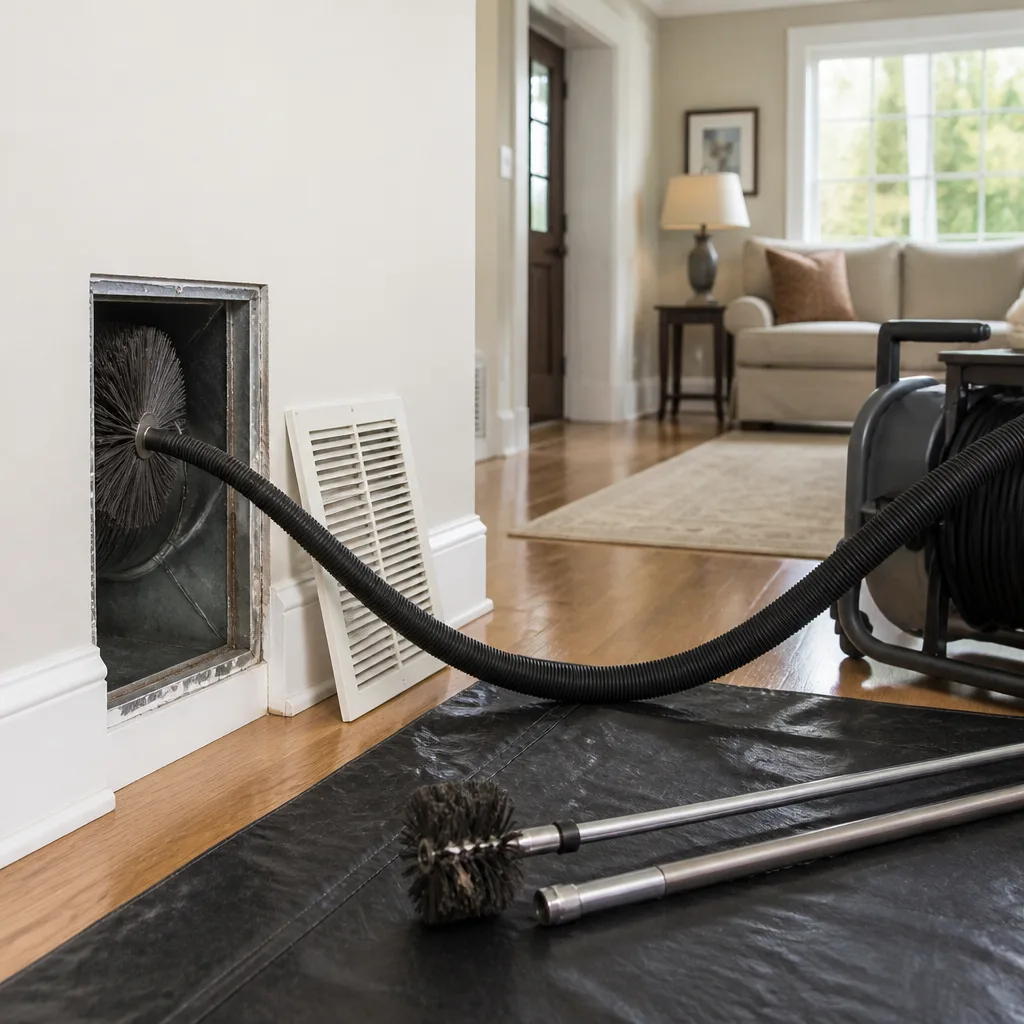 Whole-home duct cleaning
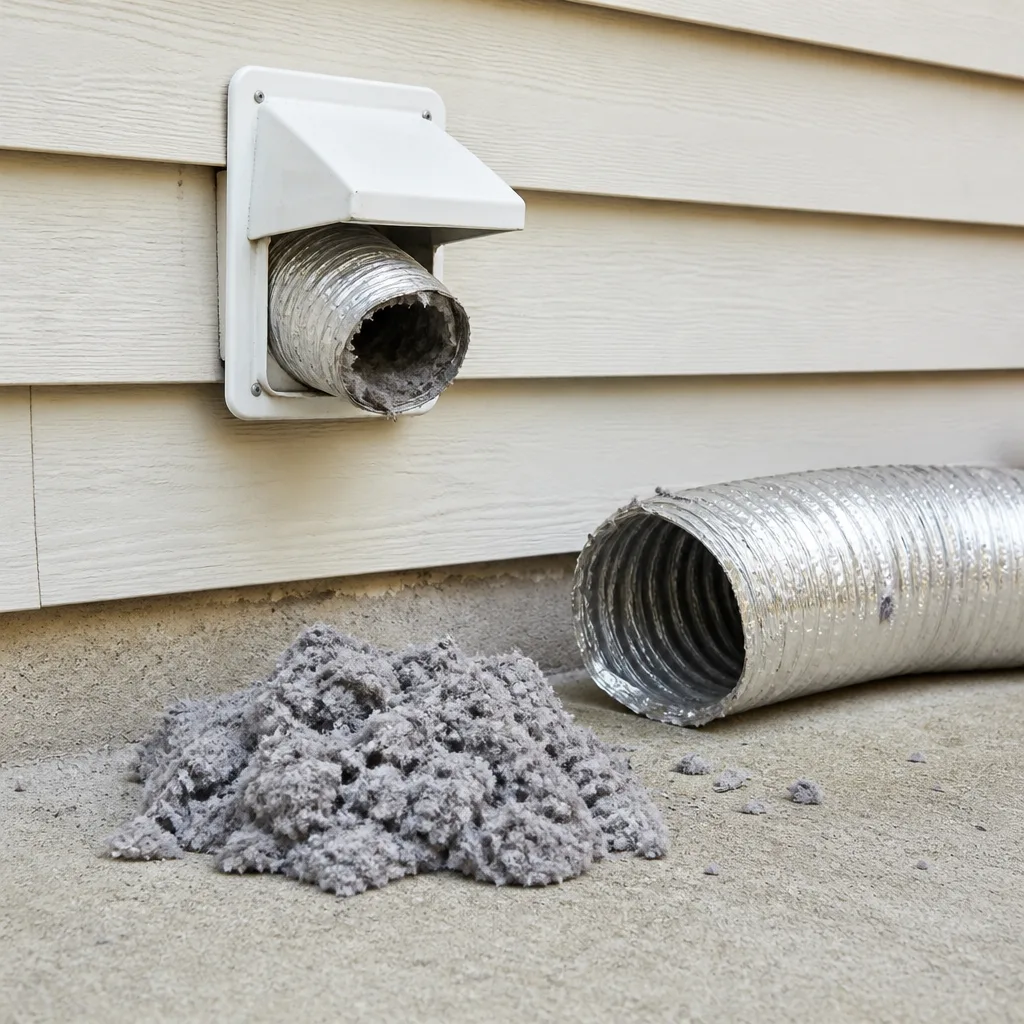 Dryer vent cleaning
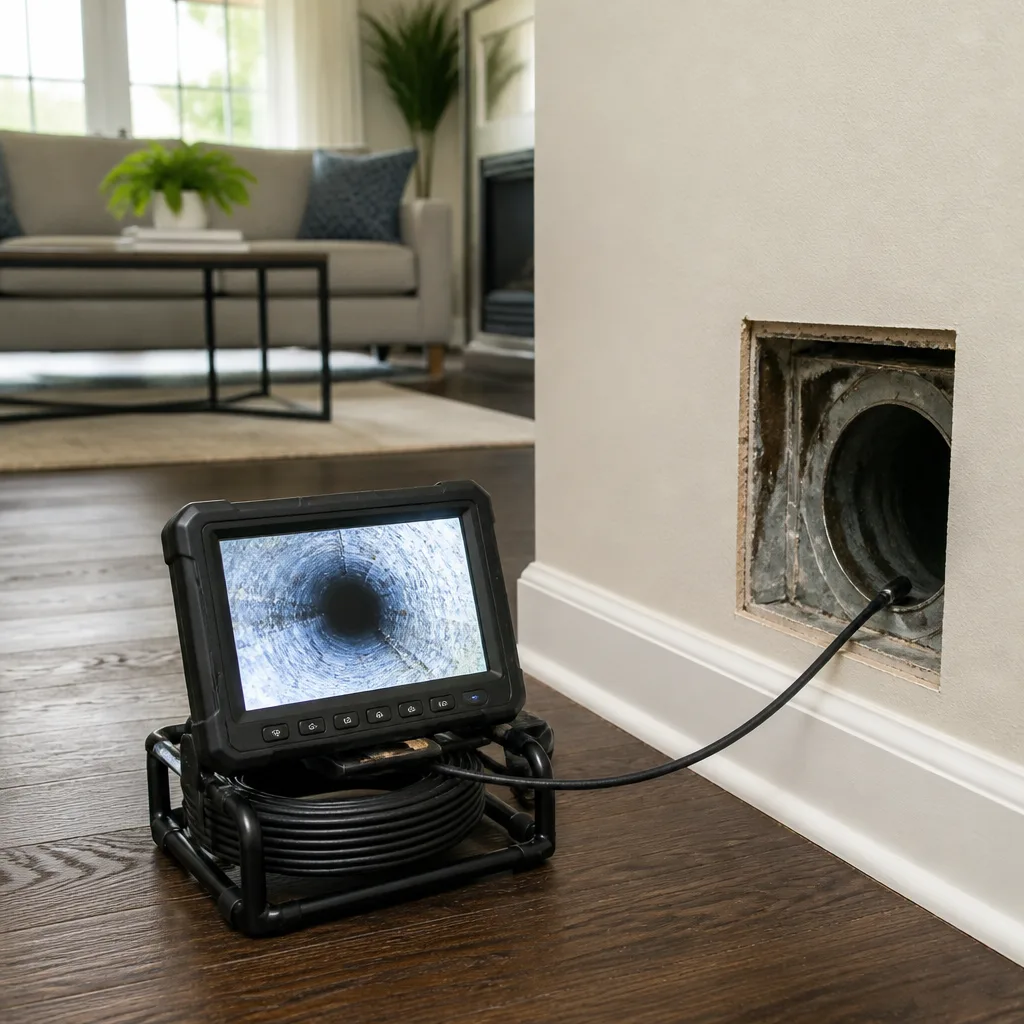 Camera inspection
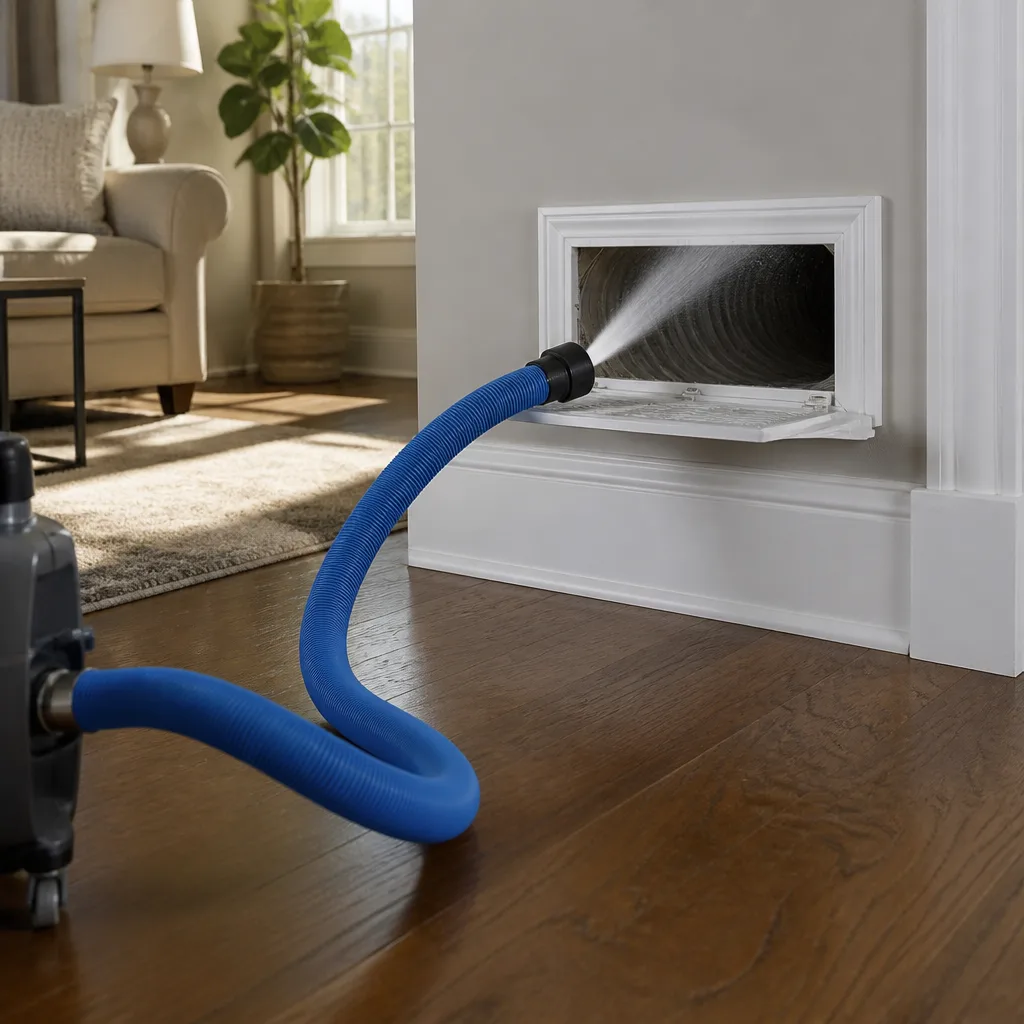 Sanitizing & deodorizing
Whole-system duct and dryer vent check with before-and-after photos - you see exactly what came out of your vents
That "$99 whole-house special" is a bait ad - the real number appears once they are in your hallway, or the "clean" is a shop-vac at the register. We photograph the inside of your ducts before and after instead.
How to Hire an Air Duct Cleaning Contractor in Lakewood: A Step-by-Step Guide
Most people hire a duct cleaner the way they hire a plumber: something’s wrong, they call the first result, and they take the lowest bid. That approach works fine for a leaky faucet. It fails badly for air ducts, because the work is invisible, the standards are loose, and a crew can spend an hour in your basement and leave your ductwork exactly as dirty as it was. The EPA has warned homeowners about “$99 whole-house specials” since the 1990s. That pricing model still sits at the top of Lakewood search results today. In this guide we’ll walk through the credential checkpoints, the equipment questions, and the quote red flags that separate a real duct cleaning from a shop-vac visit. Lakewood homeowners deserve to know the difference before they book.
Styles & brands we work with
- Whole-home duct cleaning
- Dryer vent cleaning
- Camera inspection
- Sanitizing & deodorizing
Quick Answer
Hiring an air duct cleaning contractor in Lakewood means verifying three things before you book: that the company uses professional contact-cleaning and negative-pressure equipment, that it can show you before-and-after documentation of your own system, and that its quote covers a walk-through assessment, leak sealing, and sanitizing as line items rather than debris removal alone. A legitimate quote is written, itemized, and based on an inspection of your actual ductwork. Anything else is a guess dressed up as a price.
Table of Contents
- Why Most Duct Cleaning Quotes in Lakewood Fall Apart
- The Three Credential Checkpoints That Actually Matter
- The Equipment Questions to Ask Before You Book
- What a Legitimate Walk-Through Looks Like
- How to Write a Scope of Work That Includes Sealing and Sanitizing
- Red Flags in a Duct Cleaning Quote
- Common Mistakes to Avoid
- When to Call a Professional
Why Most Duct Cleaning Quotes in Lakewood Fall Apart
Clean ductwork is a mechanical job, not a marketing one. The companies that do it well invest in equipment that costs more than most vans, train technicians on how to use it, and quote per system because every house’s ductwork is different. The companies that do it poorly charge by the vent because it’s easy to count, push coupons because it’s easy to advertise, and spend as little time as possible on site. In Lakewood, where thousands of homes sit on crawlspace and basement duct runs built across several decades, that difference matters.
Here’s the trap. A $99 whole-house special sounds like a clean. It isn’t. It usually covers a main trunk line and a handful of vents, with everything else priced as an add-on once the technician is inside your home. The consumer’s defense is the same at every step: get it in writing, get it in writing, and get the scope in writing. A quote should describe what will be cleaned, what will be sealed, what will be sanitized, and what documentation you’ll receive at the end. If it doesn’t, the price is meaningless.
One more thing worth saying up front: your HVAC system is only as clean as the ducts it breathes through. You can install the best furnace on the market, but if the supply and return runs feeding it are caked with dust and debris, it’s moving that air into your living room. Duct cleaning is air quality work, and it should be priced and scoped as such. Our Air Duct Cleaning Lakewood Pros approach is to treat every job as a diagnostic first and a cleaning second, because the two are not separable.
The Three Credential Checkpoints That Actually Matter
Duct cleaning is lightly regulated in most states, which is exactly why credentials do the work that licensing rules don’t. Before booking, ask about three things. You don’t need a written dossier, but you should get clear answers without hesitation.
- NADCA membership. The National Air Duct Cleaners Association sets the methodology most credible contractors follow: source removal with negative pressure, containment of dislodged debris, and documented before-and-after evidence. A company that belongs to NADCA is at least plugged into that standard. A company that’s never heard of it likely isn’t following it.
- EPA 608 certification for refrigerants. This applies when the work touches your HVAC system, not just the ductwork. If a contractor is going to open, clean, or reassemble refrigerant lines, federal law requires EPA Section 608 certification. Ask whether the technicians on your job hold it. If the answer is a shrug, the scope of the job is probably narrower than what you were sold.
- Verifiable local insurance. Ask for a certificate of insurance and confirm it’s active. Any company doing work inside your home should carry general liability and workers’ compensation coverage. The vetted local pros we connect Lakewood homeowners with are licensed and insured as their state requires, and you should expect the same from anyone you hire directly.
One more credential worth asking about, though it’s less standardized: training. Rotobrush and Nikro both run training programs for the technicians who use their equipment. A company whose technicians have been through manufacturer training is a company that understands how its tools are supposed to be used. Ask the question. The way a contractor answers it tells you a lot.
The Equipment Questions to Ask Before You Book
“We use a truck-mounted vacuum” is the most common answer to the equipment question, and it’s not enough. A truck mount is only as good as its airflow rating, and the rating is what determines whether it can actually pull debris out of your ductwork or just stir it up. Debris removal needs sustained airflow measured in cubic feet per minute (CFM). Ask for the CFM rating of the equipment that will be on your job. If the answer is vague, the equipment is probably a shop vac with a long hose.
Here’s what to listen for instead:
- Contact-cleaning tools. Rotobrush contact-cleaning systems physically agitate and extract debris from duct walls. That’s the difference between cleaning and blowing dust around. Ask whether the crew uses a contact tool or just a vacuum hose.
- Negative-pressure containment. Nikro negative-pressure equipment creates a sealed draft that pulls dislodged debris toward the collection point rather than into your living space. This is what NADCA-recommended methodology looks like in practice.
- Air filtration on site. Abatement Technologies air-filtration units are deployed during a proper job to capture the particulates that get dislodged while the work is in progress. If a contractor doesn’t bring filtration, they’re letting your house absorb whatever comes loose.
- Sanitizing equipment. If the quote mentions sanitizing, ask what product and what equipment will be used. Honeywell and Aprilaire are recognized names in residential indoor air quality, and a contractor using those brands knows what they’re buying. “An antimicrobial fogger” with no product name is a red flag.
Notice that these are not all-or-nothing. A crew with the right contact tool but no on-site filtration is better than one with neither. But if a bidder can’t tell you what equipment they’ll use and can’t name a brand, they probably don’t own it. Professional-grade equipment, not big-box tools, is the first thing you should insist on when hiring a duct cleaner in Lakewood.
What a Legitimate Walk-Through Looks Like
If a contractor quotes your job without ever looking at your ductwork, the quote is not for your job. It’s for a template. A legitimate walk-through takes fifteen to thirty minutes and looks like this:
- They look at the furnace or air handler. They open the access panel, examine the blower compartment, and check the condition of the coil and filter. The state of the air handler tells them a lot about the state of the ducts it feeds.
- They inspect the supply and return openings. They remove at least one supply vent and one return grille and look inside with a light or a borescope. If it’s been a long time since the last cleaning, the inside of the return often tells the story fastest.
- They trace the duct routing. In Lakewood’s older neighborhoods, duct runs are often a mix of rigid metal trunk and flexible branch lines. A good assessment notes where the transitions are, because those are where leaks and contamination concentrate.
- They test airflow. They’ll check static pressure or do a simple airflow measurement to see whether the system is underperforming. Low airflow often signals a duct problem that’s not visible from the register.
- They write down findings. The quote you receive should reflect what they saw. If the assessment found disconnected sections or crushed flex runs, those show up as line items. If they don’t, the walk-through wasn’t really an assessment.
If a company wants to hand you a quote over the phone before ever seeing your system, that’s a signal. There are some services where phone quotes work. Duct cleaning in a Lakewood house built in the 1950s with original trunk and a retrofitted flex branch is a different job than a 2010s build with a sealed envelope and a modern plenum. A legitimate quote reflects that difference, and a legitimate quote requires a look first.
How to Write a Scope of Work That Includes Sealing and Sanitizing
Debris removal is the easy part of duct cleaning, and it’s also the part most companies stop at. But cleaning alone doesn’t fix the underlying problem if the ducts themselves are compromised. That’s why the scope of work should include three distinct phases: cleaning, sealing, and sanitizing. Ask for all three to be written into the quote as separate line items, with pricing for each so you can see what you’re actually paying for.
- Cleaning. Source removal of debris from the supply and return systems, including the trunk lines, the branch runs, and the air handler. The quote should say how many vents are included and how additional vents are priced, but the whole-system price should be one number, not a per-vent figure.
- Sealing. Repair and sealing of disconnected joints, gaps at register boots, and any compromised flex runs found during the walk-through. Sealing is what stops the dust from coming back and the conditioned air from leaking out. It’s the step most duct cleaners don’t offer at all, which is exactly why the scope needs to name it.
- Sanitizing. Application of an EPA-registered antimicrobial at the source of microbial growth and odor. Ask for the product name in writing. If the contractor can’t give you one, or says “we use an antimicrobial foggage,” push back on it. Fogging without a named EPA-registered product is a line item you can’t verify, and unverifiable line items don’t belong in a written scope.
- Documentation. Before-and-after photos of your own ductwork, not stock photos. Ask for confirmation that before-and-after documentation is part of the deliverable. If it isn’t, you have no way to know what was actually removed.
Once the scope of work is agreed, the price should be one flat price per system, with the estimate in writing. That’s it. If the price changes on the day of the job without a corresponding change in scope, walk away. Est
See the difference
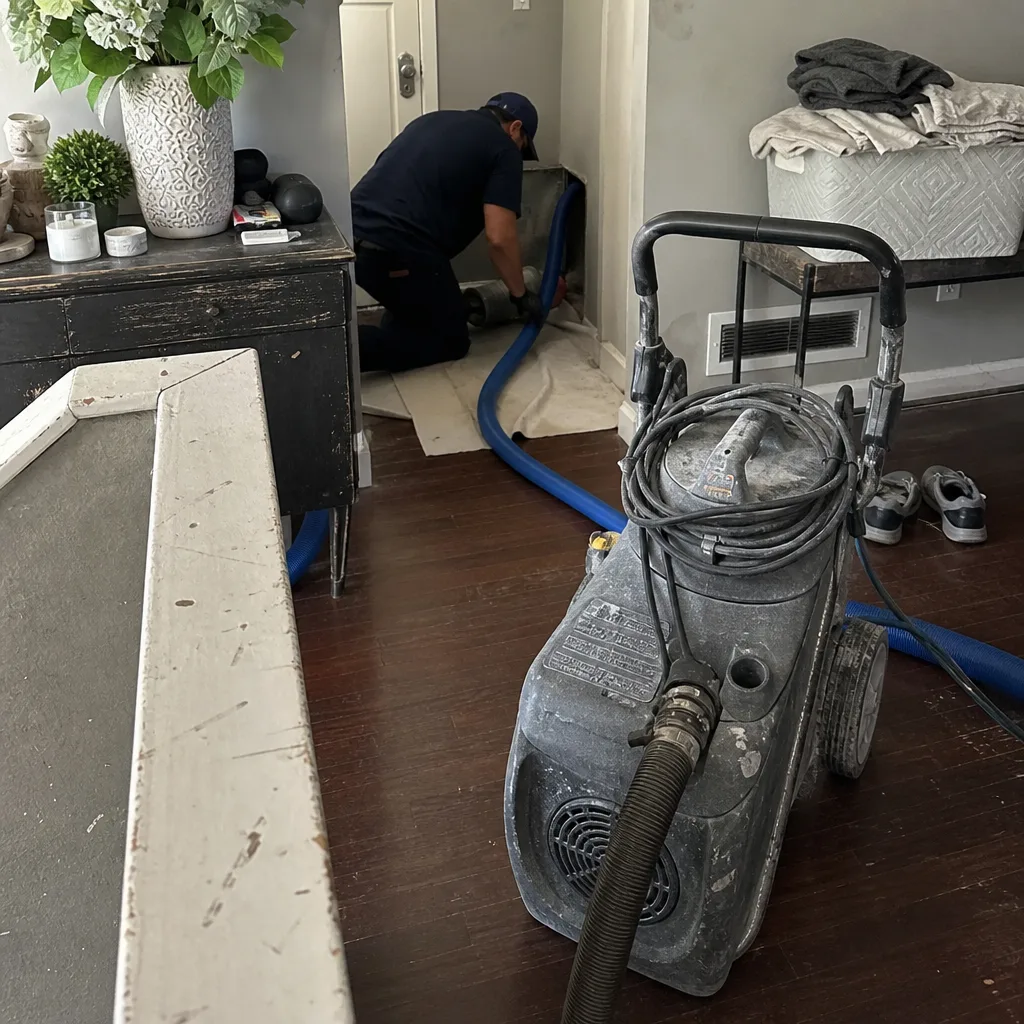 Before
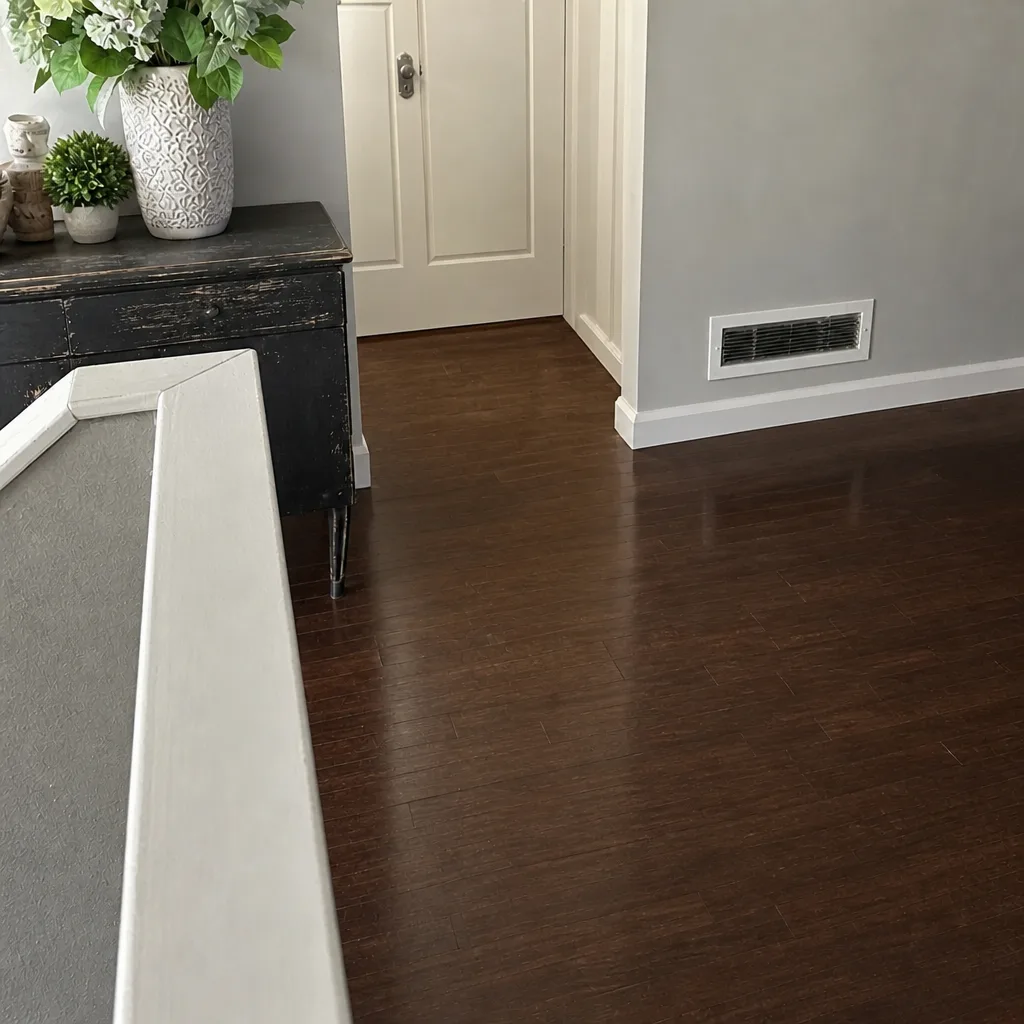 After
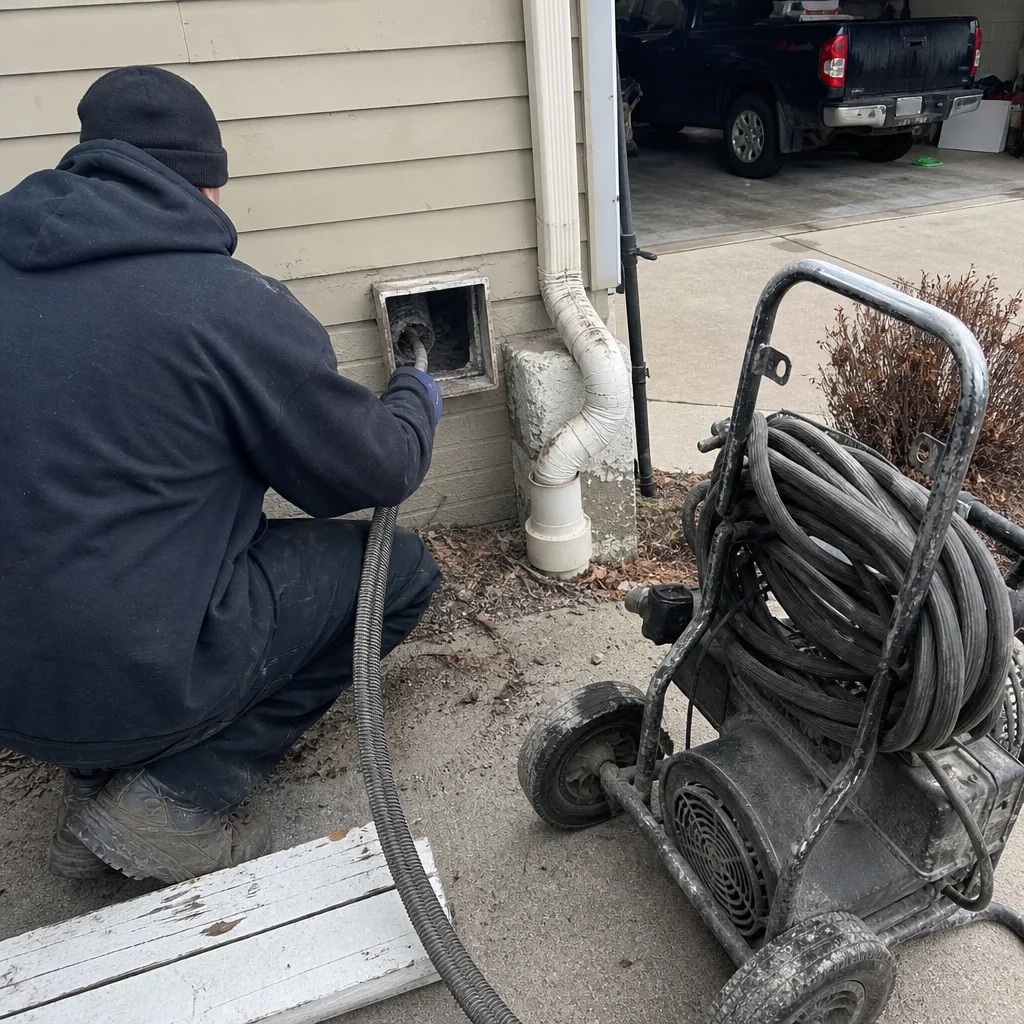 Before
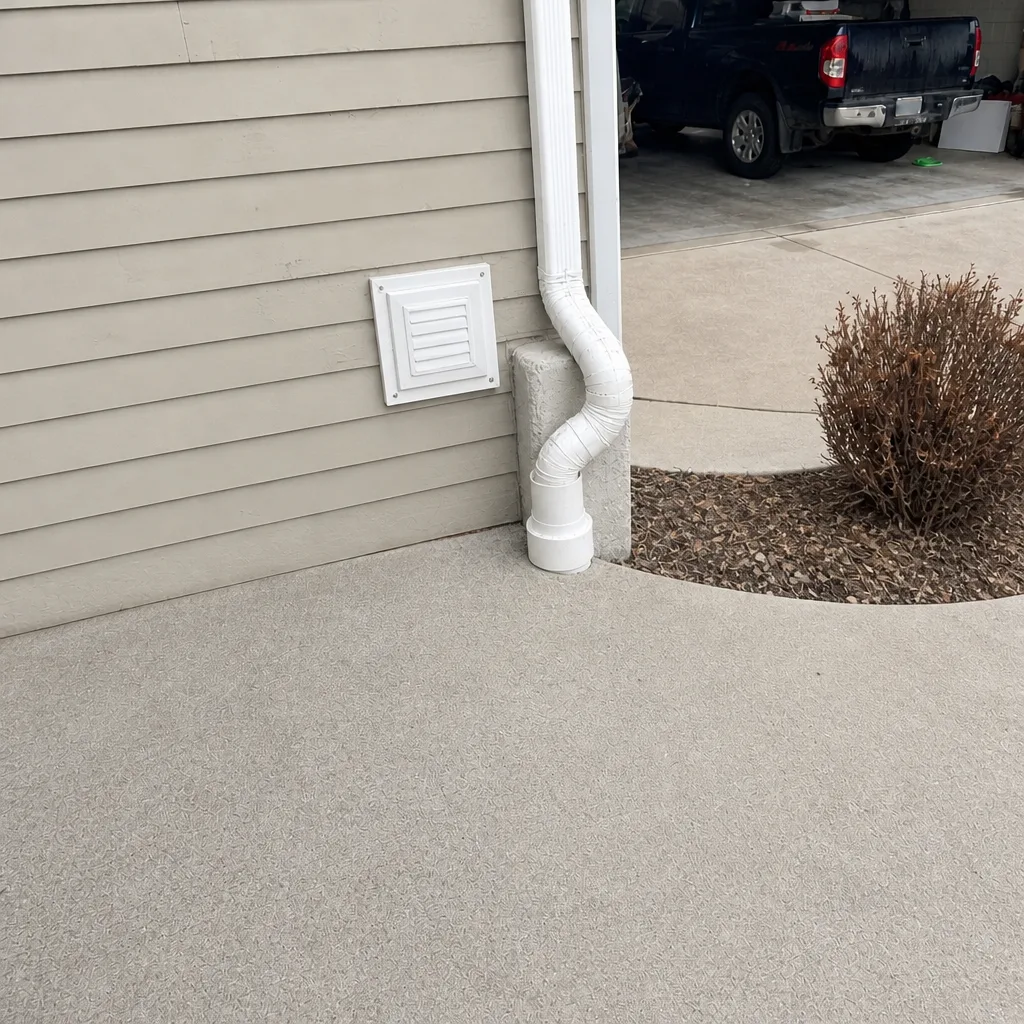 After
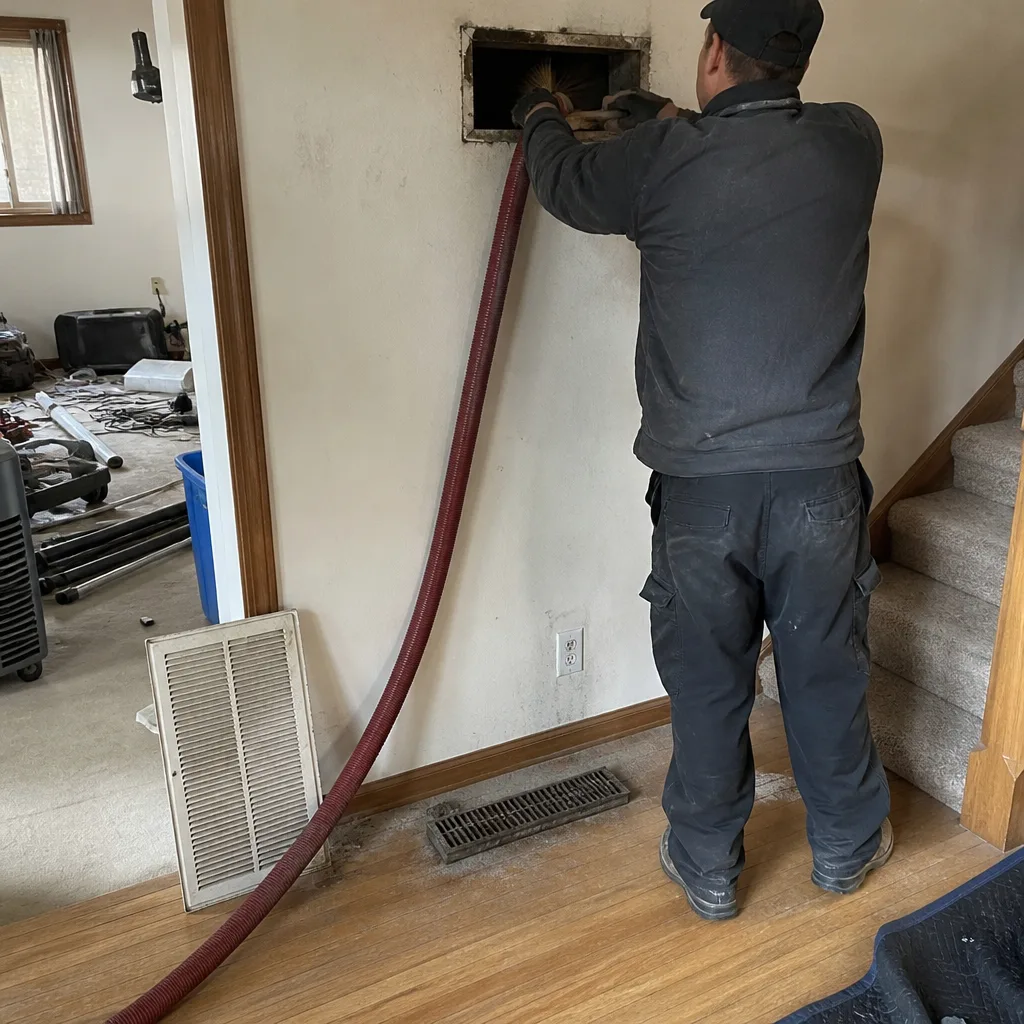 Before
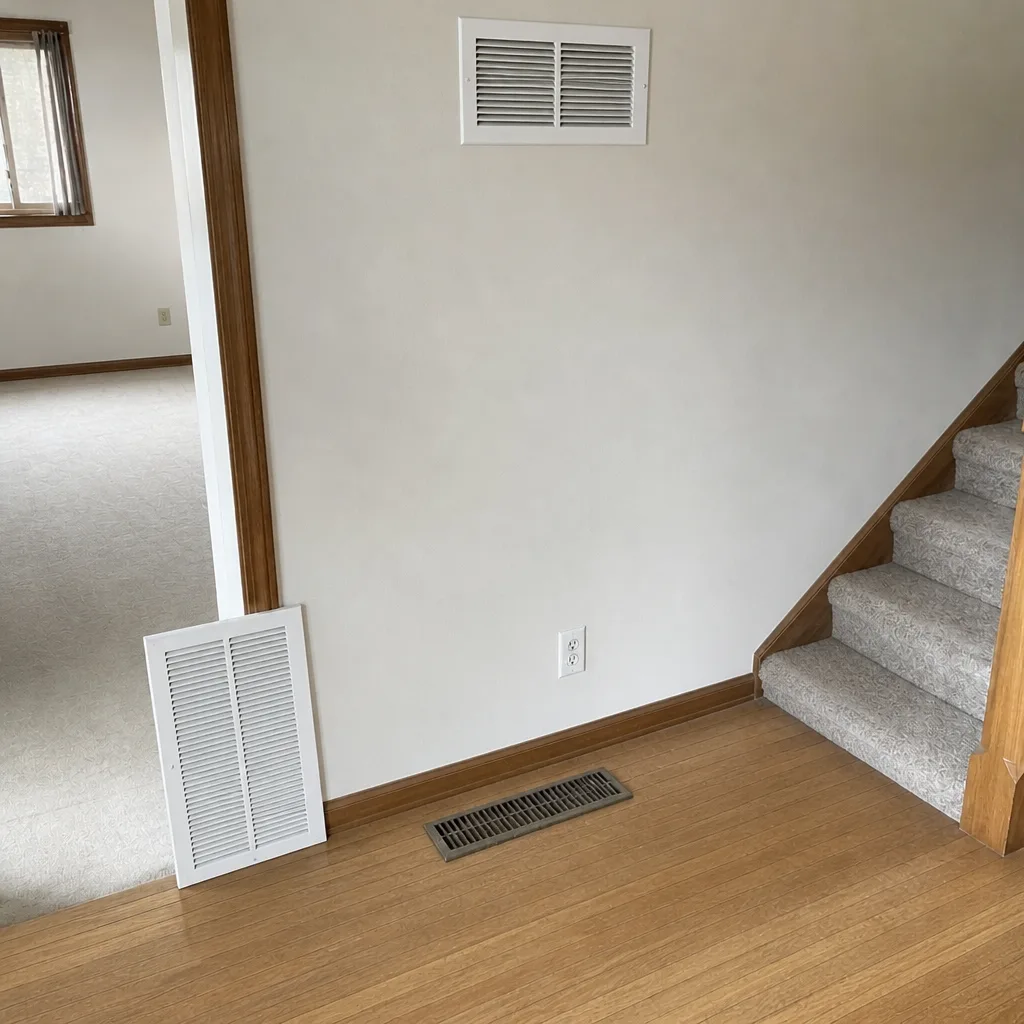 After