
Last updated November 25, 2026
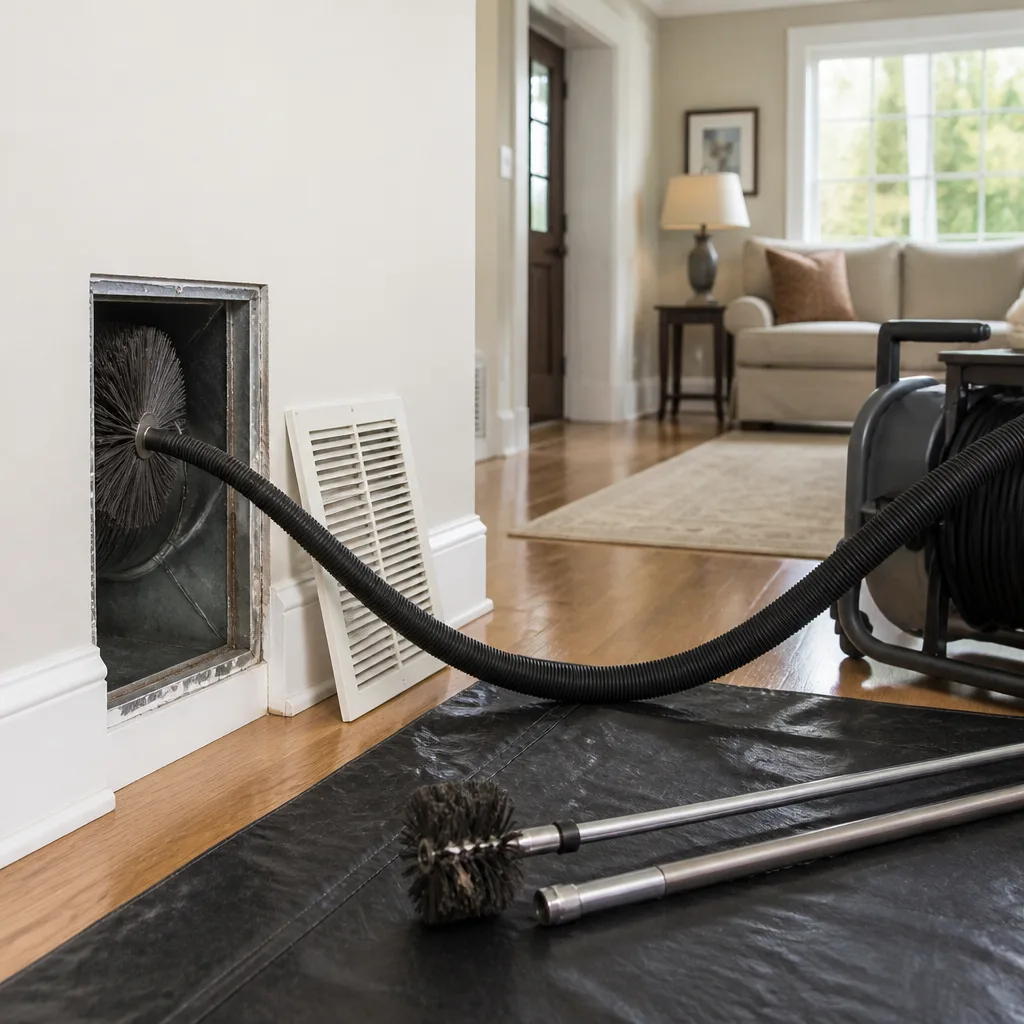 Whole-home duct cleaning
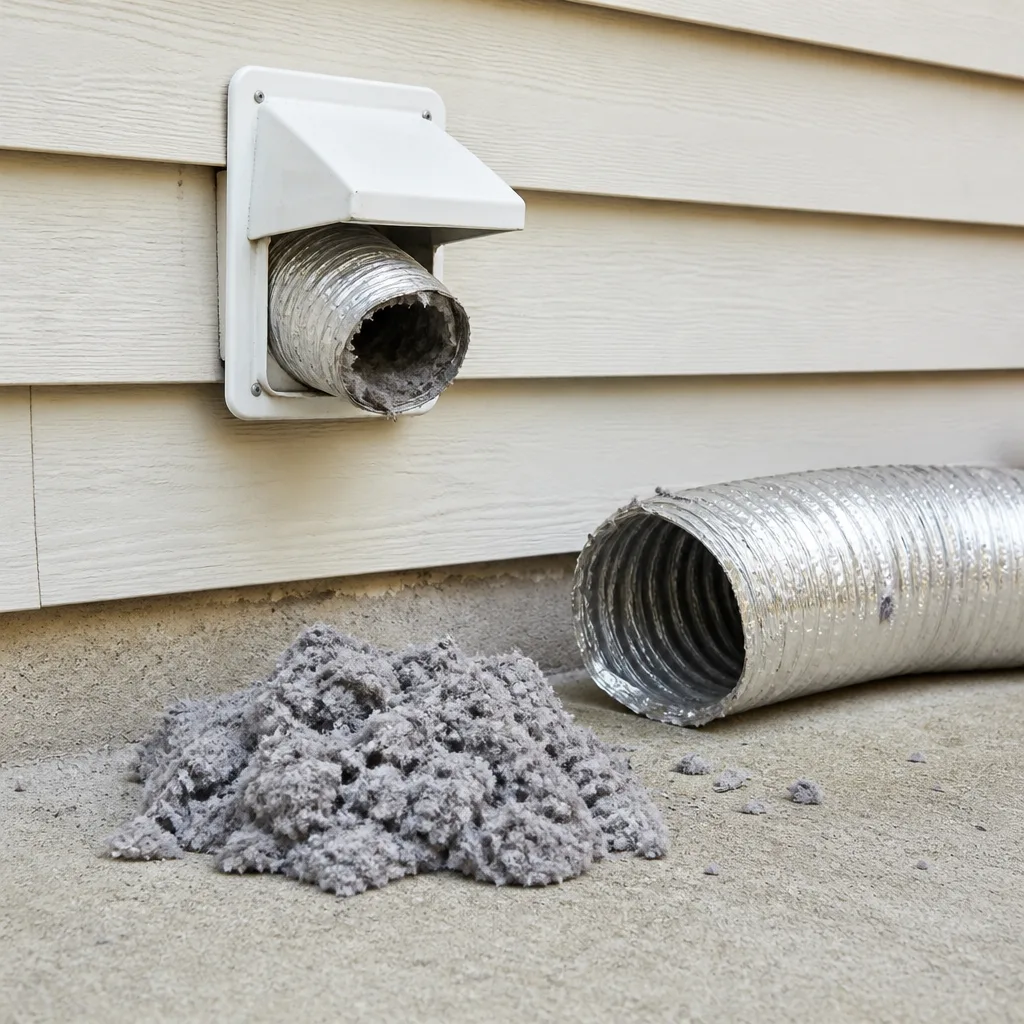 Dryer vent cleaning
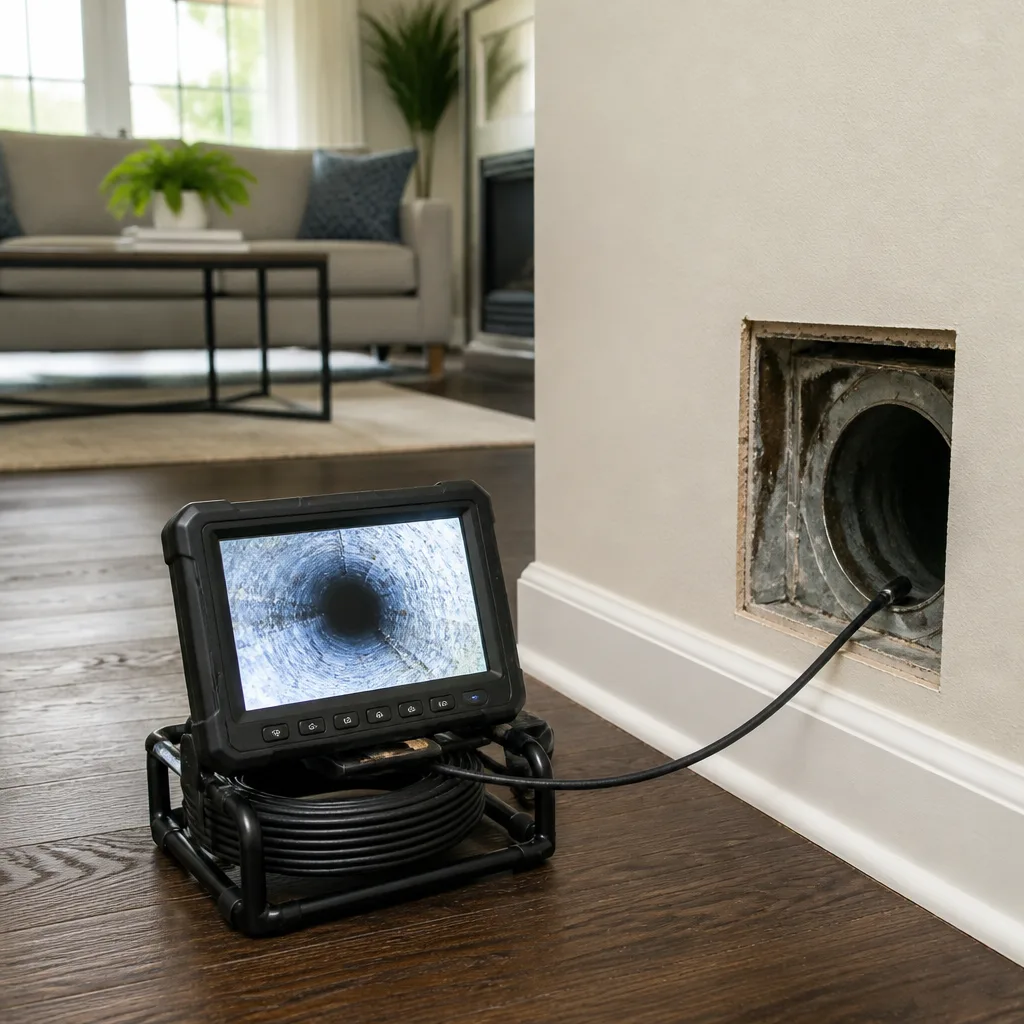 Camera inspection
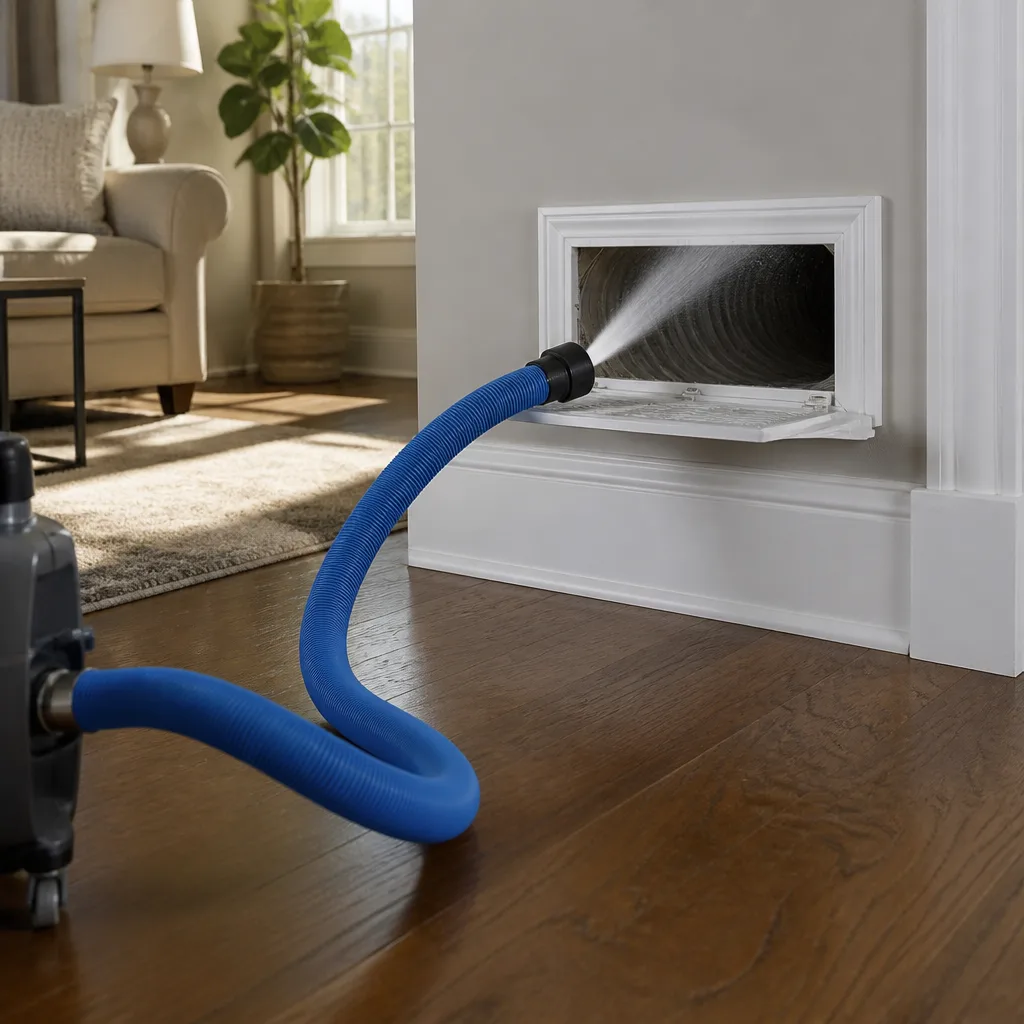 Sanitizing & deodorizing
Whole-system duct and dryer vent check with before-and-after photos - you see exactly what came out of your vents
That "$99 whole-house special" is a bait ad - the real number appears once they are in your hallway, or the "clean" is a shop-vac at the register. We photograph the inside of your ducts before and after instead.
Choosing the Right Air Duct Cleaning Brand: A Buyer’s Guide for Lakewood
Most homeowners never think to ask what equipment will be in their home. The quote comes in, the price looks reasonable, and the crew arrives with something that resembles a heavy-duty shop vac. Here’s the part that rarely gets explained: the difference between a Rotobrush contact-cleaning system and a consumer-grade vacuum isn’t a marketing detail. It’s the difference between source removal and surface disturbance – between actually pulling debris out of your ductwork and simply loosening it so it settles back into the living space a few hours later. In this guide, we’ll walk through the equipment brands that separate professional duct cleaning from the bargain-bin version, how to verify what a contractor actually owns, and what to ask before anyone steps into your Lakewood home.
Quick Answer
The right air duct cleaning brand is the one that shows up with professional-grade source-removal equipment – typically Rotobrush contact-cleaning systems, Nikro negative-pressure units, and Abatement Technologies air filtration – and can document that equipment before the job starts. Ask for the brand names, ask to see the machines when they arrive, and ask for before-and-after photos of your own ducts. Brand-name equipment isn’t a guarantee of quality work, but it’s the most reliable early signal that a contractor has invested in doing the job correctly.
Styles & brands we work with
- Whole-home duct cleaning
- Dryer vent cleaning
- Camera inspection
- Sanitizing & deodorizing
Table of Contents
- Why equipment is the best proxy for contractor quality
- What Rotobrush, Nikro, and Abatement equipment actually does
- How to verify equipment claims before you hire
- What “HEPA-filtered” really means in duct cleaning
- How equipment limits affect the realistic scope of the job
- Why contractors who own the machines make different decisions
- Reading a contractor’s reputation without a review count
- Common mistakes to avoid
Why Equipment Is the Best Proxy for Contractor Quality
Price is the easiest thing to compare and the least useful. Every quote you get will promise the same outcome – clean ducts. The variable that actually determines whether that outcome happens is what’s in the truck. A contractor running a true source-removal system has spent real capital on machines designed to meet the NADCA cleaning methodology, and that spend shapes every decision downstream: who they hire, how long a job takes, what they’ll refuse to cut corners on.
The gap between equipment tiers is wide. A commercial contact-cleaning system like the Rotobrush line – including the BrushBeast – costs many multiples of what a consumer vacuum costs. That’s not a knock on shop vacs; it’s a recognition that the two machines are built for entirely different tasks. One is engineered to agitate debris loose from duct walls under controlled pressure and extract it out of the system. The other is engineered to pick up sawdust off a garage floor.
In our experience across Lakewood homes, the equipment question sorts contractors faster than any other. When a company quotes a suspiciously low number, the first thing to ask is what machine will be doing the work. Nine times out of ten, the answer explains the price.
- Professional-grade: Rotobrush contact cleaning, Nikro negative pressure, Abatement Technologies filtration. Meets NADCA-recommended methodology.
- Mid-tier: Truck-mounted vacuums without agitation tools. Better than nothing, but limited on caked-on debris.
- Consumer-grade: Wet/dry shop vacuums with a hose attachment. Surface disturbance, not source removal.
If you want to understand the full scope of what professional equipment enables, start with our guide to air duct cleaning and work backward from the outcome you want to the tools required to get there.
What Rotobrush, Nikro, and Abatement Equipment Actually Does
The three equipment categories serve completely different mechanical purposes, and a legitimate job needs all three working in sequence. Here’s the plain-language version of what each one does.
Rotobrush: rotating brush agitation
Debris inside ductwork doesn’t sit loose. Over years, dust, pet dander, pollen, and lint settle against the duct walls, and moisture from normal household humidity can cause that layer to adhere. A vacuum alone pulls the loose material but leaves the adhered layer in place. Rotobrush systems carry a rotating brush head on a flexible whip that physically travels the length of each duct run, agitating that bonded layer off the walls so it can be captured. The brush reaches into branches and elbows that a straight hose cannot navigate.
Nikro: negative-pressure containment
Once debris is dislodged, it has to go somewhere. Nikro negative-pressure equipment places the duct system under constant vacuum during cleaning so that dislodged particulates are pulled toward the collection unit, not into the living room. Negative pressure is the difference between cleaning a duct and stirring up a duct. It’s also the component most often missing from a cheap bid, because a proper negative-pressure setup is bulky, expensive, and requires a trained operator to run safely.
Abatement Technologies: air filtration during the job
Even under good negative pressure, some material escapes the work area. Abatement Technologies air-filtration units are deployed on-site to capture airborne particulate during the job itself, so the air in your home stays reasonably clean while the work is happening. This is a step most contractors skip, and it’s the one homeowners notice afterward – less dust settling on furniture, fewer complaints from the family room neighbors.
Honeywell and Aprilaire: post-cleaning air quality
Once ducts are clean, sealing and sanitizing with recognizable IAQ brands like Honeywell and Aprilaire addresses microbial growth and odor at the source. That’s a separate service from cleaning, and it only makes sense after the ducts are source-cleaned. Cleaning a duct and then sanitizing without first removing the debris is like mopping a floor that hasn’t been swept.
If your system also drives a clothes dryer, our dryer vent cleaning service uses the same source-removal approach, and it’s worth scheduling alongside duct work because blocked dryer vents are a documented leading cause of residential fires.
How to Verify Equipment Claims Before You Hire
Every contractor will tell you they use professional equipment. Verifying that claim is straightforward and takes about five minutes on the phone.
- Ask for brand names. A contractor who genuinely runs Rotobrush or Nikro equipment will name those brands without hesitation. Vague answers like “commercial-grade” or “industrial” are a warning sign.
- Ask for job photos or video. Legitimate companies shoot before-and-after photos on nearly every job because they want the documentation. Ask to see examples that clearly show a branded machine in a residential setting.
- Ask to see the equipment when it arrives. Any contractor can bring a printed brochure. Watching them pull a branded unit out of the van is a different level of proof.
- Ask how negative pressure is set up. If the person on the phone can explain where the collection unit connects to your system and why, you’re talking to a professional. If they can’t, you’re not.
- Ask what happens during the job to protect the living space. Air filtration, drop cloths, and containment are the answer. Silence is also an answer.
- Confirm the price is per system, not per vent. Per-vent pricing incentivizes the contractor to do less work per vent, which is the opposite of source removal.
In our experience, contractors who actually own the equipment invite all six questions. Contractors who don’t tend to pivot to price.
What “HEPA-Filtered” Really Means in Duct Cleaning
The phrase “HEPA-filtered” gets used loosely, and in duct cleaning the distinction matters more than in most applications. A true HEPA filter captures 99.97% of particles at 0.3 microns. A household vacuum that markets “HEPA-style” filtration is typically capturing a much smaller share of the finest particulate at the exhaust, and only when the filter is new and correctly seated. In a residential vacuum, that’s fine. In a duct cleaning system handling pounds of fine dust, it’s not.
The reason this matters is that duct debris includes a large fraction of sub-micron particles – the kind small enough to stay airborne in a living space for hours after the crew leaves. If any part of the extraction chain isn’t adequately filtered, that material goes right back into the air your family breathes. This is why Abatement Technologies air-filtration units are deployed on every job we run: to capture the fraction that escapes negative-pressure containment at the collection point, and to keep airborne particulates low throughout the work area.
- True HEPA: rated for 99.97% at 0.3 microns, tested, and used with proper containment.
- HEPA-style: similar media, no meaningful capture test, no containment – marketing language.
- No filtration claim: honest but inadequate for duct cleaning; expect particulate to re-enter the space.
When you’re comparing quotes, ask which filtration unit will be on site. A brand name – Abatement Technologies, for example – is a real answer. “HEPA filtration” alone is not.
How Equipment Limits Affect the Realistic Scope of a Job
Equipment determines what’s actually possible on any given system. A contractor without the right tools doesn’t clean the harder duct runs – they skip them, sometimes without mentioning it. Here’s how equipment capability affects the scope of work you should expect.
Long trunk lines
In Lakewood homes, HVAC trunk lines can run thirty feet or more from the air handler to the farthest register. A short cleaning hose doesn’t reach the portion of that trunk where the heaviest debris accumulates. Rotobrush whip systems are designed for exactly these runs, traveling the full length of the trunk while maintaining agitation against the duct walls.
Inaccessible plenums
The supply and return plenums connect the air handler to the ductwork and often sit in closets, crawl spaces, or tight mechanical chases. Cleaning them requires tools that operate in confined spaces, and containment setups that don’t need a full room. This is often the dirtiest part of the system and the easiest for an under-equipped crew to skip.
Flex duct branches
Flex duct has a corrugated interior that traps debris in the ridges. Only a rotating brush can reach into the grooves; a straight hose slides over the top of the debris. Standard rigid duct cleaning heads don’t work here, and the correct brush head has to match the flex duct’s diameter so the duct isn’t damaged in the process.
Compromised ductwork
If a duct is unsealed, disconnected at a joint, or crushed somewhere in the run, cleaning it correctly is only part of the job. The HVAC cleaning work we do includes duct repair and sealing because cleaning a leaking system and walking away leaves the underlying problem in place – new debris drawn in through the leak, energy lost at the same joint. Most duct cleaning companies don’t offer this step at all, which is why we built it into the service lineup.
Get the scope conversation on the phone before the crew arrives. Ask how many trunk lines and how many branches, and ask specifically whether plenums are included. A per-system price that doesn’t specify scope is a price you can’t compare.
Why Contractors Who Own the Machines Make Different Decisions
Capital investment changes behavior. A contractor who has spent serious money on Rotobrush, Nikro, and Abatement equipment has strong financial reasons to use that equipment correctly on every job. The machines are only worth owning if the work they enable actually gets done, and the reputation that justifies the investment is built one job at a time.
Compare that to the contractor running consumer-grade vacuums. Their cost per job is low, which means their incentive structure is different – volume-driven, low-margin, and no downside to skipping a difficult trunk line. If they lose a customer, there’s no sunk cost in equipment that needs to be paid back.
The second effect is on training. Professional systems require real operator skill: setting negative pressure, choosing the right brush head for each duct type, sequencing the cleaning from the farthest branch back to the collection unit. A contractor who owns the machines and doesn’t train their crew wastes the investment, so training becomes a practical necessity, not a nice-to-have.
The third effect is on what a job looks like. A one-visit scope covering cleaning, dryer vent, repair and sealing, and sanitizing – five distinct service categories – is the natural output of a company built around professional equipment. It’s not possible with a shop vac and a hose. For the full picture of what a single well-equipped visit covers, see Air Duct Cleaning Lakewood Pros.
Reading a Contractor’s Reputation Without a Review Count
Review counts are noisy. Instead of chasing a number, look at what a contractor volunteers for verification. Do they show before-and-after photos as a standard part of the job, not a special request? Do they name their equipment brands unprompted? Are they willing to give a written estimate that spells out per-system scope, or do they prefer a ballpark on the phone and a different number at the door?
In the Lakewood market specifically, the more useful signal is how a company handles the harder duct configurations – plenums in tight chases, long trunk runs in older homes, and flex duct branches. A contractor with a strong local reputation in Lakewood will have a clear answer for each of these, and will already know how the systems in the neighborhood tend to be laid out. Ask what they typically see on homes in your part of the city, and see whether the answer sounds like experience or a script.
One more practical check: ask who handles the repair-and-sealing piece when a duct problem turns up mid-job. If the cleaning crew can’t address it and the company has to bring in someone else, that’s a scope gap you’ll feel on the invoice. A single-team visit that can clean, repair, and sanitize is a cleaner arrangement.
Common Mistakes to Avoid
- Comparing on price alone. A quote that’s half of the next one is half the work, not half the margin. Ask what’s being skipped before you celebrate the number.
- Accepting “we use professional equipment” as an answer. Brand names or it didn’t happen. Rotobrush, Nikro, and Abatement Technologies are the names to listen for.
- Booking a per-vent price. Per-vent pricing turns a cleaning into a counting exercise. A flat per-system price with a documented scope is what you want.
- Skipping the before-and-after photos. Any contractor can say the job was done. Photos of your own ducts confirm it, and they should be standard, not a favor.
- Ignoring the dryer vent because the ducts are the bigger job. In any Lakewood home where the dryer shares the mechanical area with the HVAC, blocked lint in the dryer vent is the more immediate safety concern. It’s a fire-safety service, not optional maintenance.
- Cleaning a leaking system and stopping there. If ductwork is unsealed or disconnected, cleaning without repair pulls new debris in on the first cycle. Ask about sealing as part of the estimate.
- Sanitizing before cleaning. Applying sanitizer to a duct that still holds debris treats the surface and leaves the source. Cleaning comes first, sanitizing comes after.
See the difference
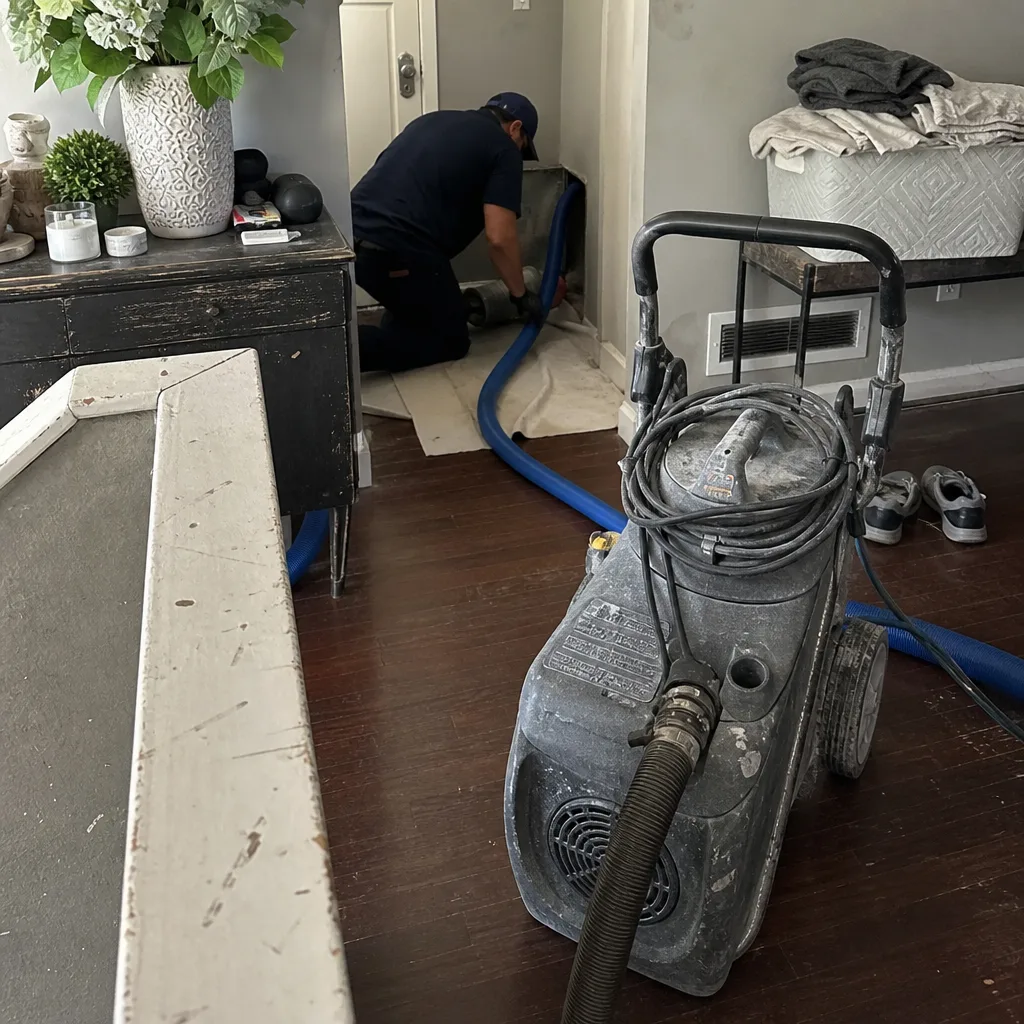 Before
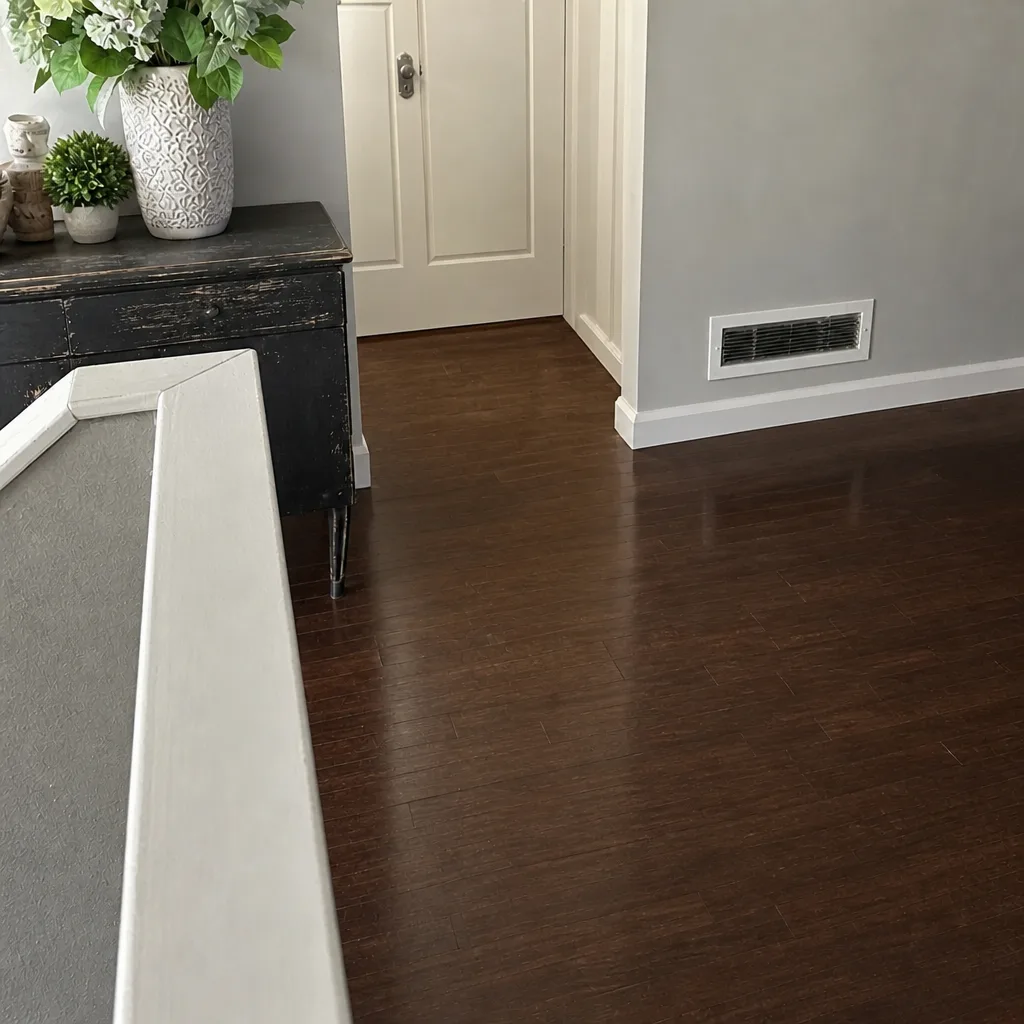 After
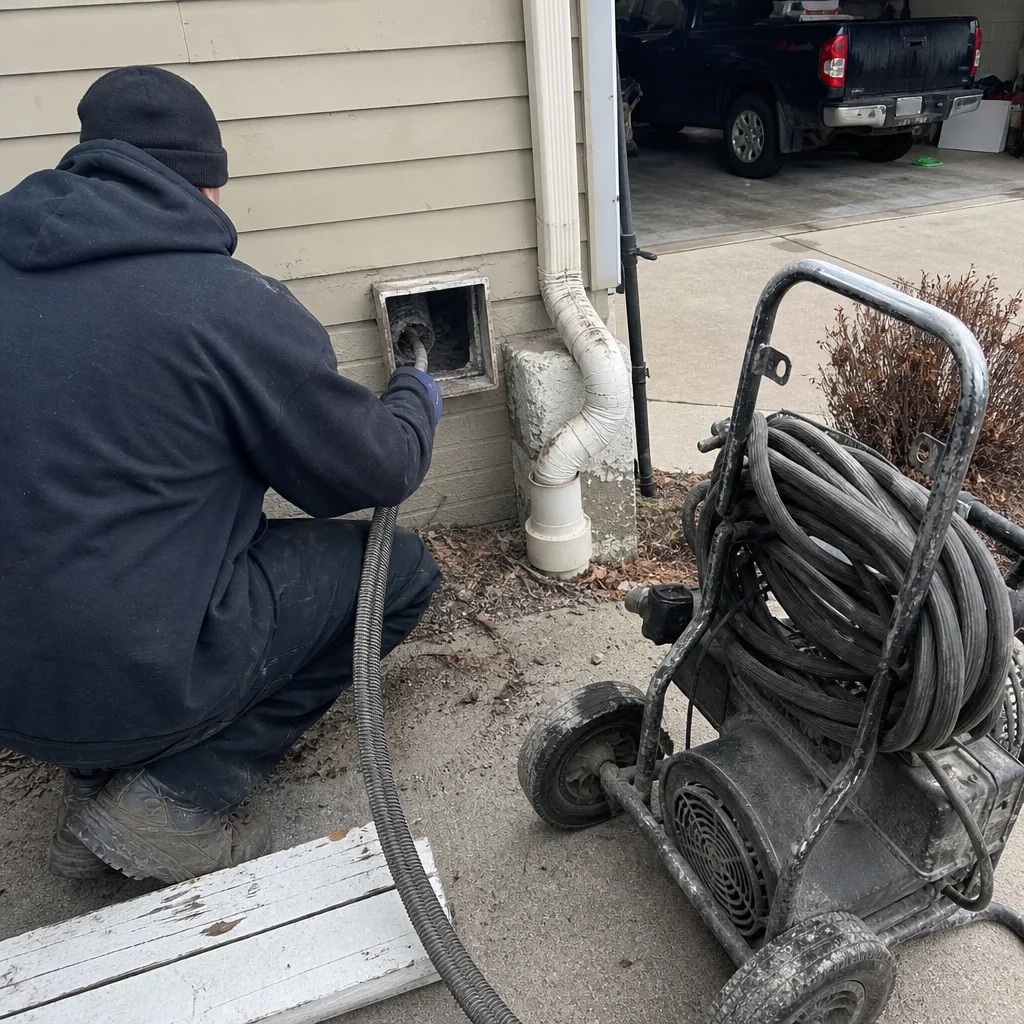 Before
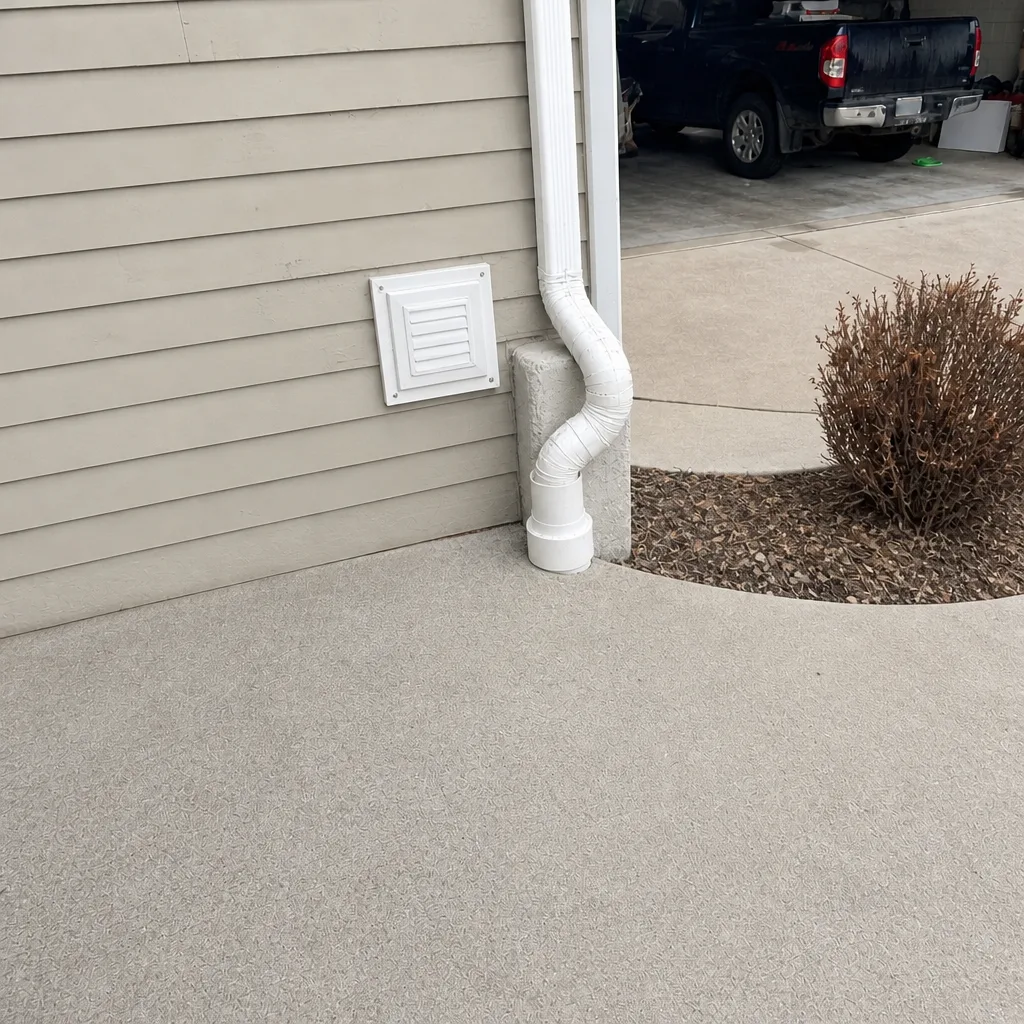 After
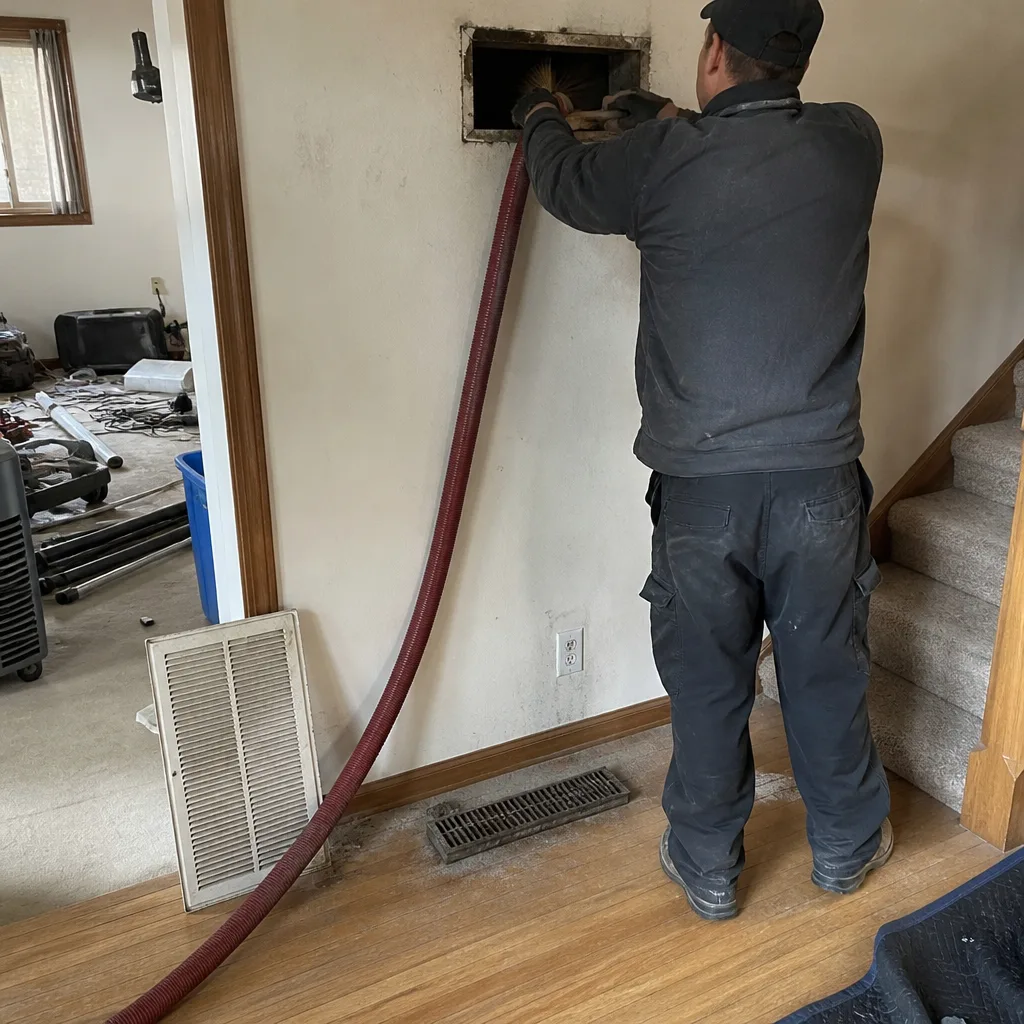 Before
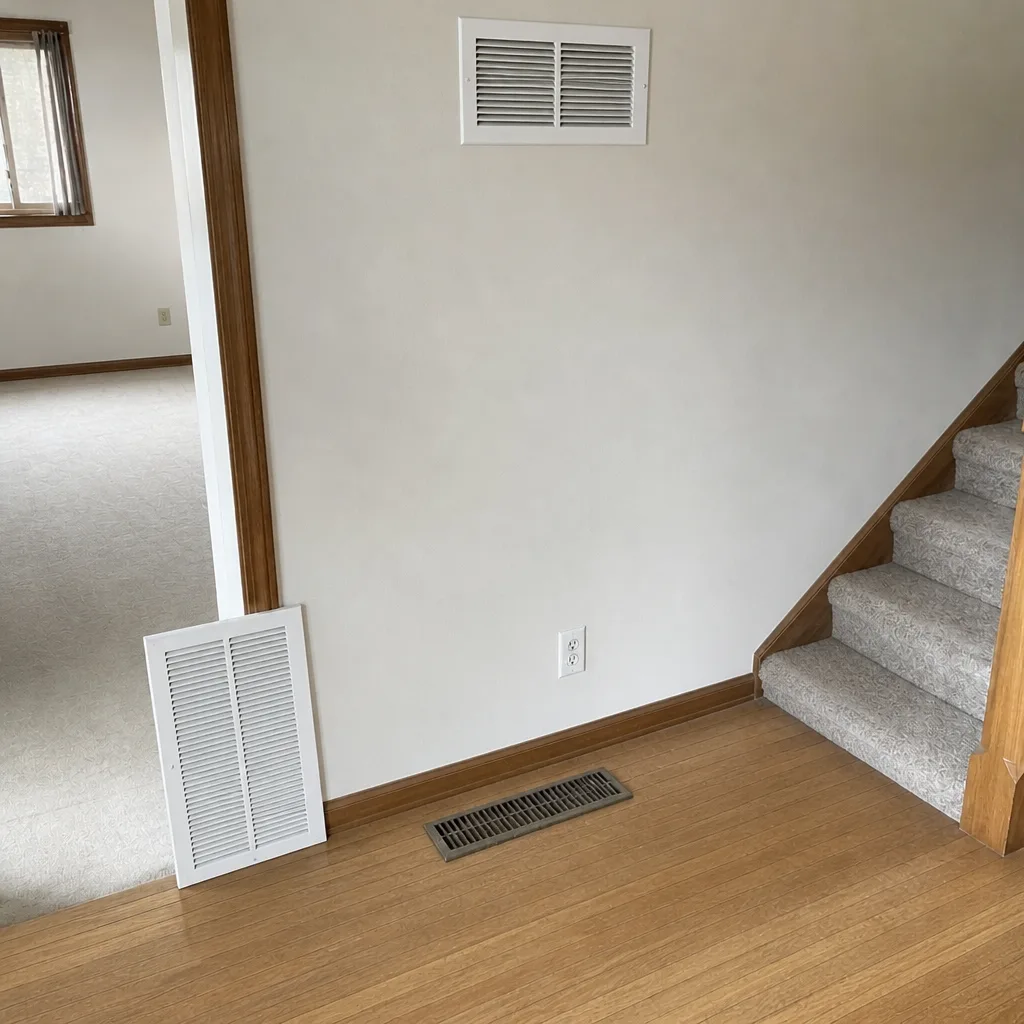 After
When to Call a Professional
Some air quality signals are worth taking seriously right away. If you’re seeing visible dust blowing out of supply registers shortly after the HVAC kicks on, that’s debris in the ducts. Musty or stale odors that show up when the system starts and fade when it stops point to microbial growth somewhere in the ductwork or plenum. Persistent allergy symptoms in a home where the ducts haven’t been serviced in years are worth investigating with a professional cleaning. Reduced airflow at registers, higher energy bills without a rate change, or a dryer that takes noticeably longer to dry a load are all signs that duct or vent service is overdue.
Air Duct Cleaning Lakewood Pros offers free estimates in Lakewood – call (844) 625-7378. The local pro is licensed and insured as their state requires, works from a written per-system quote before any work starts, and provides before-and-after photos of your own ducts.
Frequently Asked Questions
There’s no single “best” brand because the equipment categories do different jobs, and a professional job needs all three. Rotobrush is the standard for contact cleaning; Nikro is the standard for negative-pressure containment; Abatement Technologies is the standard for on-site air filtration. A contractor running all three – or their clear equivalents – is set up to do source removal correctly. If you want an exact quote for your system, call (844) 625-7378 – estimates are free.
Prices vary with the size and configuration of the system, so any number quoted before the system is seen is a guess. What we can tell you is that the honest structure is one flat price per system, agreed in writing before work starts, with the scope spelled out – how many trunk lines, how many branches, whether plenums are included. If a quote comes in per-vent or as a teaser price that grows at the door, walk away. Call (844) 625-7378 for an exact quote – estimates are free.
Because they’re priced for different work. A quote built around a consumer-grade vacuum and a hose covers surface disturbance, not source removal, and often skips the trunk lines, plenums, and flex branches that require specialty tools. The machine doing the work explains the price. Ask what equipment will be on site and which duct runs it can reach – then compare quotes on equal scope. Call (844) 625-7378 if you’d like to walk through your system first.
Ask for before-and-after photos of your own ducts – not stock images, not examples from another home. A professional cleaning also produces evidence you can check in the house itself: the collection unit should show captured material, and the airflow at each register should be noticeably better right after the job. Reputable contractors shoot photos on every job because they want the documentation. Call (844) 625-7378 for a free estimate with that documentation standard built in.
The honest answer is that it depends on the home, not a calendar. Homes with pets, recent remodeling, or long gaps since the last cleaning generally need it sooner than a newer build with no pets. Visible dust at supply registers, musty odors when the system starts, or allergy symptoms that track with HVAC cycles are all reasons to check the ducts rather than wait. A professional inspection will tell you whether cleaning is warranted. Call (844) 625-7378 for a free estimate.
A properly done source-removal cleaning helps; a cheap vacuum job does not, and can briefly make things worse by stirring up particulate. The difference is negative-pressure containment plus on-site air filtration during the job, which keeps dislodged material out of the living space. That’s the standard set by Nikro negative pressure and Abatement Technologies air filtration, and it’s what to ask about before you book. Call (844) 625-7378 to talk through your system.
The Bottom Line
Brand-name equipment is not a marketing detail. Rotobrush contact cleaning, Nikro negative-pressure containment, and Abatement Technologies air filtration are what separate source removal from surface disturbance, and they’re the most reliable signal of how a contractor will handle your ducts. Ask for brand names. Ask for before-and-after photos. Insist on a flat per-system price agreed in writing before the work starts. If you’d like a free estimate on a system in Lakewood, Air Duct Cleaning Lakewood Pros is ready to walk through it with you. Call (844) 625-7378. We answer 24/7. Fast dispatch from 7am to 7pm, Sunday through Friday.
Written by the team at Air Duct Cleaning Lakewood Pros.