
Last updated November 25, 2026
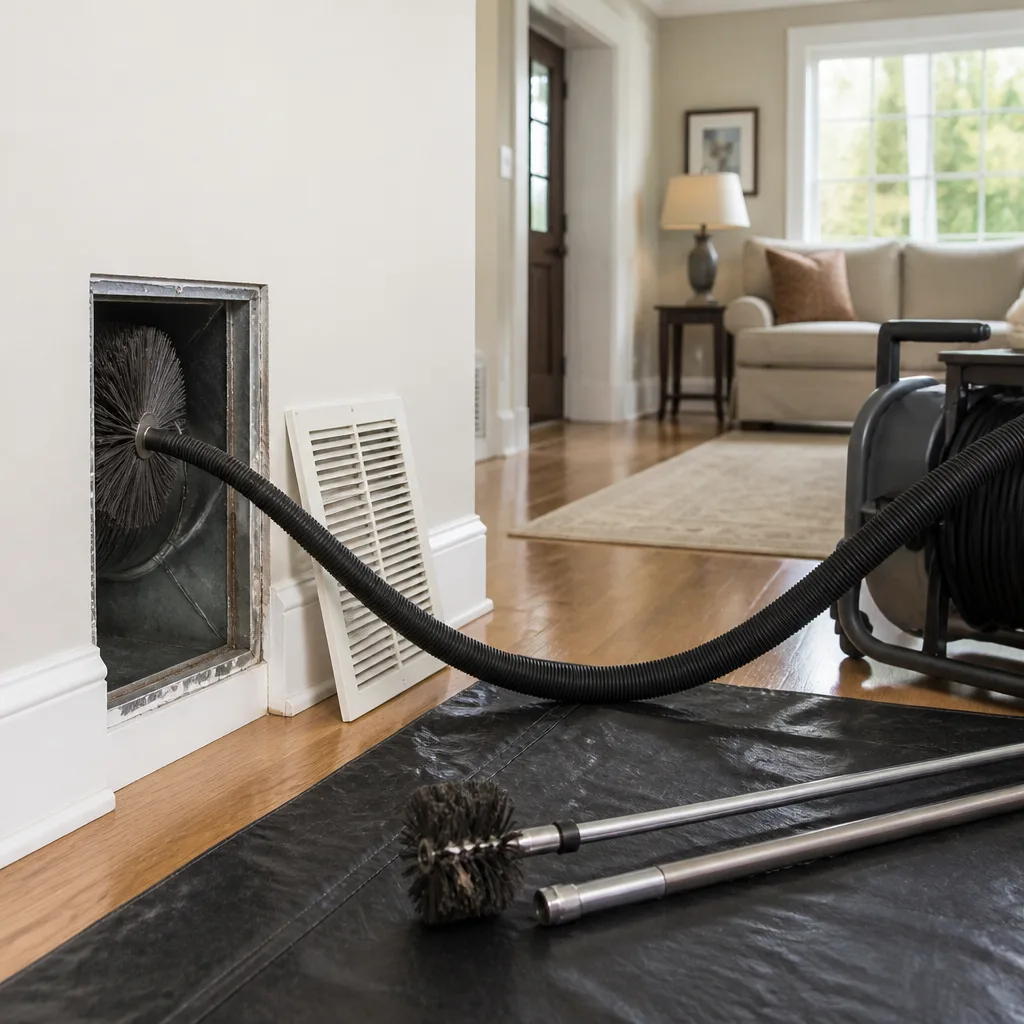 Whole-home duct cleaning
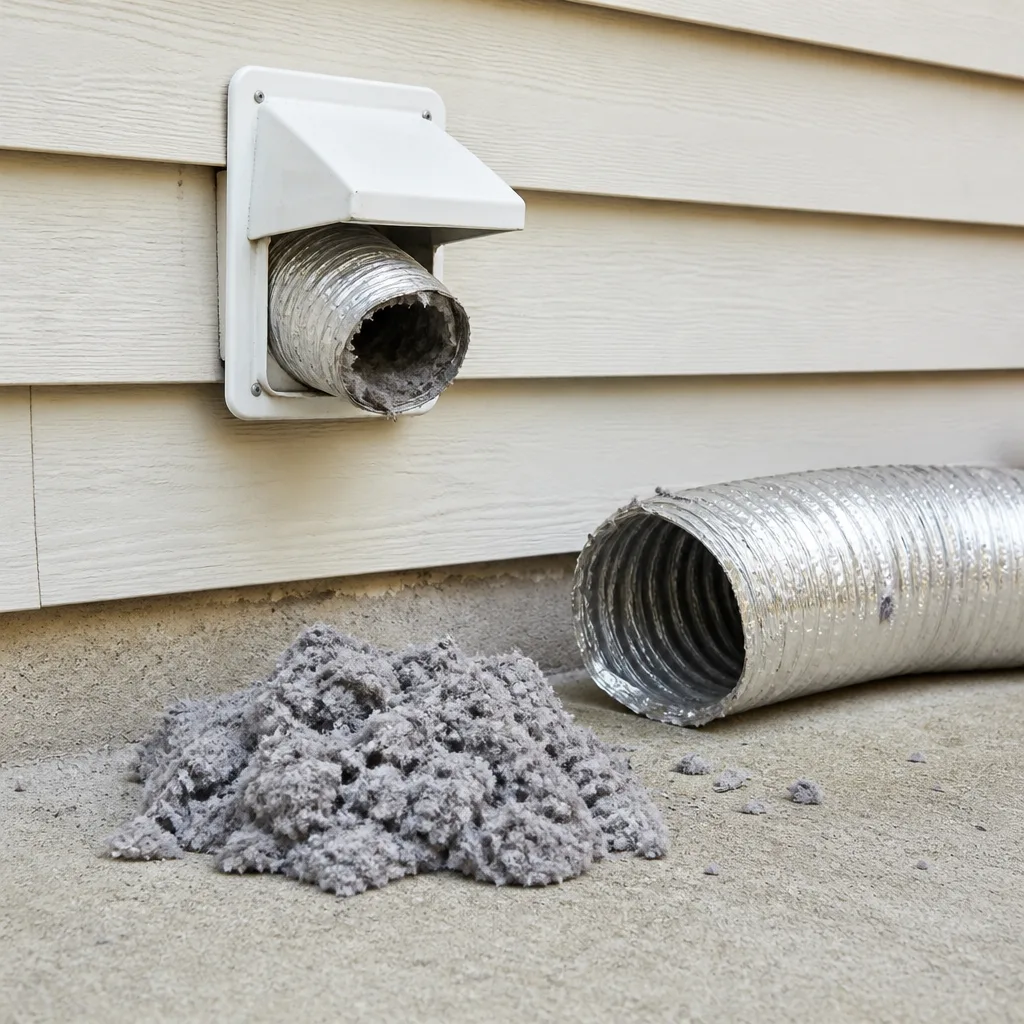 Dryer vent cleaning
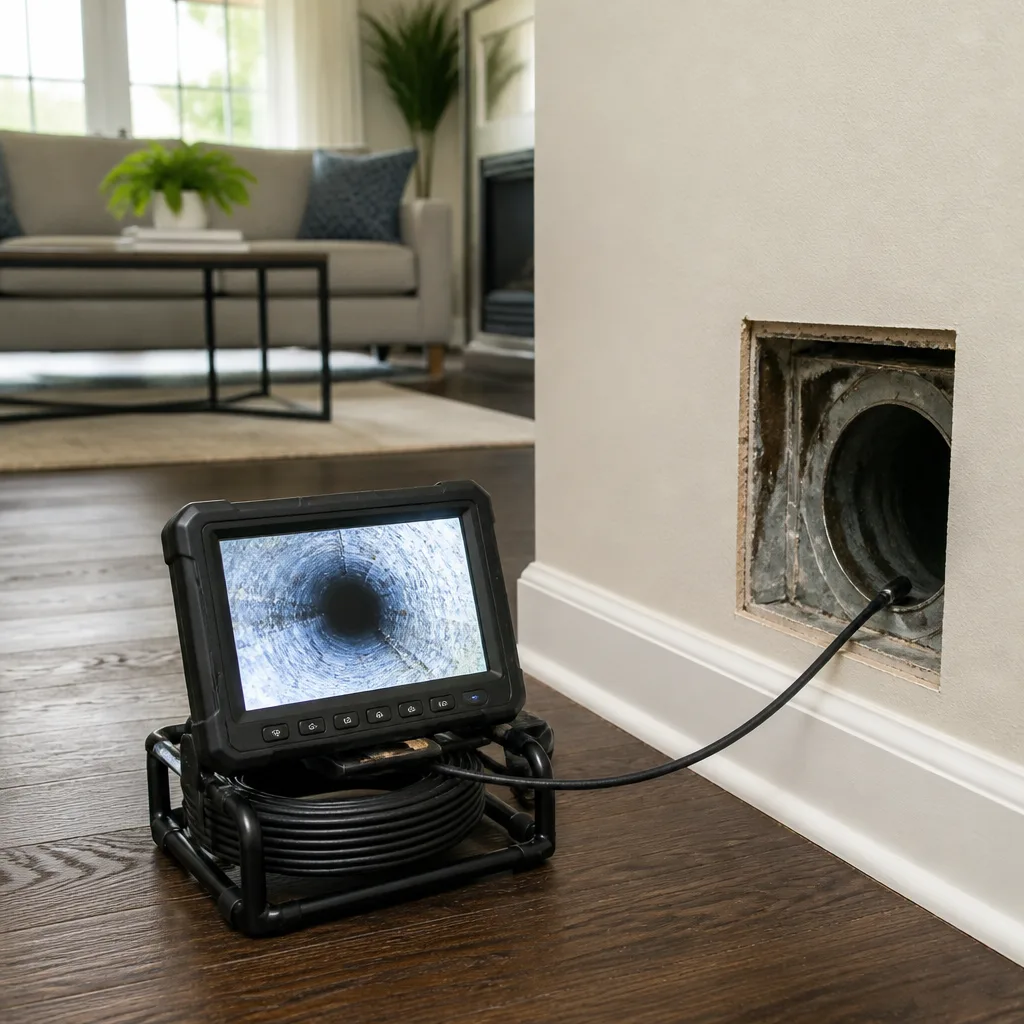 Camera inspection
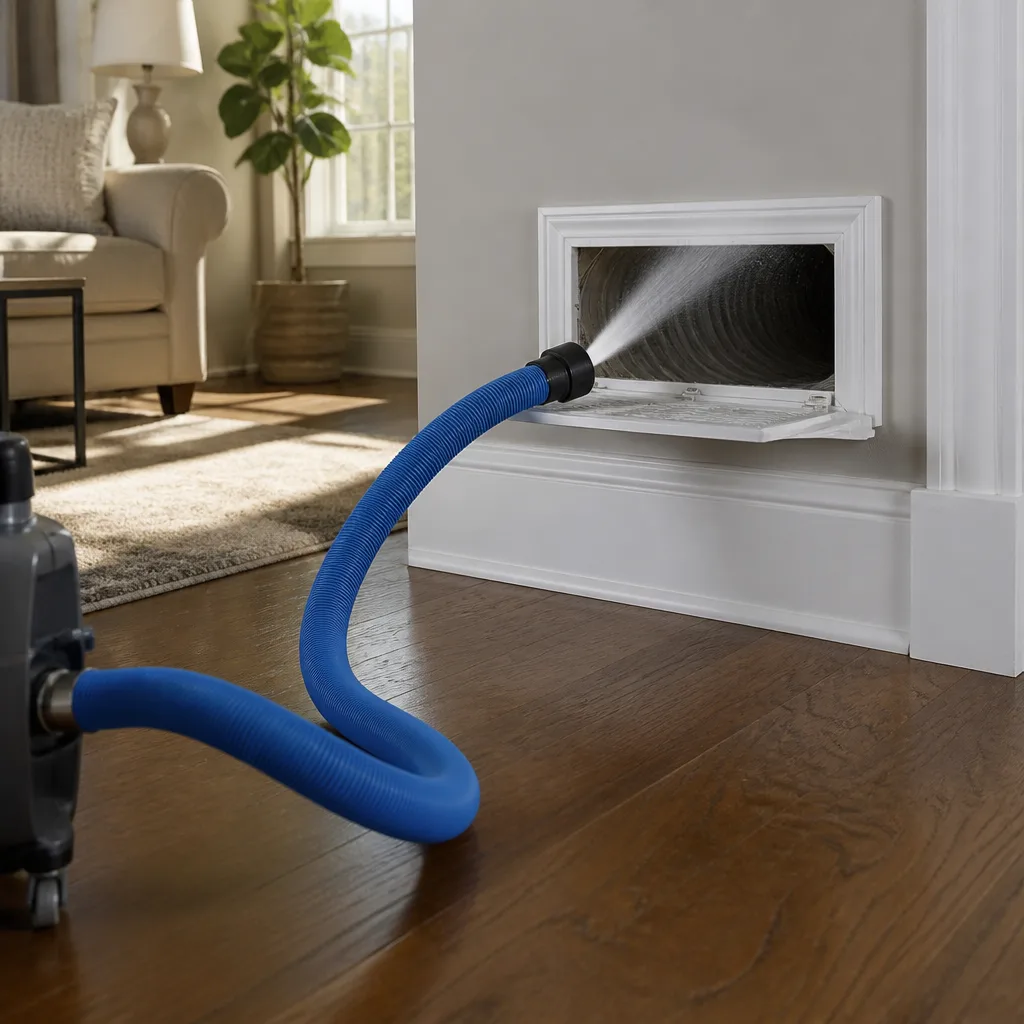 Sanitizing & deodorizing
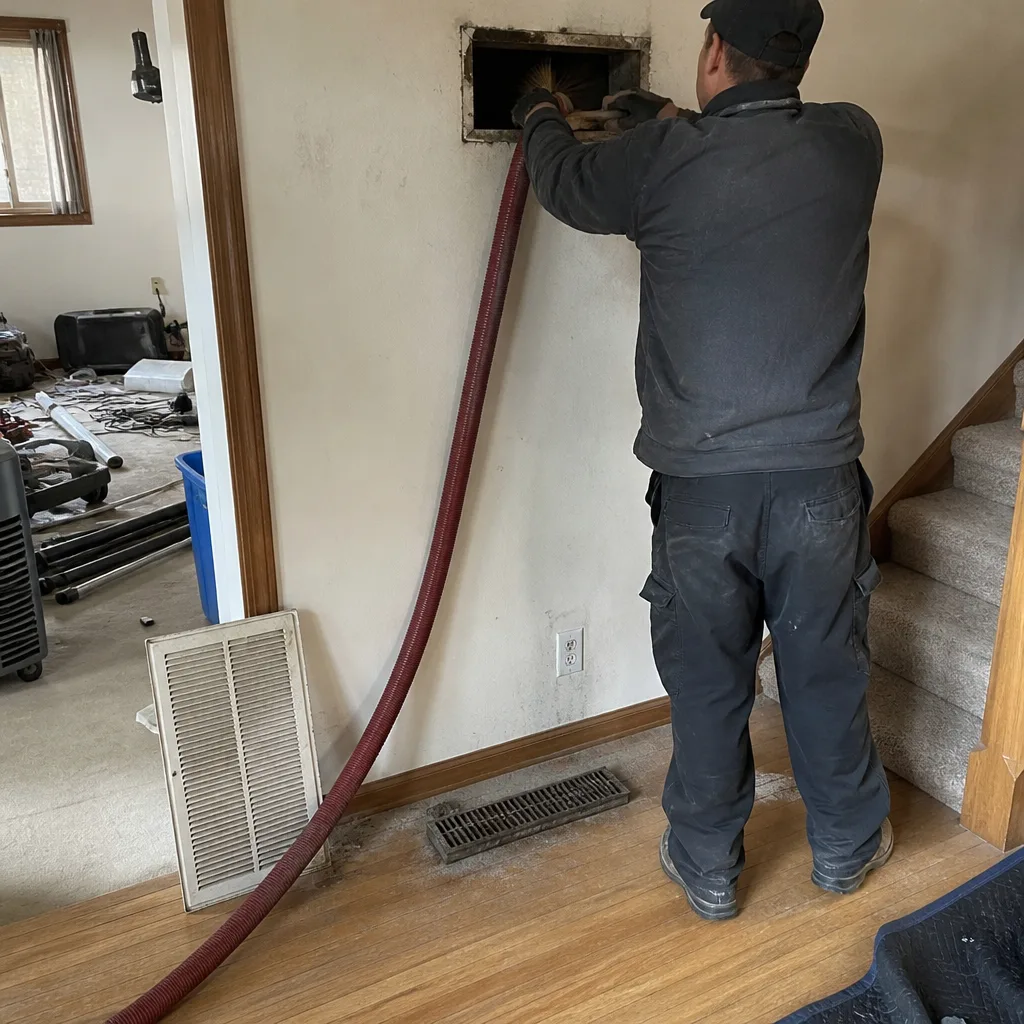
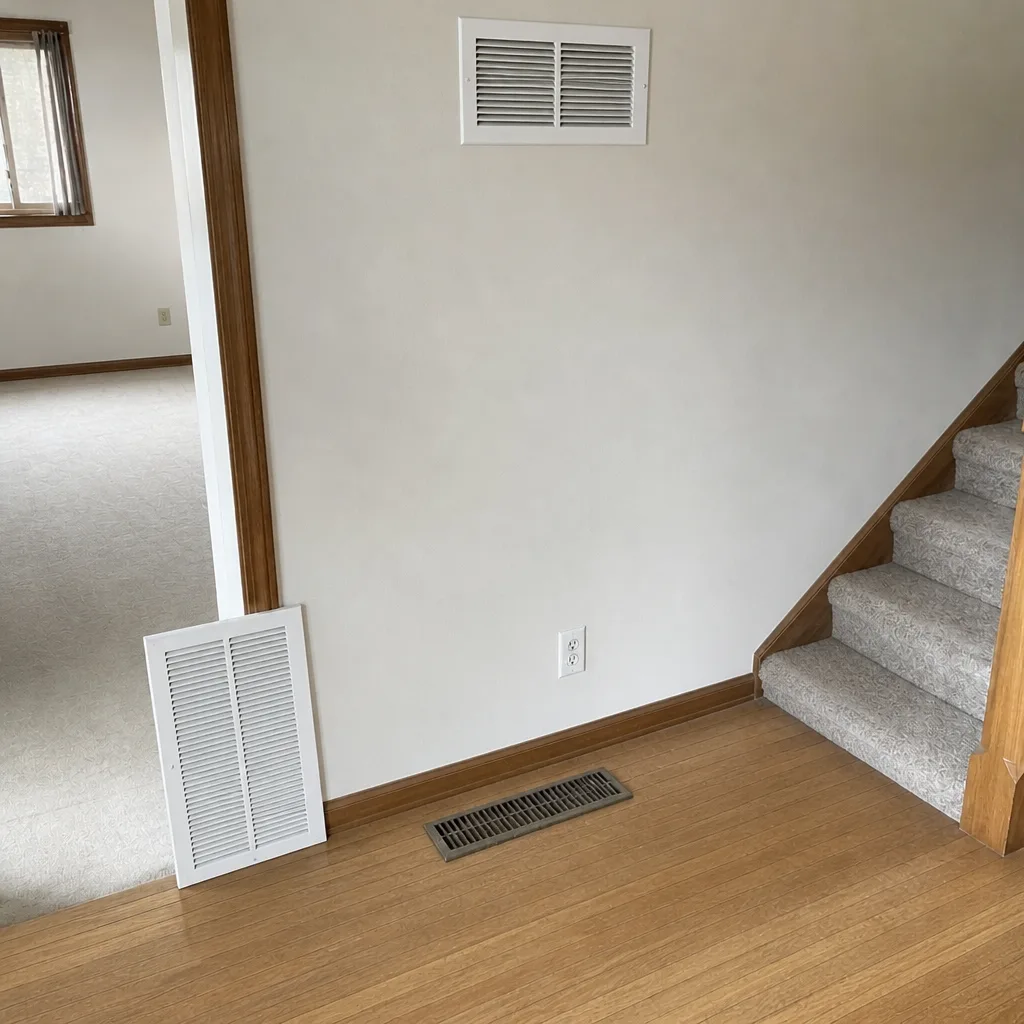
Whole-system duct and dryer vent check with before-and-after photos - you see exactly what came out of your vents
That "$99 whole-house special" is a bait ad - the real number appears once they are in your hallway, or the "clean" is a shop-vac at the register. We photograph the inside of your ducts before and after instead.
The Complete Guide to Air Duct Cleaning in Lakewood
Most duct cleaning guides you’ll find online were written for a house at sea level in a humid climate, and that’s the first problem. Lakewood sits above 5,400 feet, where the air is thin and dry and your furnace and air conditioner run longer, harder duty cycles to hold a comfortable temperature. Longer run times mean more air moving through your ductwork every single day, and more air moving through means more dust, dander, and debris pulled in and deposited on the walls of the ducts. That combination of elevation, semi-arid air, and a housing stock that spans everything from mid-century builds to the 1990s growth boom creates contamination patterns you won’t read about in a national checklist. This guide covers what actually happens inside Lakewood ductwork, how to tell real source-removal cleaning from a surface wipe-down, and what a genuinely complete job looks like.
Quick Answer
Air duct cleaning in Lakewood means removing accumulated dust, dander, and debris from the inside of your ductwork using negative pressure and mechanical agitation, not just vacuuming the registers you can see. A proper job follows the source-removal method, uses professional equipment like Rotobrush contact-cleaning tools and Nikro negative-pressure units, and ideally finishes with sealing leaks and sanitizing where microbial growth or odor is present. In Lakewood’s dry, high-elevation climate and older housing stock, most homes benefit from an inspection every few years rather than a fixed calendar schedule.
Styles & brands we work with
- Whole-home duct cleaning
- Dryer vent cleaning
- Camera inspection
- Sanitizing & deodorizing
Table of Contents
- Why Lakewood’s Elevation Changes Everything for Your Ducts
- Source Removal vs. Surface Cleaning: How to Tell the Difference
- How Lakewood’s Housing Stock Shapes Duct Contamination
- What Professional Equipment Actually Does Inside a Duct
- The Full-Service Scope: Clean, Seal, Sanitize, Verify
- Dryer Vent Cleaning: The Fire-Safety Side of the Same Visit
- How to Choose a Duct Cleaning Company in Lakewood
- What Air Duct Cleaning Costs in Lakewood
Why Lakewood’s Elevation Changes Everything for Your Ducts
At 5,400-plus feet, the air is thinner, which means your HVAC system has to work harder to move the same volume of conditioned air through your home. That extra effort translates into longer run times, and longer run times mean the blower is pulling air through your return ducts for more hours of the day than a system at sea level would. Every hour of operation pushes more particulate past the filter and into the supply and return runs. Over a season, the accumulation adds up faster than most people expect.
The semi-arid climate compounds it. Denver-metro air carries fine dust and pollen that a humid climate would partly hold down or wash out of the air. In Lakewood, that dry particulate stays suspended longer and gets drawn into the return system more readily. Pet dander behaves the same way – it stays airborne, circulates, and settles on duct walls where a standard filter never touches it.
Here’s what that means in practice for a Lakewood home:
- Longer heating and cooling seasons stretch the hours your system runs each year.
- Dry air keeps fine dust and dander airborne longer, so more of it reaches the return.
- High-elevation temperature swings push the system through more on-off cycles.
- Older duct systems with seams and joints collect debris at every connection point.
In humid climates, duct cleaning is often framed around mold and moisture. In Lakewood, the dominant problem is dry particulate accumulation – dust, dander, pollen, and construction debris from remodels – layered onto duct walls over years. That’s a different cleaning problem, and it calls for equipment built to agitate and extract dry debris rather than to dry out a damp system. When we assess a Lakewood home, the first thing we look at is how much has accumulated and where, not what the calendar says.
Source Removal vs. Surface Cleaning: How to Tell the Difference
Source-removal cleaning is the industry-standard method for actually getting debris out of a duct system, and it’s the method the National Air Duct Cleaners Association (NADCA) recommends. It means physically agitating the debris off the duct walls while keeping the system under negative pressure so the loosened material is captured and pulled out, not redistributed into your living space. Surface cleaning, by contrast, is what you get when someone vacuums the visible registers, wipes the grilles, and calls it done. The ducts behind the walls are untouched.
The difference matters because the stuff that affects your air quality and your HVAC efficiency is inside the ductwork, not on the grille. A register looks clean even when the run behind it is coated.
Here’s how to tell which one you’re actually getting:
- Ask about negative pressure. A real source-removal job uses a negative-pressure machine connected to the system, not just a shop vac at one vent. This is the single biggest indicator.
- Ask about mechanical agitation. Contact cleaning uses a rotating brush or air whip that travels the length of each run. If the crew only has a vacuum hose, they’re not agitating the walls.
- Ask to see before-and-after photos of your own ducts. Not stock photos – your system. A crew that does genuine source removal can show you the difference inside the runs.
- Ask whether they seal and repair. Source removal cleans the ducts, but if the ducts are leaking at the seams, contaminated air and energy keep escaping. Sealing is the step that keeps a clean system clean.
- Ask about containment equipment. Professional crews deploy air-filtration units like Abatement Technologies systems on-site to capture dislodged particulates during the work, so your living space stays protected while the job is in progress.
The gap between source-removal cleaning and surface cleaning is the gap between a service that improves your indoor air and HVAC efficiency and one that mostly improves appearances. In our experience working Lakewood homes, the question to ask on the phone is simple: “Are you doing source removal with negative pressure and contact agitation, and can you show me before-and-after photos of my own ductwork?” A straight answer tells you a lot.
How Lakewood’s Housing Stock Shapes Duct Contamination
Lakewood’s housing didn’t go up all at once. There’s a band of older homes from the mid-20th century, a large wave of construction through the 1990s growth boom, and newer builds mixed in. Each era left behind a different duct system, and each one presents a different cleaning challenge.
Pre-1990s Lakewood homes often have a combination of galvanized sheet-metal ductwork and flexible duct runs, and that mix requires a different approach than an all-metal system. Galvanized ducts are rigid and hold their shape well, but they have seams, joints, and every 90-degree turn where debris collects. Those corners need contact agitation to clean properly. Flexible duct, common in later additions and retrofits, has a corrugated inner lining that traps debris in its ridges – but it also can’t take the same aggressive brushing a rigid metal run can. A crew that treats both the same way risks either leaving the flex runs dirty or damaging them.
The 1990s growth boom in Lakewood added a large share of homes with longer duct runs, more zones, and combinations of rigid trunk lines feeding flex branches. Those systems move a lot of air, which means a lot of particulate passing through. Over decades, the joints and the flexible sections collect a real layer of dust.
Newer builds aren’t exempt, either. Construction debris, drywall dust, and off-gassing from new materials can settle into a fresh system in its first year. If a home in Lakewood was built or remodeled recently, the ducts may need a cleaning before the house has even seen a full heating season.
The practical takeaway: an accurate duct cleaning plan in Lakewood starts with knowing what the ducts are made of. Galvanized, flex, or a mix of both – the cleaning method and the equipment change accordingly. That’s a conversation worth having before anyone shows up with a hose.
What Professional Equipment Actually Does Inside a Duct
A shop vacuum from a home-improvement store can lift loose debris from a floor. Inside a duct, the physics are different. The debris is adhered to the walls, packed into seams and corners, and held there by static and years of accumulation. A shop vac at one register pulls a small volume of air from a short reach and can’t agitate what’s stuck to the walls. It also has no way to keep the loosened debris from drifting back into the living space.
Professional equipment works on a different principle. It combines three things: high-volume negative pressure to keep the whole system under suction, mechanical contact cleaning to physically scrape debris off the duct walls, and on-site air filtration to capture what gets dislodged before it reaches the room.
Here’s what that looks like in practice:
- Rotobrush contact-cleaning systems use a rotating brush head on a flexible shaft that travels the length of each run, agitating debris off the walls while a high-volume vacuum pulls it out. This is the equipment certified HVAC contractors use nationwide, and it’s built for exactly this task.
- Nikro negative-pressure units keep the entire duct system under suction during the work, so loosened debris moves toward the collection point rather than into your rooms. This meets the NADCA-recommended cleaning methodology.
- Abatement Technologies air-filtration equipment is deployed on-site during every job to capture dislodged particulates in the work area, protecting living spaces while the work is in progress.
- Guardsman equipment rounds out the professional toolkit for specific cleaning and extraction tasks.
The reason the brand names matter isn’t marketing. It’s that these are the tools that can actually replicate what a shop vac cannot: full-length contact agitation combined with system-wide negative pressure and contained filtration. When you’re evaluating a Lakewood duct cleaning company, asking what equipment they use is a fair and revealing question. “Professional-grade” is a phrase anyone can say. The names behind it tell you whether the claim holds up. Our air duct cleaning service is built around these systems for that reason.
The Full-Service Scope: Clean, Seal, Sanitize, Verify
Cleaning the ducts is the middle of the job, not the whole of it. A complete service addresses why the ducts got dirty, what’s growing in them, and whether the system is leaking the air you paid to condition. That’s the difference between clearing out debris and actually restoring the system.
Here’s the sequence a genuinely complete visit follows:
- Inspect and diagnose. Before any cleaning starts, the crew should identify what’s in the ducts, where the accumulation is heaviest, and whether there are leaks, disconnected runs, or damaged sections.
- Clean with source removal. Contact agitation plus negative pressure clears debris from the full length of each run, not just the visible registers.
- Repair and seal. Leaky duct seams are the root cause of both energy loss and contamination – air escapes into unconditioned spaces, and dirty air gets drawn back in. Sealing compromised ductwork corrects the problem rather than cleaning around it.
- Sanitize where needed. If inspection turns up microbial growth or persistent odor, a sanitizing treatment targets the source. This is where IAQ products from established names like Honeywell and Aprilaire come into play.
- Verify airflow. After cleaning and sealing, the crew should confirm the system is moving air as it should.
Most duct cleaning companies stop at step two. They clear the ducts and leave the leaks, and within a season the system is pulling contaminated air back in through the same gaps. Duct repair and sealing is a step many companies don’t offer at all, and that’s why we treat it as part of the core service rather than an add-on. Clean ducts, sealed ducts, safe ducts – in that order. Your HVAC system is only as clean as the ducts it breathes through, and a sealed system holds that cleanliness far longer than a cleaned system alone. Our HVAC cleaning service covers the system side of that equation, and the sanitizing work ties into broader air quality goals. If you want to understand how this plays out in other Front Range homes, our Air Duct Cleaning Lakewood Pros page lays out the full capabilities.
Dryer Vent Cleaning: The Fire-Safety Side of the Same Visit
Dryer vent cleaning isn’t optional maintenance – it’s a fire-safety service. Lint accumulates in the vent run every time the dryer operates, and because it’s highly combustible and sits close to a heat source, a clogged vent is a recognized leading cause of residential fires. It also cuts dryer efficiency: a restricted vent makes the machine work longer and run hotter to dry a load, which is both a safety issue and a wear issue on the appliance.
In Lakewood’s dry climate, lint behaves much like the other fine particulate in the house – it stays airborne longer, travels further into the vent run, and clings to the walls of the duct. A dryer vent inspection and cleaning on a regular schedule keeps the run clear and lets the dryer vent moisture efficiently.
Because dryer vent cleaning sits alongside duct cleaning, a single visit can address multiple air-quality and safety issues at once. That matters for property managers and busy homeowners alike. The full service lineup covers cleaning, dryer vents, HVAC, repair and sealing, and sanitizing, so one appointment can handle the whole house. Our dryer vent cleaning service is part of that same visit when you want it. If you can’t remember the last time the dryer vent was cleared, that alone is a good reason to schedule an inspection.
How to Choose a Duct Cleaning Company in Lakewood
Duct cleaning has a reputation problem, and the way to sidestep it is to ask the right questions before you book. The industry’s weak point is the bait-and-switch: a low teaser price that balloons into a much larger invoice once the crew is on site. The defense is a company that quotes a flat price per system, in writing, before any work starts.
Here’s what to look for when evaluating a Lakewood duct cleaning company:
- Source-removal method. Confirm they use negative pressure and contact agitation, not just vacuuming the registers.
- Named equipment. Ask what machines they bring. Professional brands like Rotobrush, Nikro, Abatement Technologies, and Guardsman are a sign of a real operation.
- Before-and-after photos of your own ducts. Not stock images. Yours.
- A flat price per system, agreed before work begins. No per-vent pricing, no surprise add-ons once the technician is inside.
- Repair and sealing capability. A company that can fix leaks and compromised ductwork is diagnosing, not just cleaning.
- Licensing and insurance. The local pro should be licensed and insured as their state requires. Ask for it.
- A clear scope of work. What gets cleaned, what gets sealed, whether sanitizing is included or separate.
The single most useful question to ask a Lakewood duct cleaning company is whether they’ll give you a flat system price in writing before the work starts and show you before-and-after photos when it’s done. A straight yes is a good sign. A vague answer is your cue to keep calling. The vetted local professional we connect you with is licensed and insured as their state requires, and the estimate is free.
What Air Duct Cleaning Costs in Lakewood
Air duct cleaning in Lakewood is priced per system, not per vent, and the final number depends on the size of the home, the duct configuration, and whether repair, sealing, or sanitizing is part of the job. Because we don’t quote per-vent teaser coupons, the honest way to budget is to understand what drives the estimate and to get a written flat price before work begins.
Typical cost drivers for a Lakewood duct cleaning job:
- System size and number of runs – a larger home with a long trunk line and many branches takes more time.
- Duct type – galvanized, flex, or a mix changes the cleaning method and the labor involved.
- Level of accumulation – a system that hasn’t been cleaned in years takes longer than one on a regular schedule.
- Repair and sealing – leaks and disconnected runs add scope; this is the step most companies skip.
- Sanitizing – included only when inspection turns up microbial growth or odor that calls for treatment.
- Dryer vent cleaning – often added to the same visit.
The right way to get a real number is a free estimate. Ask for a flat price per system in writing, ask what’s included, and ask whether sealing and sanitizing are part of the quote or separate line items. Then hold the company to that number when the technician arrives. That’s the whole defense against a bait-and-switch invoice. For an exact quote on your Lakewood home, call (844) 625-7378. Estimates are free, and the written estimate sets the final price.
Common Mistakes to Avoid
- Booking on a per-vent coupon price. A low per-vent number is the setup for a much bigger invoice once the crew is inside. Insist on a flat price per system in writing.
- Accepting surface cleaning as source removal. If the technician only vacuums the registers and wipes the grilles, the ducts behind the walls are untouched. Ask about negative pressure and contact agitation.
- Skipping the sealing step. Cleaning without sealing the leaks means the system pulls contaminated air right back in. It’s the root cause of both energy loss and re-contamination.
- Assuming newer homes don’t need cleaning. Construction dust and drywall debris settle into a new system in its first year. A recent build or remodel is a reason to inspect, not a reason to wait.
- Ignoring the dryer vent. Lint buildup in the vent run is a recognized fire risk and a drain on dryer efficiency. It belongs on the same maintenance list as the ducts.
- Treating flex and galvanized ducts the same. The corrugated lining of flex duct traps debris differently than rigid metal and can’t take the same aggressive brushing. A crew that doesn’t ask what your ducts are made of doesn’t have a plan for them.
- Not asking for before-and-after photos of your own ducts. Stock photos prove nothing. Your ducts are the evidence that matters.
See the difference
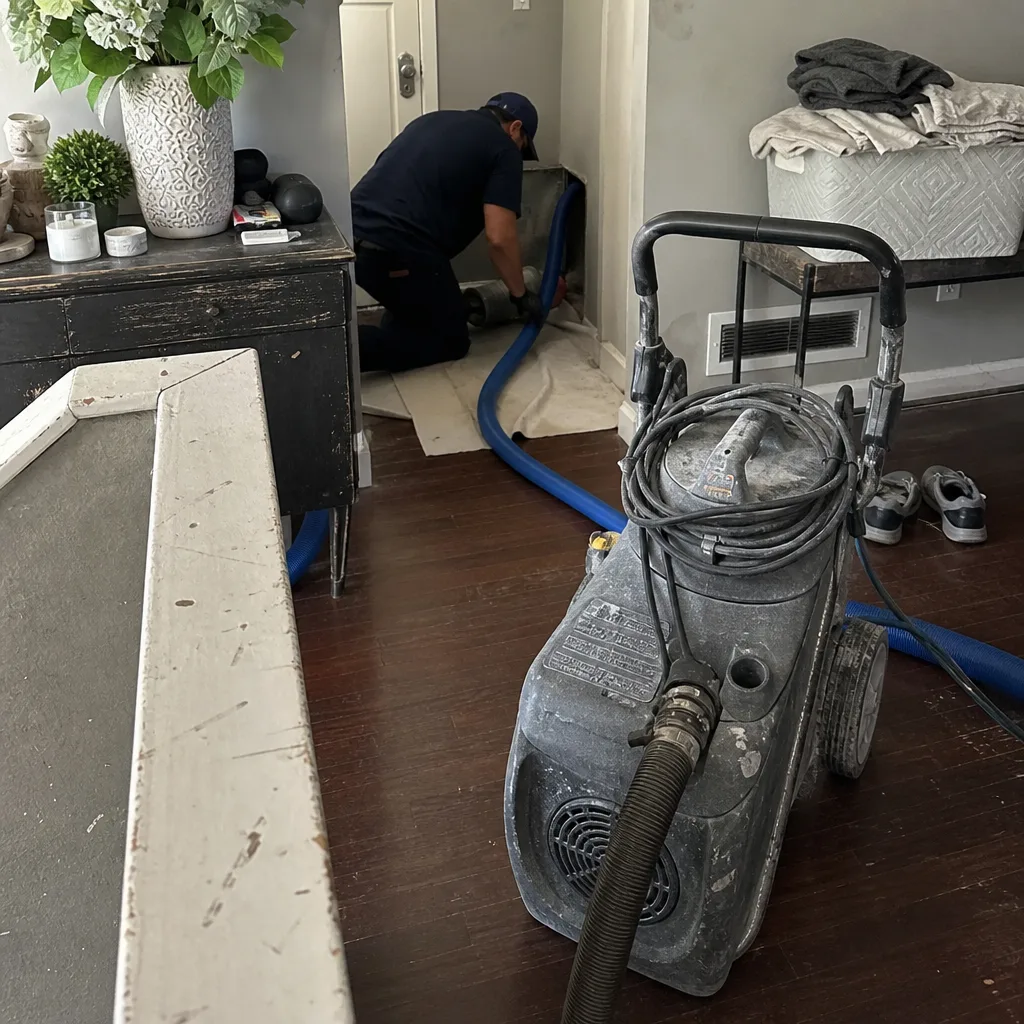 Before
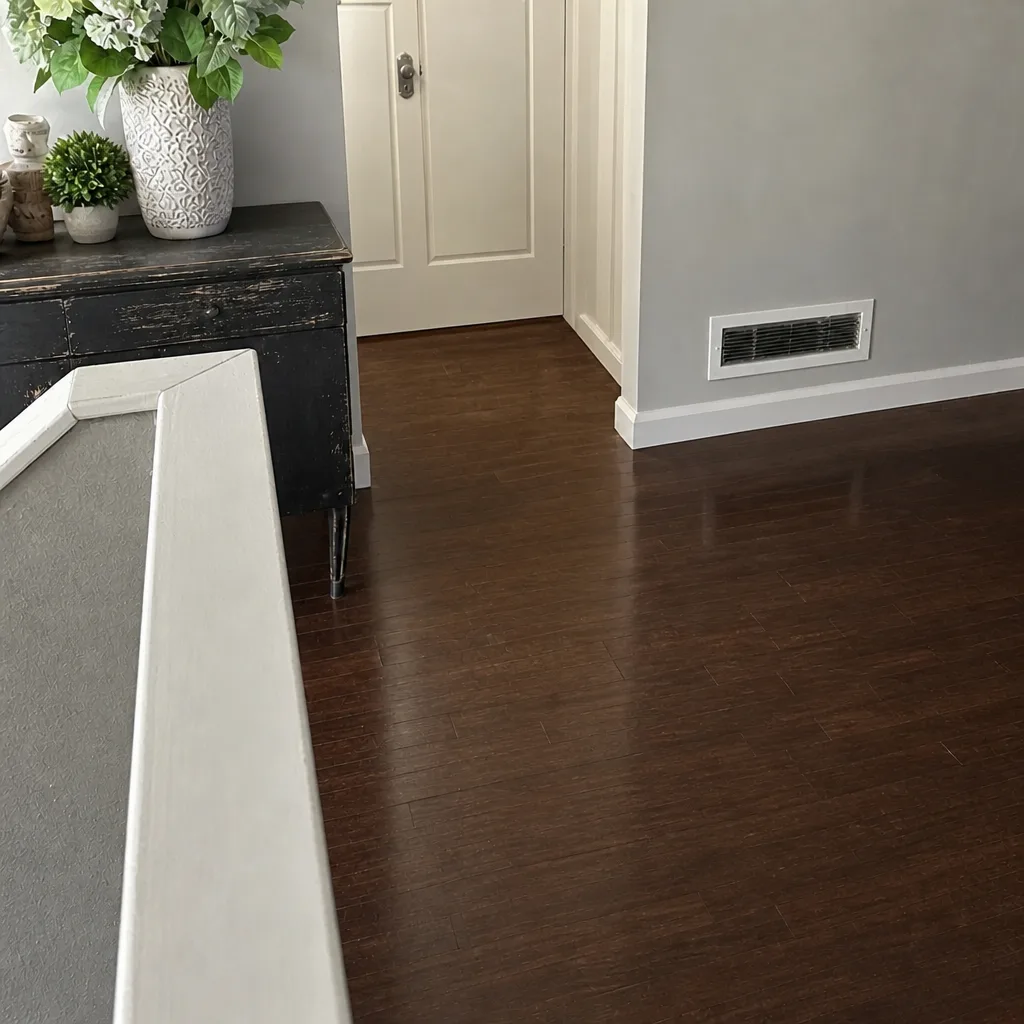 After
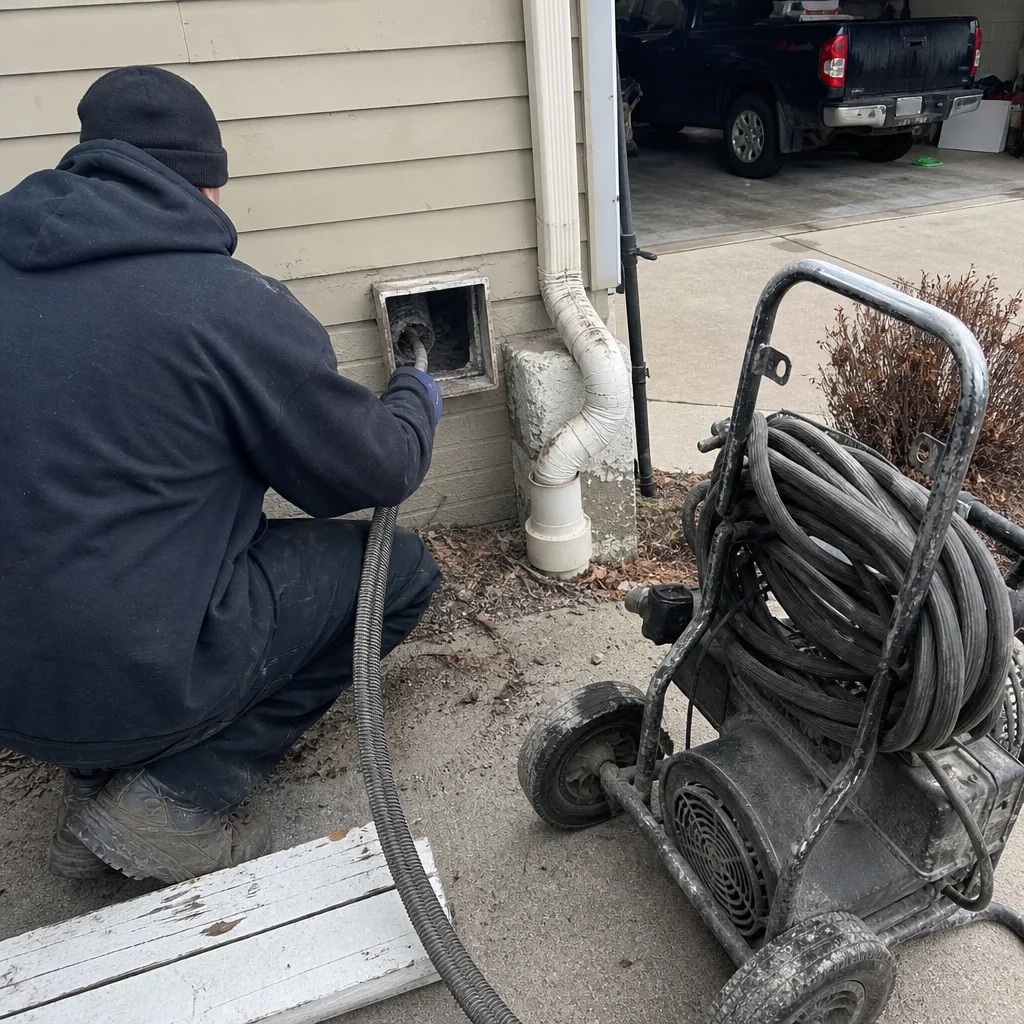 Before
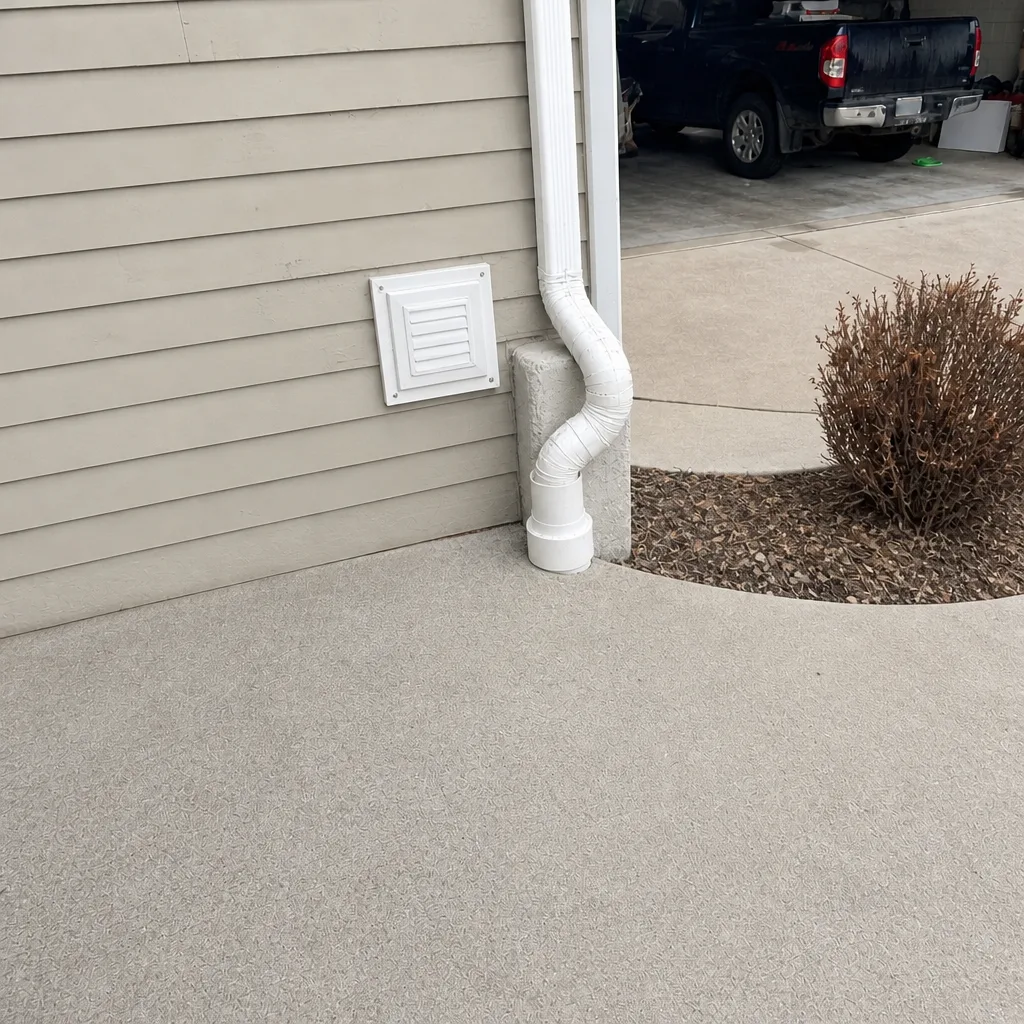 After
 Before
 After
When to Call a Professional
If you’ve noticed allergy or respiratory symptoms that seem worse indoors, a musty or dusty odor when the HVAC kicks on, or reduced airflow from your registers, those are common signs it’s time for an inspection. If you can’t remember the last time the ducts were cleaned, or if a recent remodel sent drywall dust through the system, that’s another good trigger. Visible debris around the registers, a system that seems to run longer than it used to, or a dryer that takes more than one cycle to dry a load all point in the same direction. The dryer vent is worth a call on its own, since it’s a safety matter rather than a comfort one. Air Duct Cleaning Lakewood Pros offers free estimates in Lakewood, and the local pro we connect you with is licensed and insured as their state requires. Call (844) 625-7378 to schedule an inspection.
Frequently Asked Questions
Air duct cleaning in Lakewood is priced per system, not per vent, so the honest answer is that cost depends on the size of the home, the type of ductwork, and whether repair, sealing, or sanitizing is included. The reliable way to know is a free estimate with a flat price per system in writing before work begins. Call (844) 625-7378 for an exact quote – estimates are free.
Cheap quotes are usually cheaper because they’re doing a different, smaller job – surface cleaning of the registers rather than full source-removal cleaning with negative pressure and contact agitation. A per-vent teaser price can also be the start of a bait-and-switch invoice once the technician is on site. The defense is a flat price per system, agreed in writing before any work starts. Call (844) 625-7378 to get a straight number for your Lakewood home.
Ask for before-and-after photos of your own ducts, not stock images. A crew using professional equipment like Rotobrush contact-cleaning systems and Nikro negative-pressure units can show you what changed inside your actual runs. The negative-pressure machine, the agitation tools, and the on-site air filtration are all visible on the job. Call (844) 625-7378 to schedule a cleaning and see the process for yourself.
There’s no single calendar answer that fits every Lakewood home, and anyone who tells you otherwise is guessing. In our dry, high-elevation climate with long HVAC run times, most homes benefit from an inspection every few years, and the schedule should depend on what the inspection finds: pets, recent remodels, allergy symptoms, and older duct systems all change the timeline. Call (844) 625-7378 to book an inspection and get a recommendation based on your system, not a fixed sales pitch.
Removing accumulated dust, dander, and debris from the ducts reduces the material that can be stirred back into the air when the system runs, which many people with allergies notice. It works best when paired with sealing leaks, since a leaky system pulls contaminated air back in. The result depends on the home and the source of the symptoms, so an inspection is the right starting point. Call (844) 625-7378 to talk through your situation.
Yes – dryer vent cleaning can be part of the same visit, and it’s worth doing. Lint buildup in the vent run is a recognized residential fire risk and cuts dryer efficiency, so it makes sense to handle it alongside the duct cleaning. A single appointment can address multiple issues at once, which is useful for property managers and busy homeowners alike. Call (844) 625-7378 to schedule both.
The Bottom Line
A complete duct cleaning in Lakewood is more than a vacuum pass through the registers. It’s source-removal cleaning with professional equipment like Rotobrush and Nikro, negative pressure that holds the whole system under suction, and on-site filtration from Abatement Technologies to protect your living space. It’s also the steps most companies skip: sealing leaks and repairing compromised ductwork so a clean system stays clean, sanitizing where microbial growth or odor shows up, and handling the dryer vent as the safety service it is. The climate and housing stock in Lakewood make all of this more important, not less. Get a free estimate, ask for a flat price per system in writing, and ask to see before-and-after photos of your own ducts.
Ready to schedule? Call (844) 625-7378 for a free estimate. We answer 24/7. Fast dispatch from 7am to 7pm, Sunday through Friday. The local pro we connect you with is licensed and insured as their state requires, and the written estimate sets the final price.
Written by the team at Air Duct Cleaning Lakewood Pros.